
 Stock Analysis
 General
 Library

Growth is the path to building the biggest Nest Egg, but in retirement, I need INCOME!
I retired in 2017, but if I had followed the traditional 4% Rule, I’d still be working.
The math behind the 4% Rule is straightforward. To generate $5,000 per month from a portfolio by withdrawing 4% annually, you’d need roughly $1.5 million invested.
An income portfolio yielding 8% can generate the same income with about half that amount.
That difference completely changed how I approached retirement.
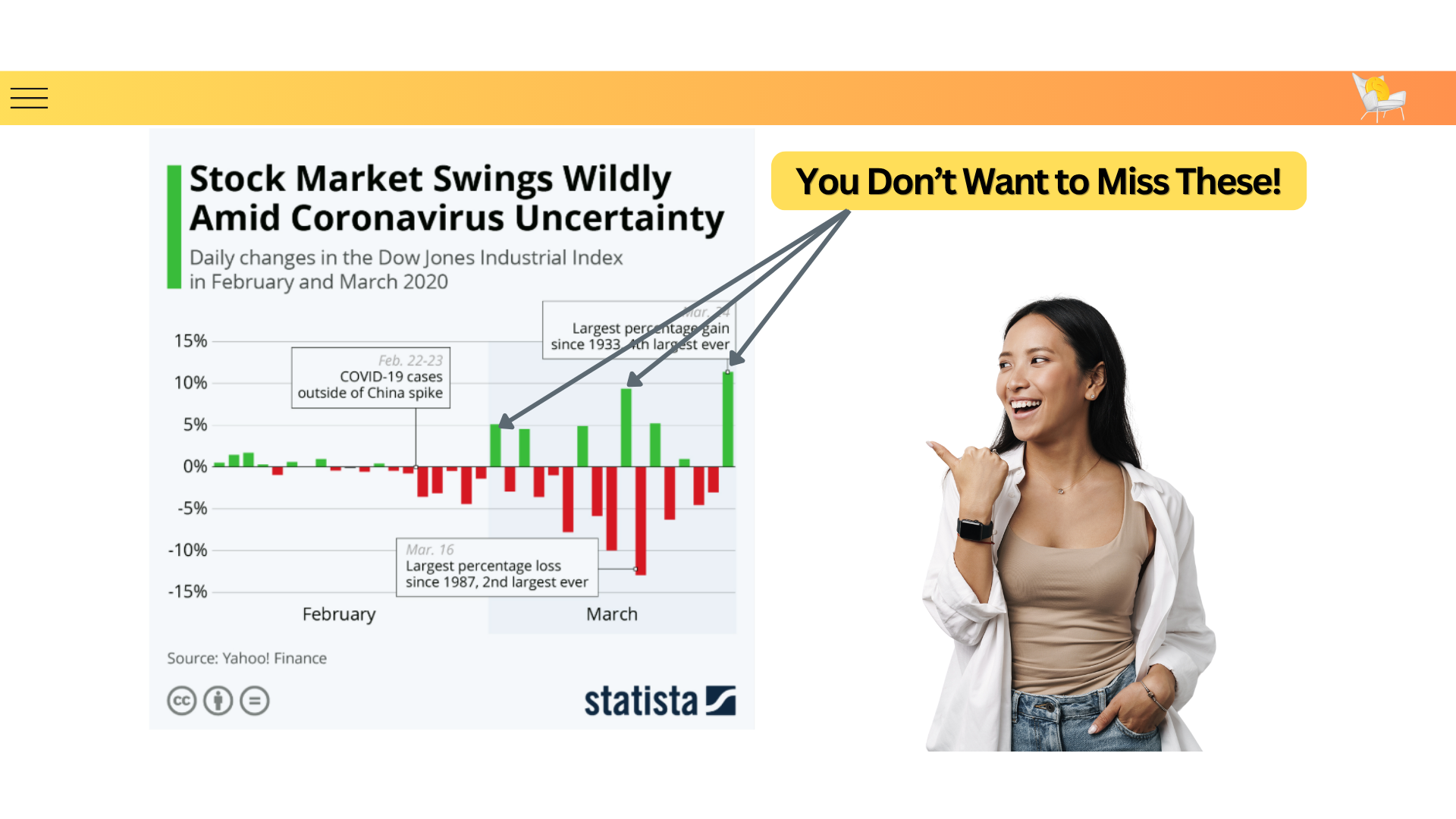
If you retire into a major market correction, suddenly selling shares for income becomes stressful. Imagine retiring in early 2022 and watching your portfolio drop 25% within months. Even if the market eventually recovers, living through that decline while selling assets to pay bills would be difficult.
That pushed me toward an income-focused portfolio instead.
The 8% Rule
My approach is simple:
Build a diversified portfolio of income-producing assets that generates enough cash flow to:
Pay me roughly 11% annually, of which I spend approx 8%
Reinvest excess income to help offset inflation
This isn’t an academic formula or an official retirement framework. It’s simply what I’ve personally used for the past eight and a half years.
Does the Income Grow?
Some investments naturally grow distributions over time.
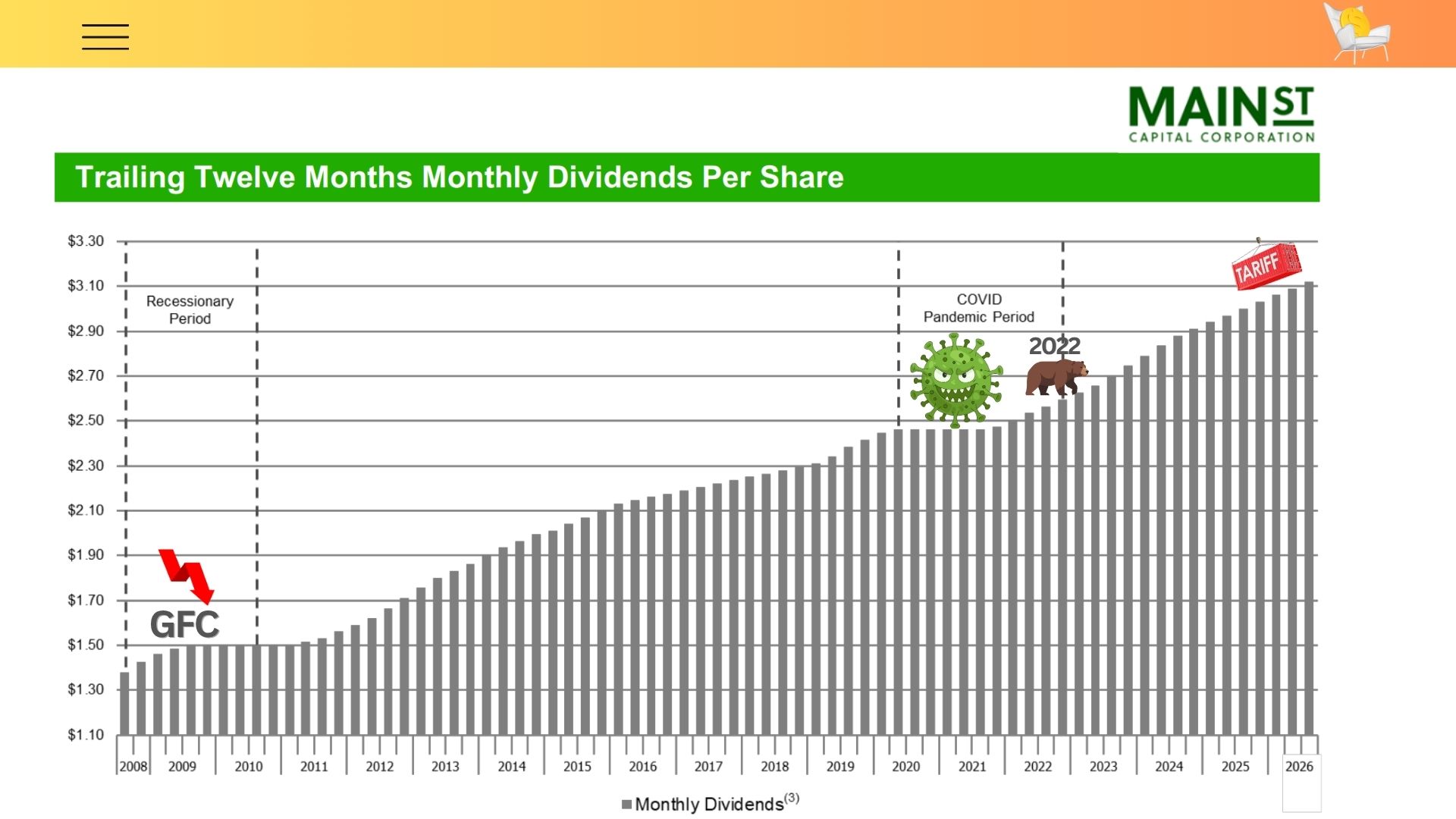
MAIN Street Capital is one example. The BDC currently yields over 8% and has a long history of increasing dividends.
Another approach is reinvesting part of the income.
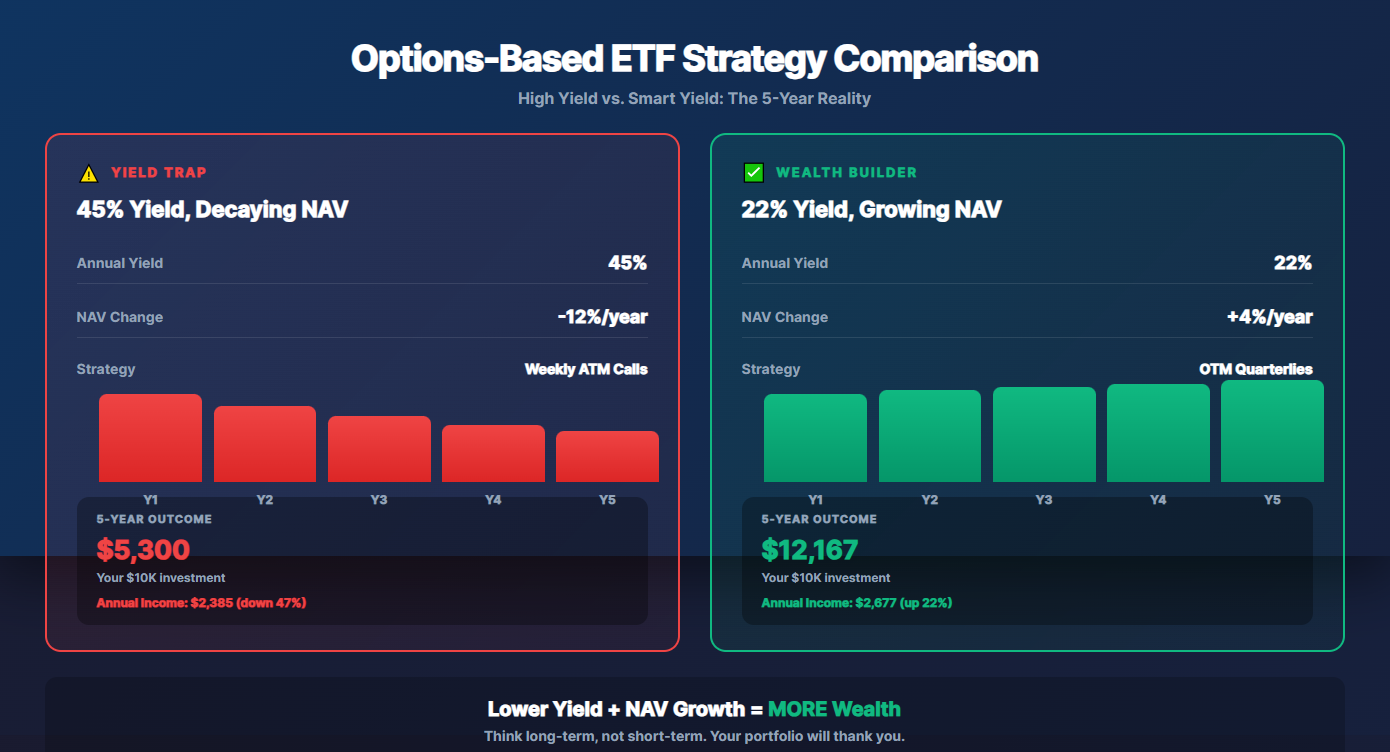
For example, SPYI currently yields over 11%. If you spend 8% and reinvest the remaining income, your portfolio income can continue compounding.
Covered Call Funds
Covered call funds have become one of the most important parts of my portfolio.
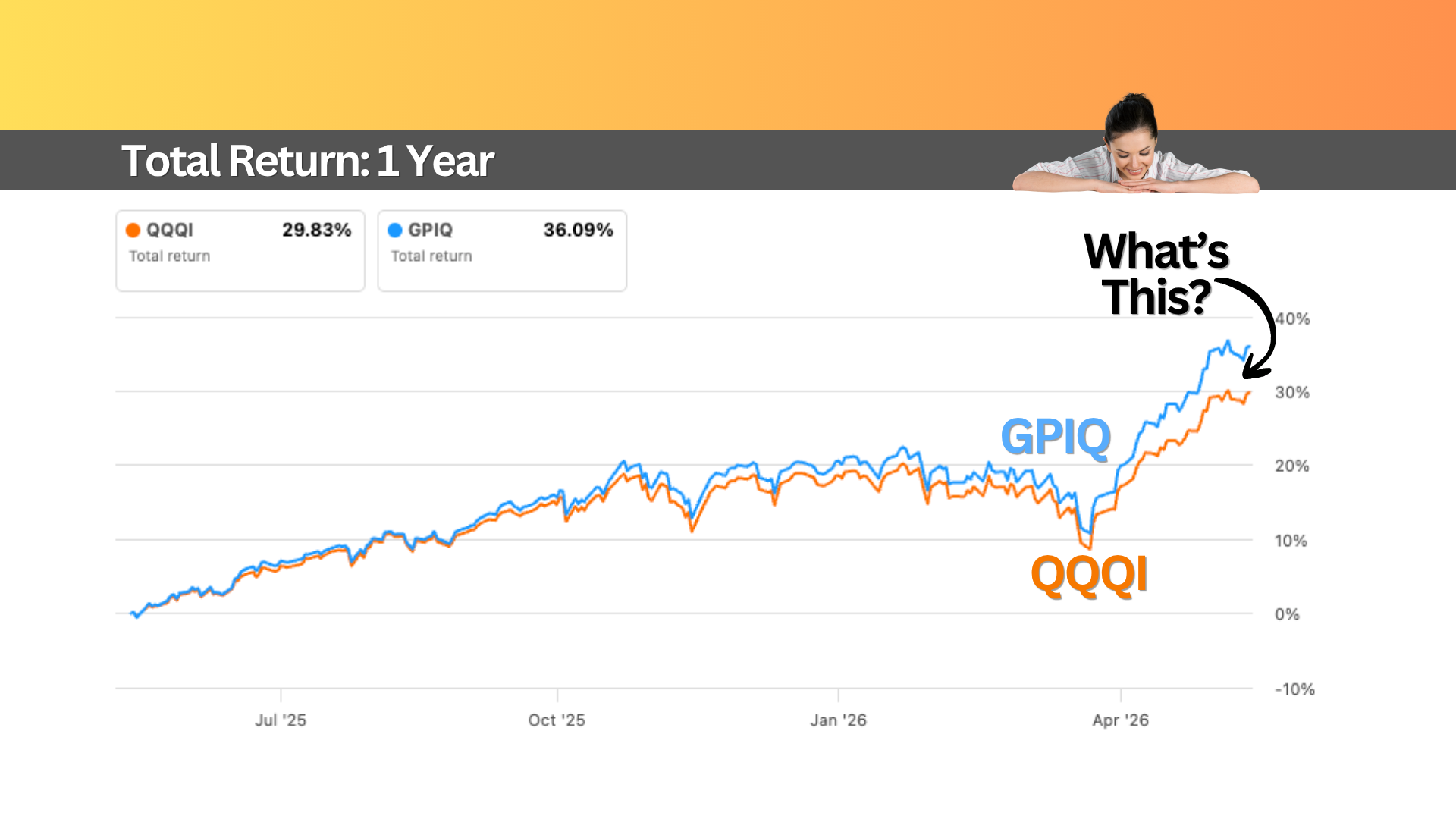
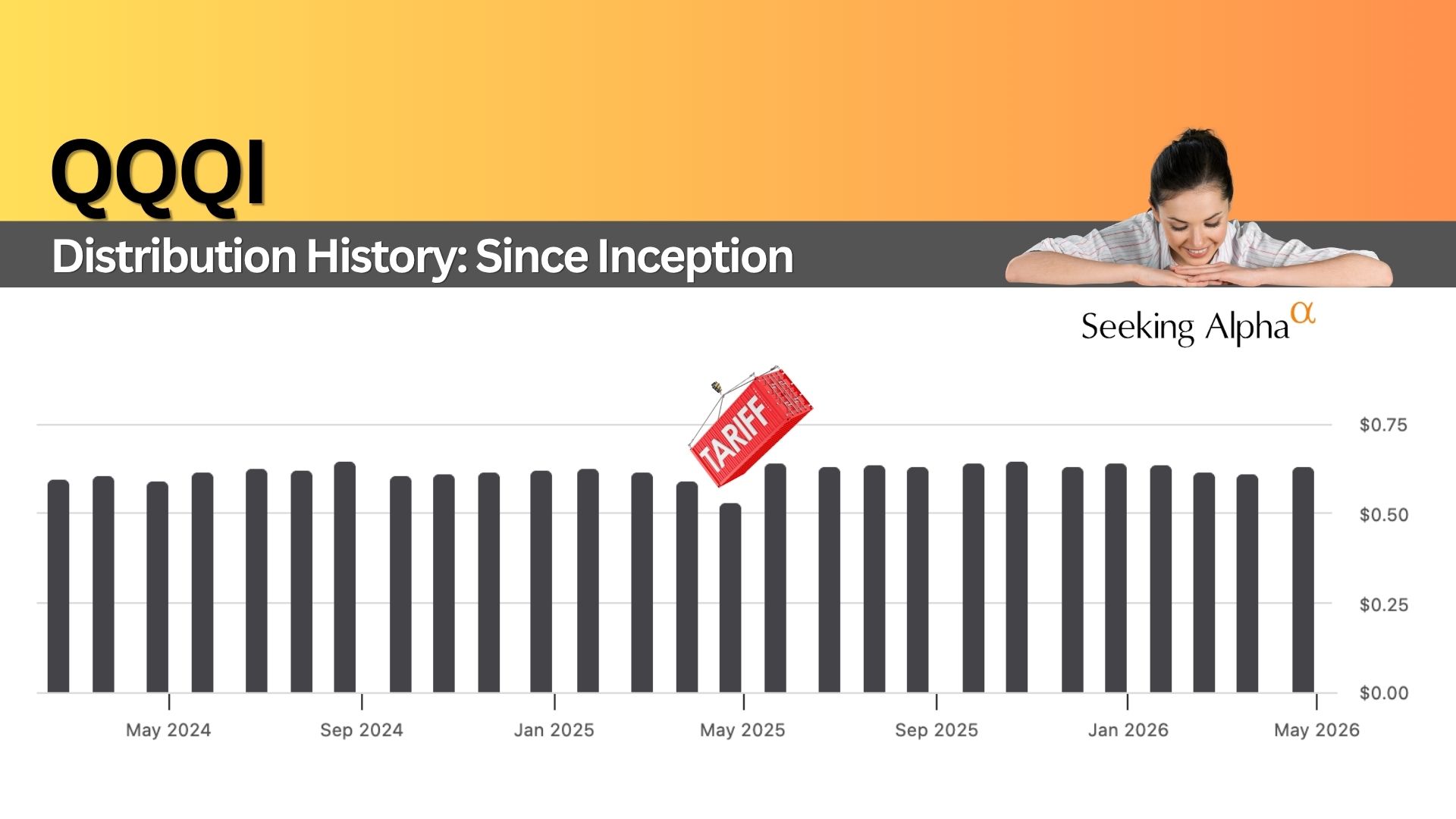
Funds like QQQI generate income by selling call options on indexes like the Nasdaq-100. The tradeoff is simple: you give up some upside during strong bull markets in exchange for regular monthly income.
These funds often perform better during flat or declining markets because the option premiums continue generating cash flow.
BDCs, Preferred Shares & Midstreams
Business Development Companies (BDCs), preferred shares, corporate bonds, and energy midstreams are other major income categories.
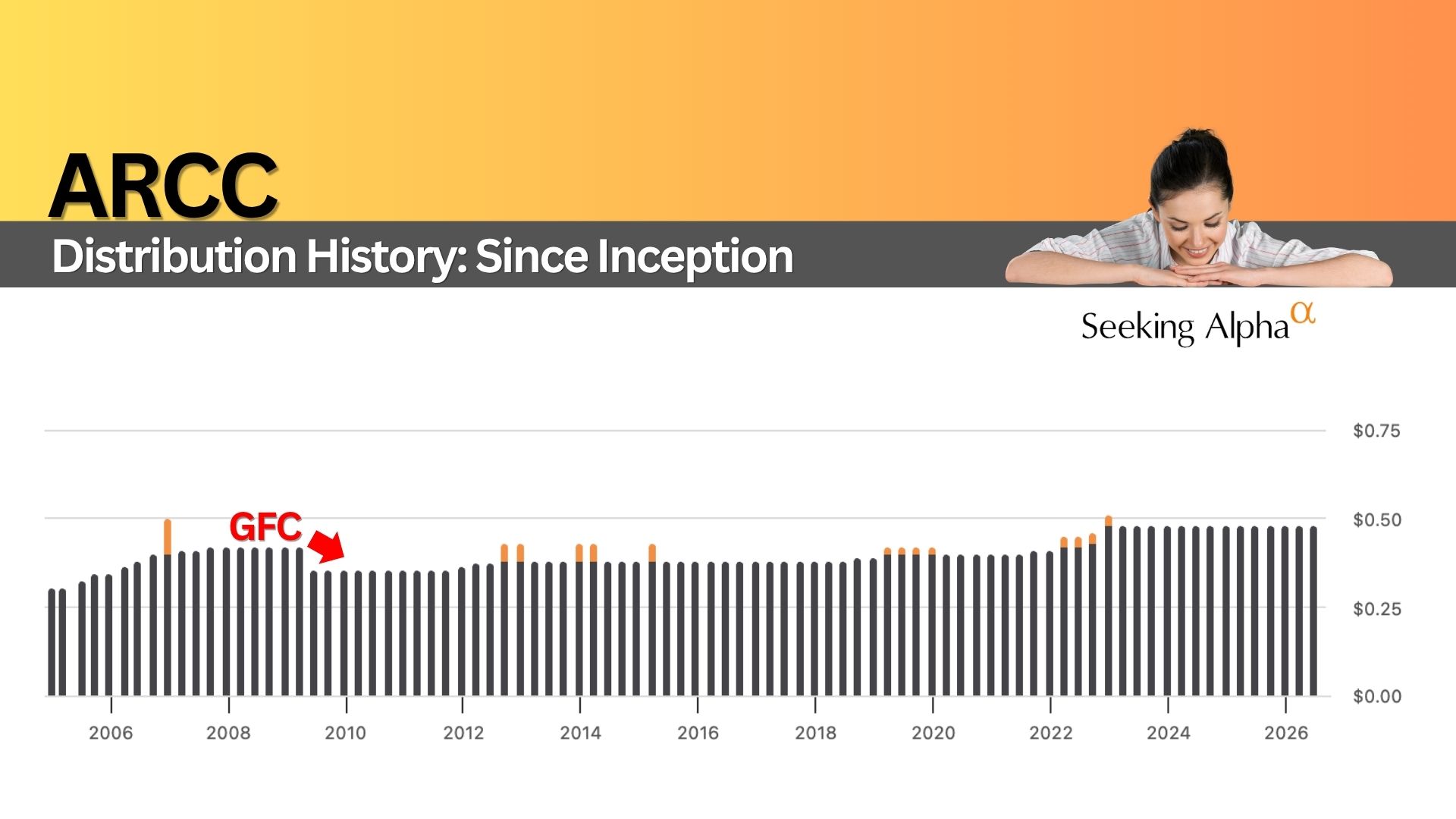
ARCC, one of the largest BDCs, currently yields around 10% and has maintained a relatively resilient dividend history since 2004.
Preferred shares offer lower volatility than common stocks while generating strong income. Meanwhile, midstream energy investments generate cash flow from transporting and storing oil and gas rather than directly producing it.
CEFs & Diversification
Closed-end funds can also play a role.
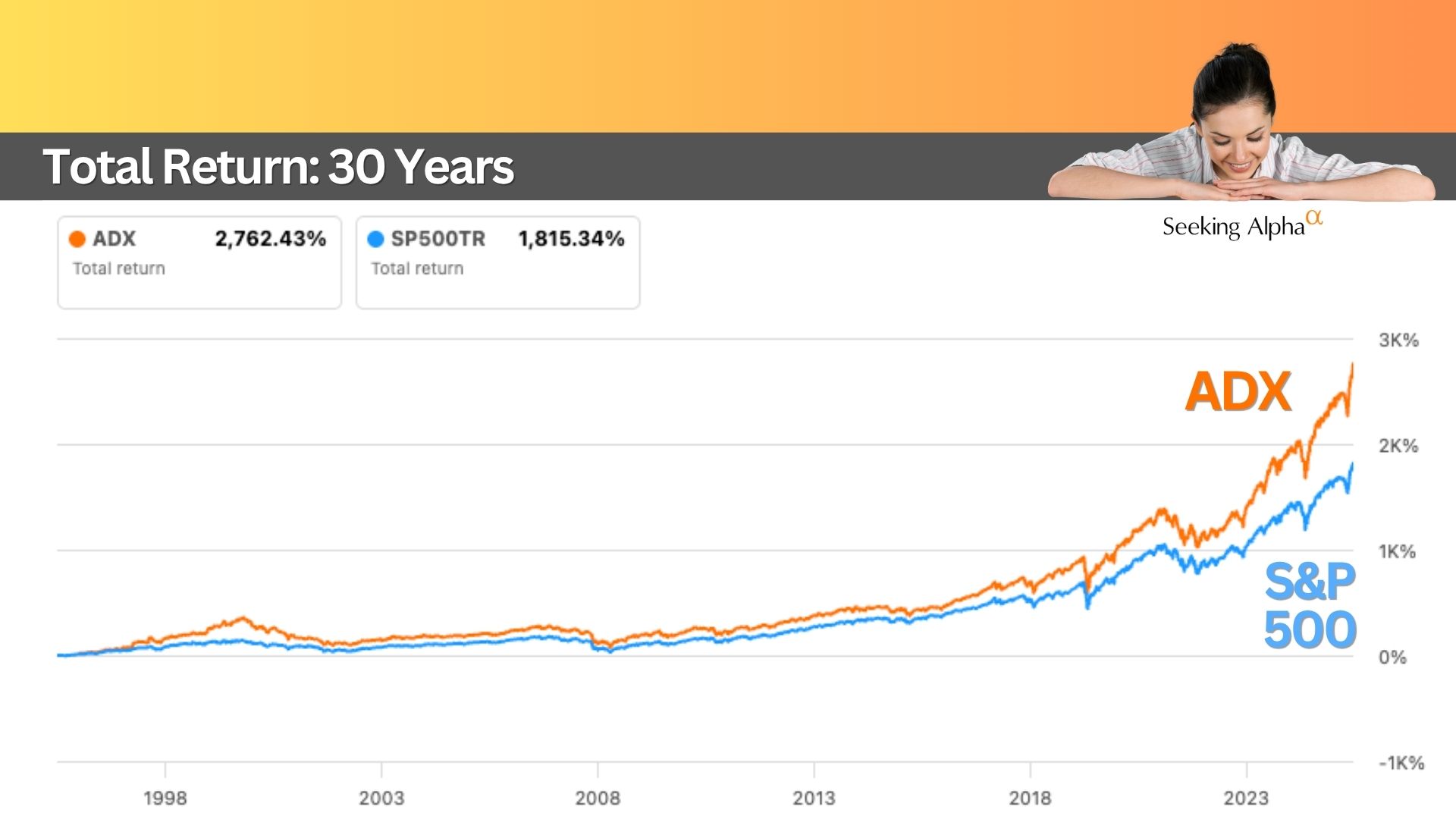
Unlike ETFs, many CEFs trade at discounts or premiums to their asset value, creating additional opportunities for income investors. ADX is one example I currently hold because of its strong long-term total return history.
Diversification matters because every income category has different risks. I typically hold 30–40 positions with no single holding above 5%.
My Take
I’m not saying the 8% approach is the best option for everybody.
Growth investing remains incredibly powerful, especially during accumulation years.
But for me, retirement changed the goal.
Instead of maximizing portfolio size, I optimized for earlier retirement, income consistency, and less emotional stress during market downturns.
Eight and a half years later, I can confidently say this approach works for me.
To learn more, click here for the full Review.
Want to see how these funds fit into a real-world retirement strategy? I share my full portfolio and monthly updates for free, here: Armchair Insider. If you want to learn from other Income Investors (I do!), check out the Armchair Insider Lounge.