
 Stock Analysis
 General
 Library
What’s not to love about covered call funds?
A 14% yield from the Nasdaq. Around 15% from gold. Roughly 10% from real estate. These funds offer high income, monthly distributions, and exposure to assets that many investors already want to own.
The basic idea is simple. A fund owns an appreciating asset, then sells call options against it. That option income is collected and distributed to shareholders. Funds like QQQI, GPIQ, KGLD, IDVO, and IYRI apply this strategy across different asset classes, which makes covered call funds useful for both income and diversification.
That’s why I own several of them. But they still make up less than half my portfolio.
What’s the Downside?
The most common criticism is that covered call funds usually underperform their underlying asset.
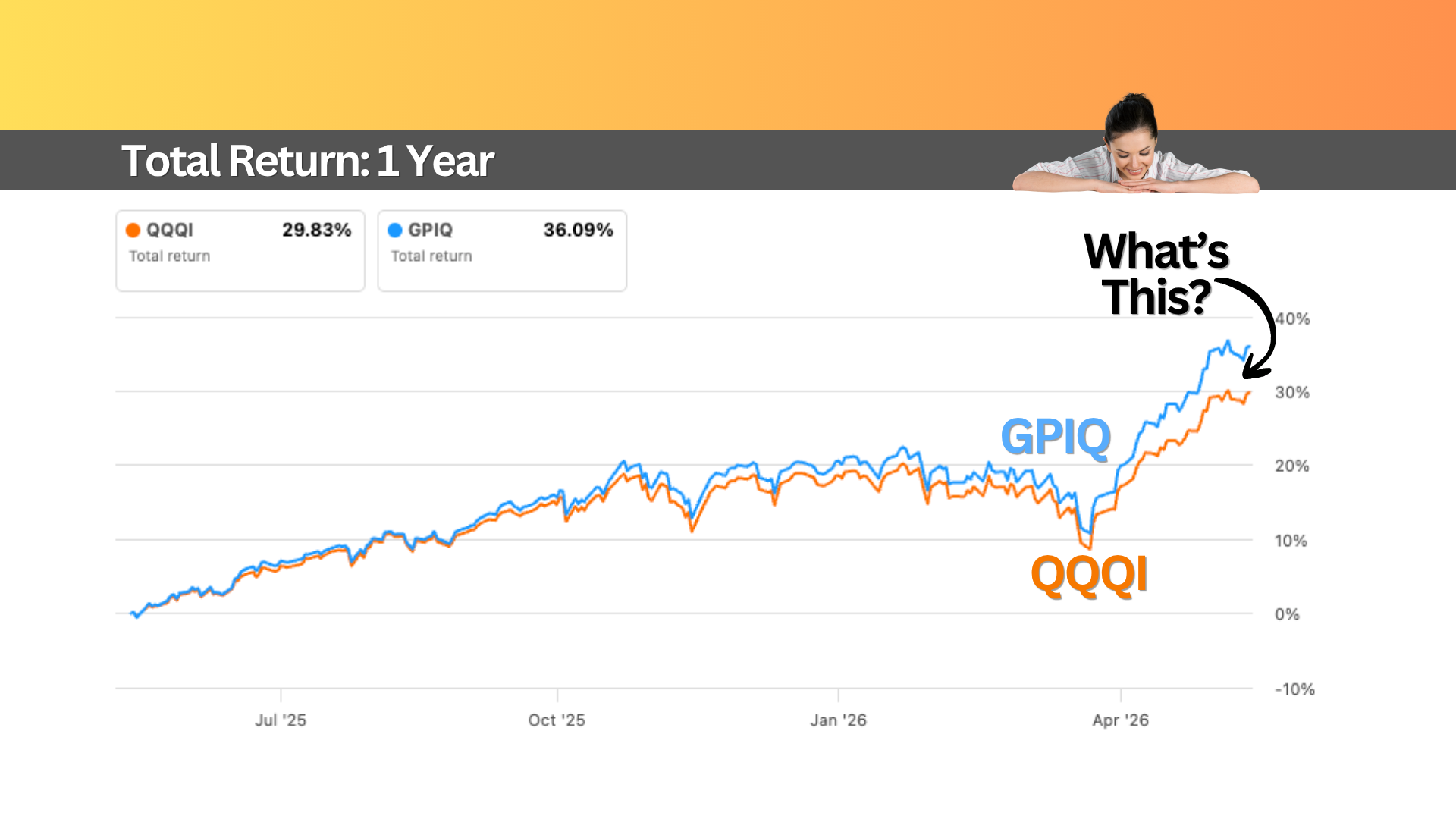
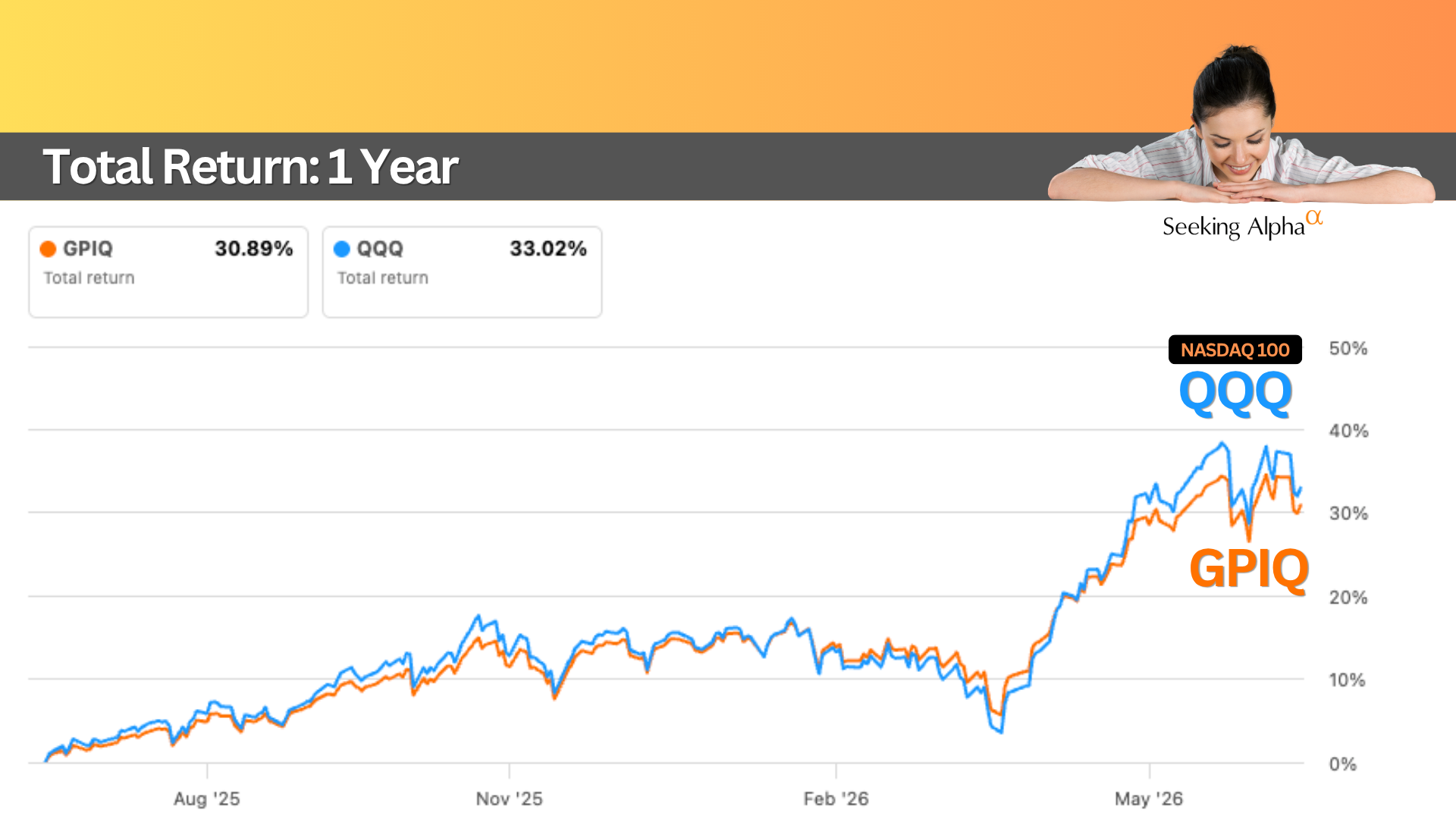
That is often true, but it is not always a dealbreaker. For example, GPIQ recently produced strong total returns while only modestly lagging the Nasdaq-100 during a very bullish year. For an income investor, that tradeoff may be acceptable if the fund is producing steady monthly cash flow.
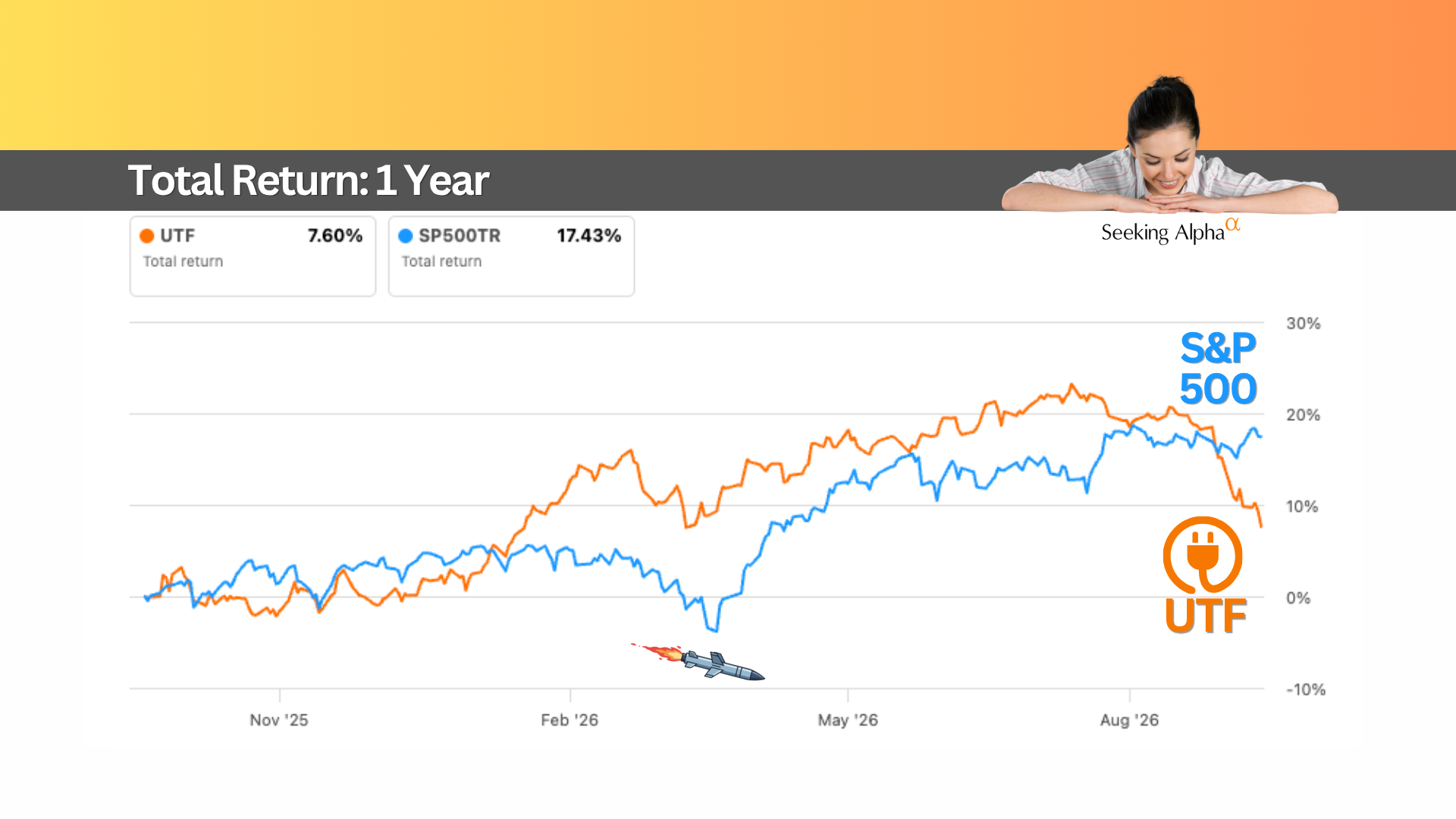
Some funds lag much more than others. QYLD, for example, has fallen much farther behind the Nasdaq over the same period. That is why fund selection matters.
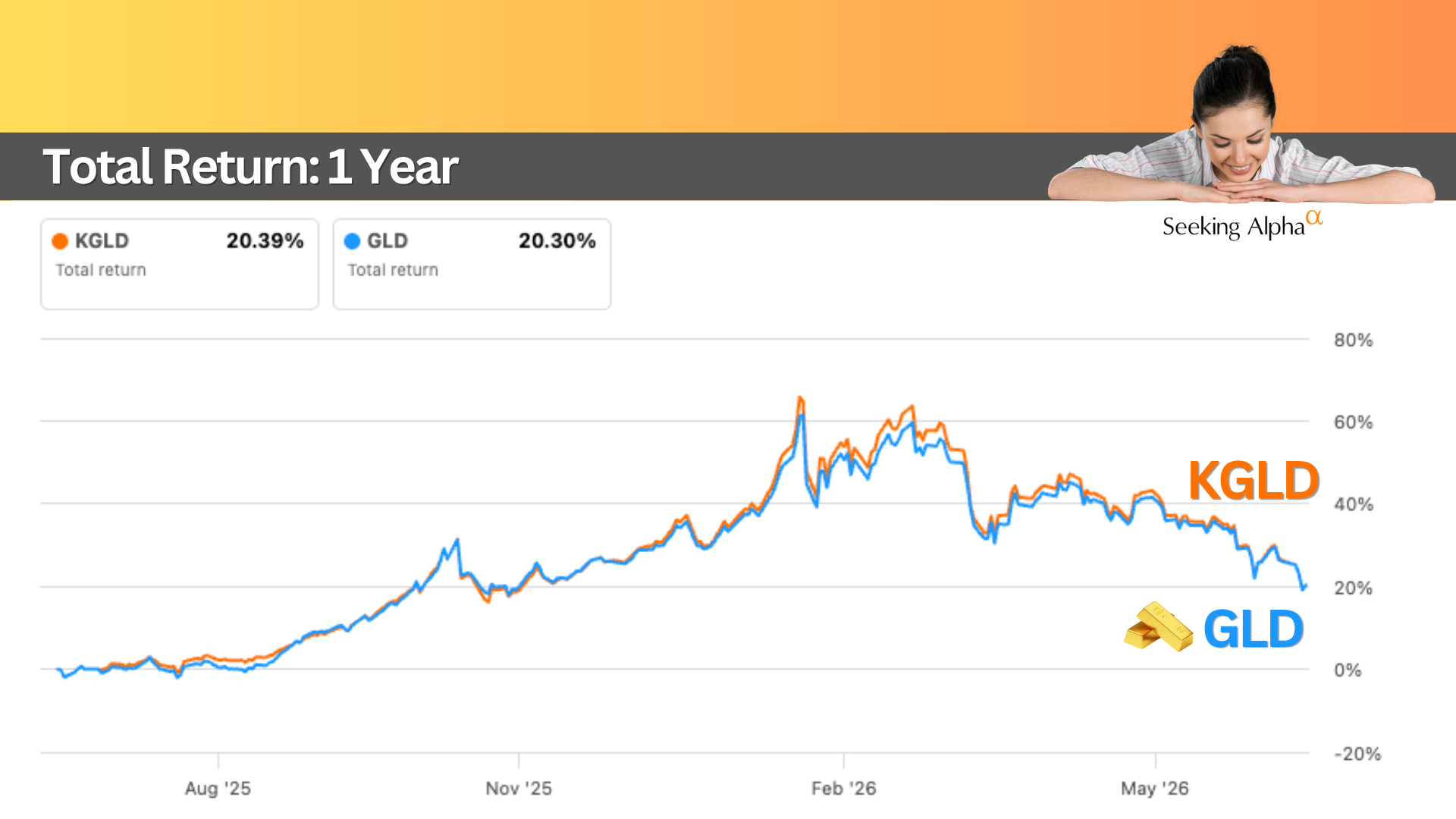
On the other hand, KGLD shows that underperformance is not always automatic. Over the past year, KGLD closely tracked GLD while producing gold-related income.
Why Income Can Fall
The bigger issue is that covered call fund income is tied to portfolio value.
If a fund owns $1 billion of assets, it can sell options against that asset base. If the portfolio falls to $500 million, the amount of option income it can generate also shrinks.
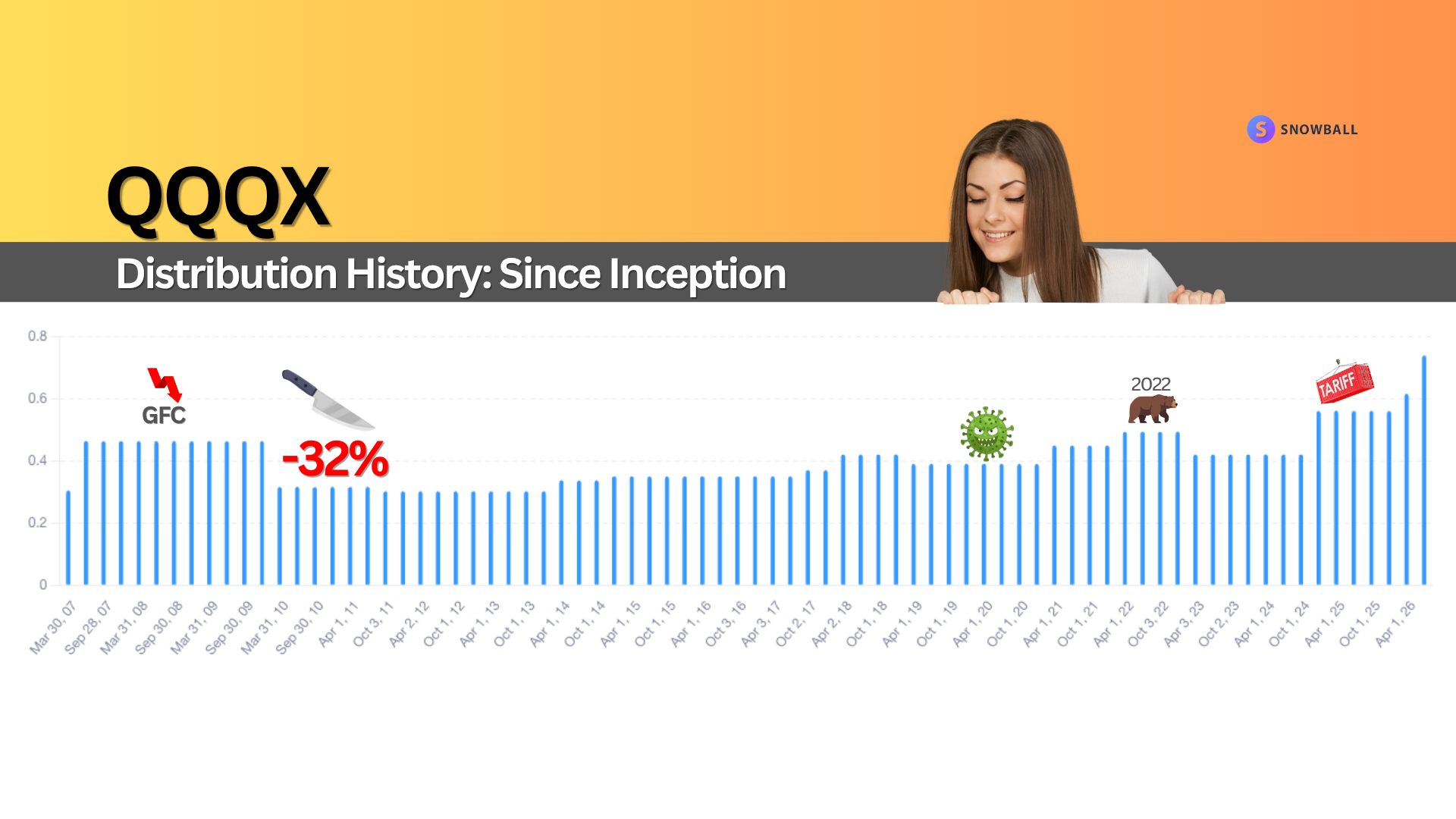
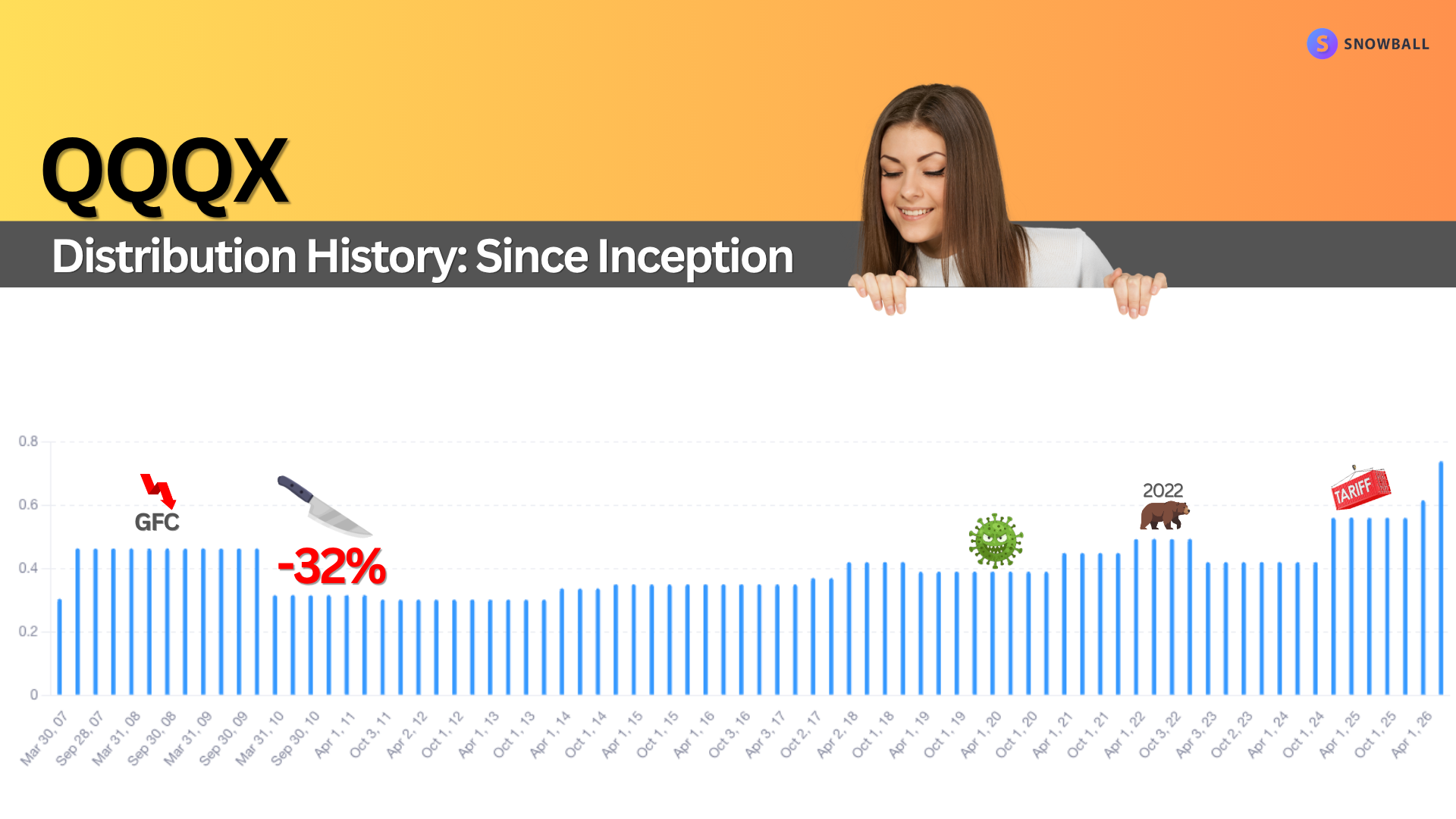
That is why severe bear markets can pressure distributions. QQQX is one of the few older covered call funds with history through the 2008 financial crisis. During that period, its distribution was cut by about 32%, and it took years to fully recover.
Why I Diversify Beyond Them
I want part of my income stream to be less dependent on stock market prices.
That is where other income investments come in: BDCs, preferred shares, corporate bonds, fixed-income CEFs, utilities, and funds that use different option strategies.
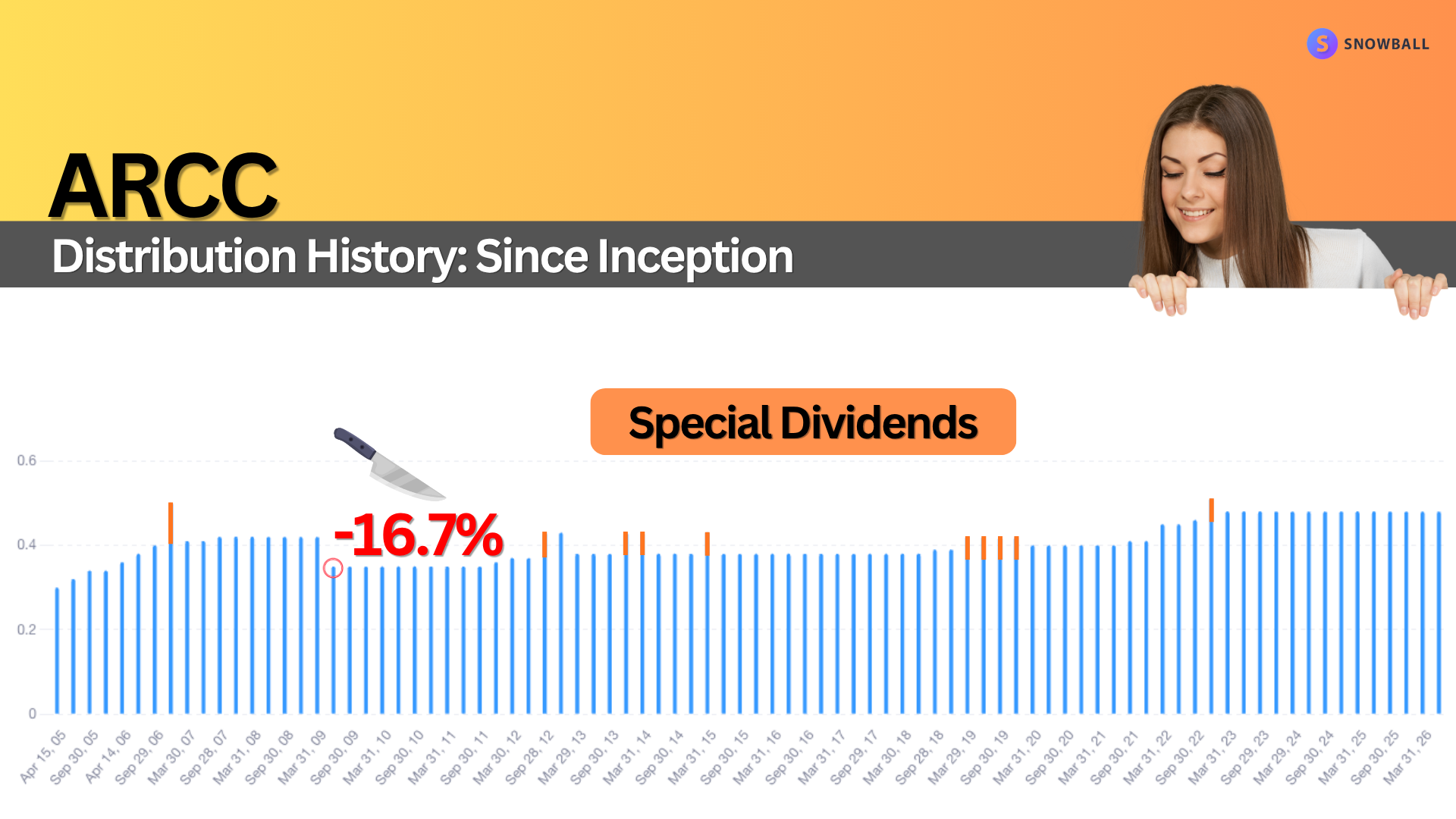
ARCC is a good example. Its price moves around, but the income stream has been much more durable over time. It did cut the regular dividend during the 2008 crisis, but by far less than QQQX, and the regular dividend has only increased since then.
My Take
Covered call funds are useful, and I own plenty of them.
They give me income from stocks, gold, silver, bitcoin, real estate, midstream energy, and international markets. But I do not want my entire retirement income stream tied to the value of assets that can fall sharply in a bear market.
You could build a retirement portfolio entirely around covered call funds. I just prefer a mix.
For me, covered call funds are one important tool—not the whole toolbox.
To learn more, click here for the full Review.
Want to see how these funds fit into a real-world retirement strategy? I share my full portfolio and monthly updates for free, here: Armchair Insider. If you want to learn from other Income Investors (I do!), check out the Armchair Insider Lounge.