
 Stock Analysis
 General
 Library
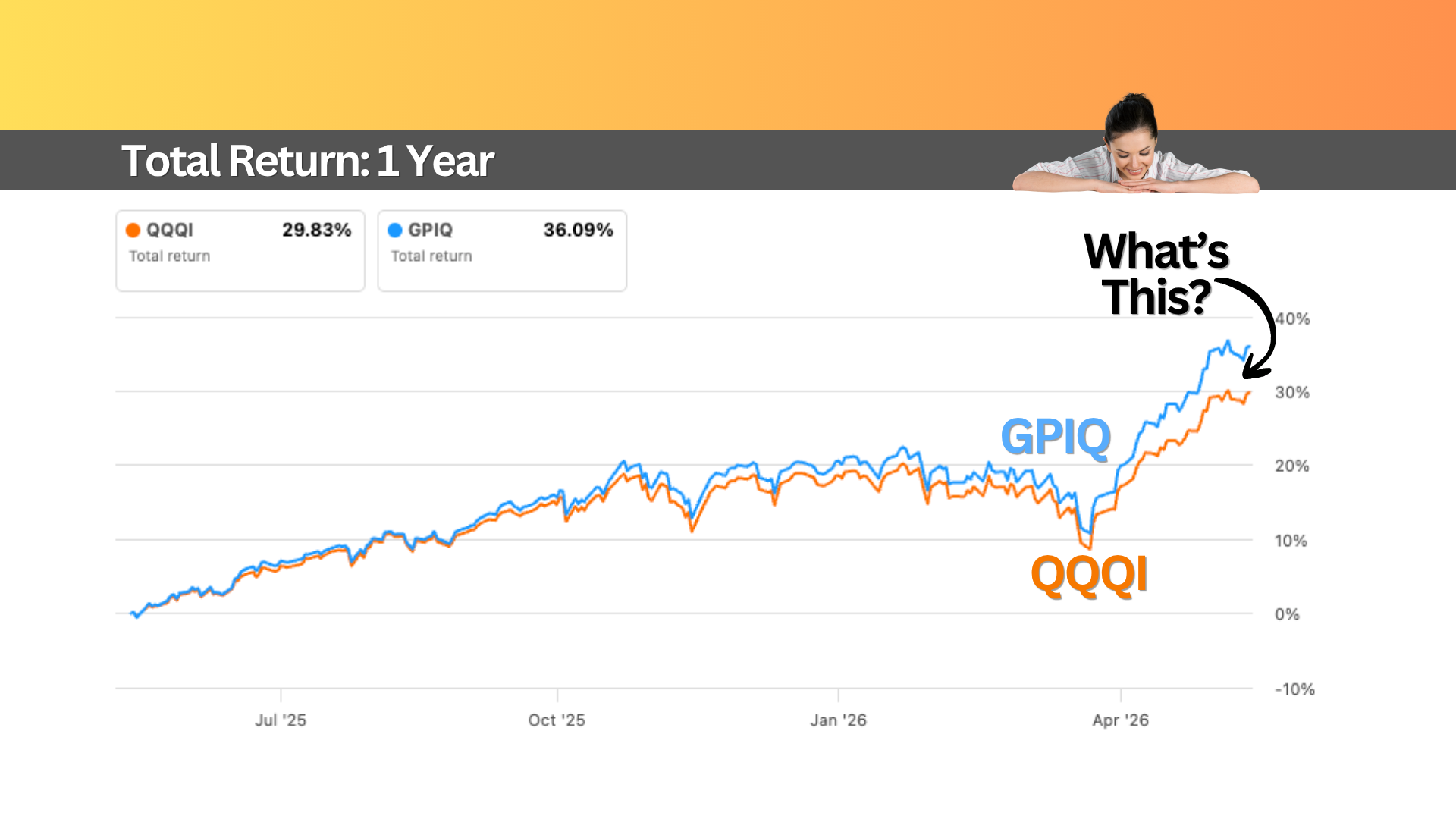
Two covered call funds. Two Nasdaq-100 strategies. Two funds designed to generate consistent monthly income.
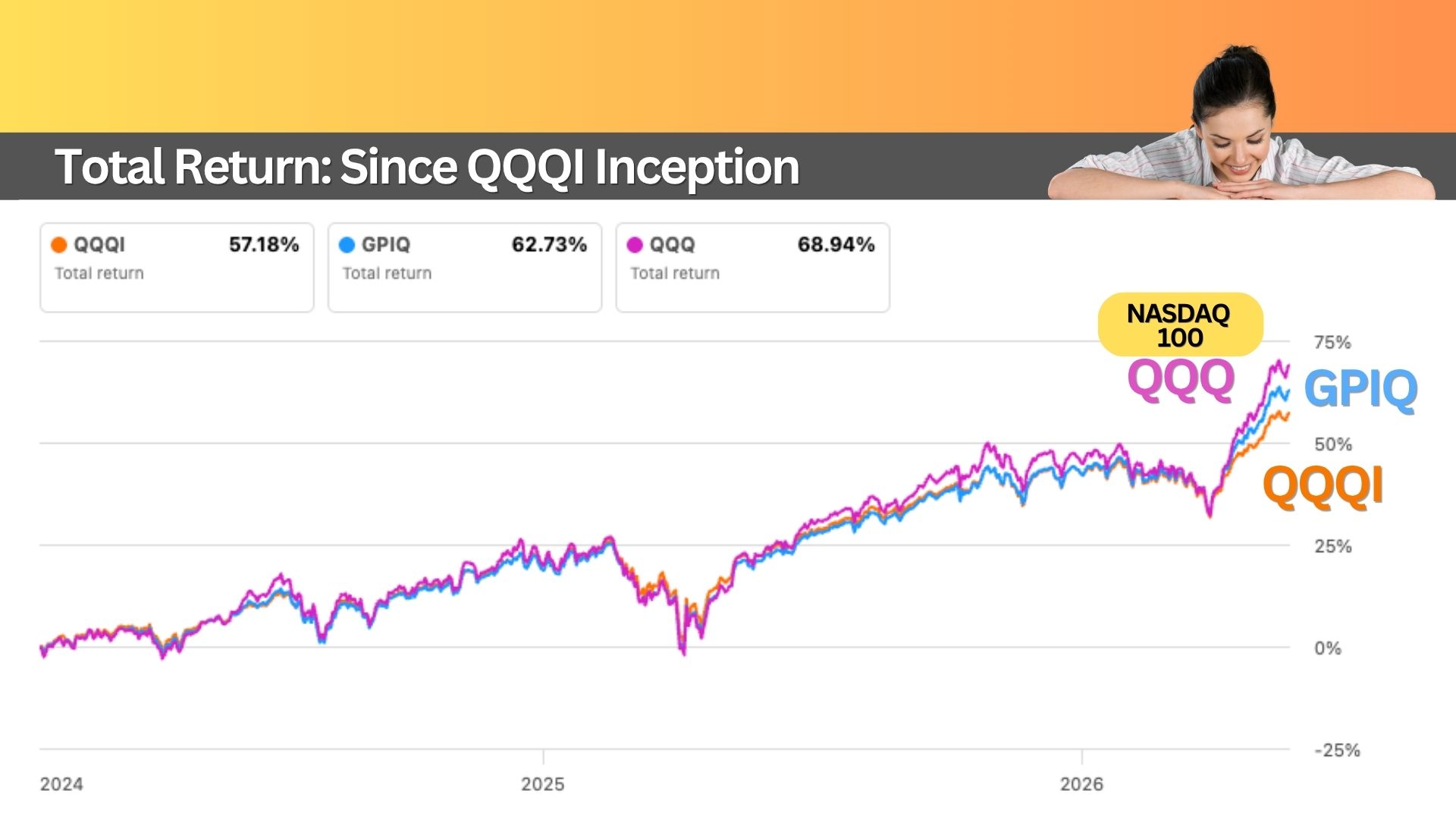
For most of 2024 and 2025, there was virtually no difference between them.
Then something changed.
Recently, Goldman Sachs’ GPIQ began pulling ahead of NEOS’ QQQI in total return. The gap isn’t enormous, but a 6% advantage over a single year is enough to make income investors pay attention.
If you're choosing between these two popular Nasdaq income funds, it’s worth understanding why that gap emerged.
Distribution History
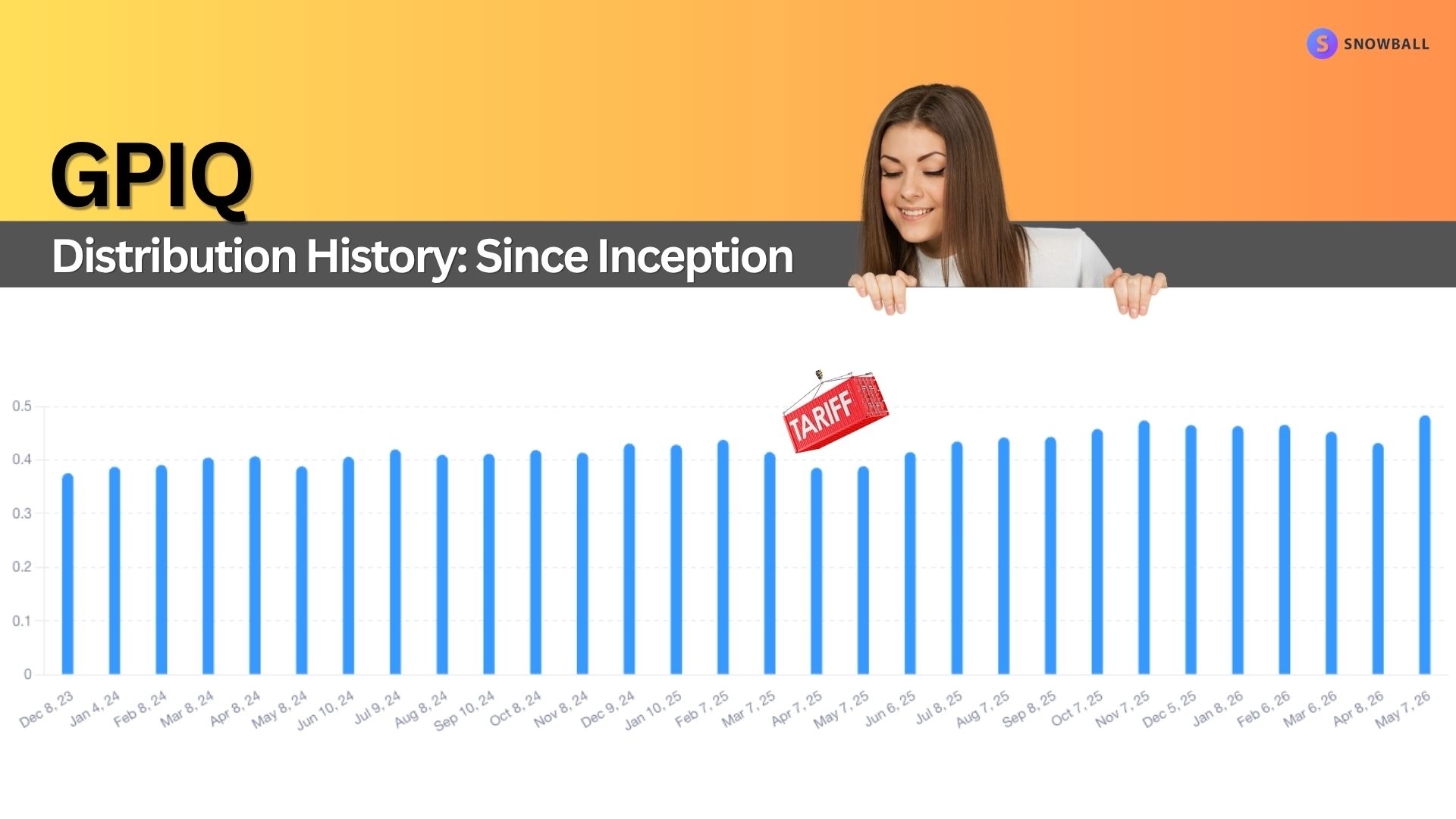
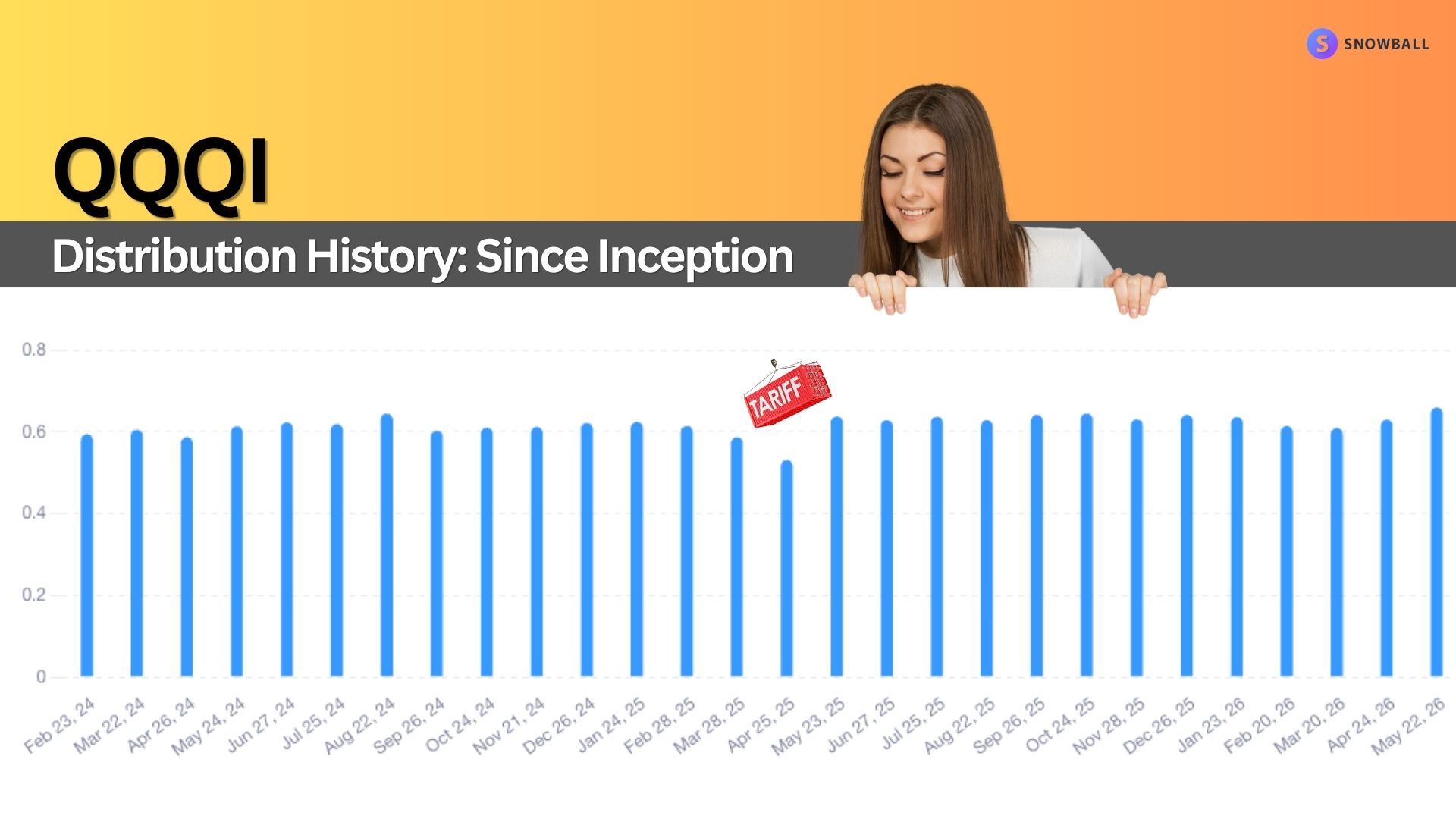
Both funds have one thing income investors appreciate: consistency.
While distributions dipped briefly during the April 2025 tariff selloff, both funds recovered quickly. In fact, QQQI paid one of its highest distributions immediately after the correction.
Compared to JEPQ, both funds also offer more tax-efficient distributions through Return of Capital treatment, while maintaining competitive yields.
For investors focused primarily on income, there is very little separating QQQI and GPIQ from a distribution standpoint.
Why Has GPIQ Pulled Ahead?
The first explanation is fees.
GPIQ charges just 0.29%, compared to QQQI's 0.68%. That difference alone isn't enough to explain the recent divergence, but it does provide a modest performance advantage over time.
The second factor is yield.
QQQI currently yields roughly 40% more than GPIQ. Higher distributions mean less capital remains inside the fund to compound, which naturally favors GPIQ during strong market environments.
But the biggest differences come from portfolio construction and option management.
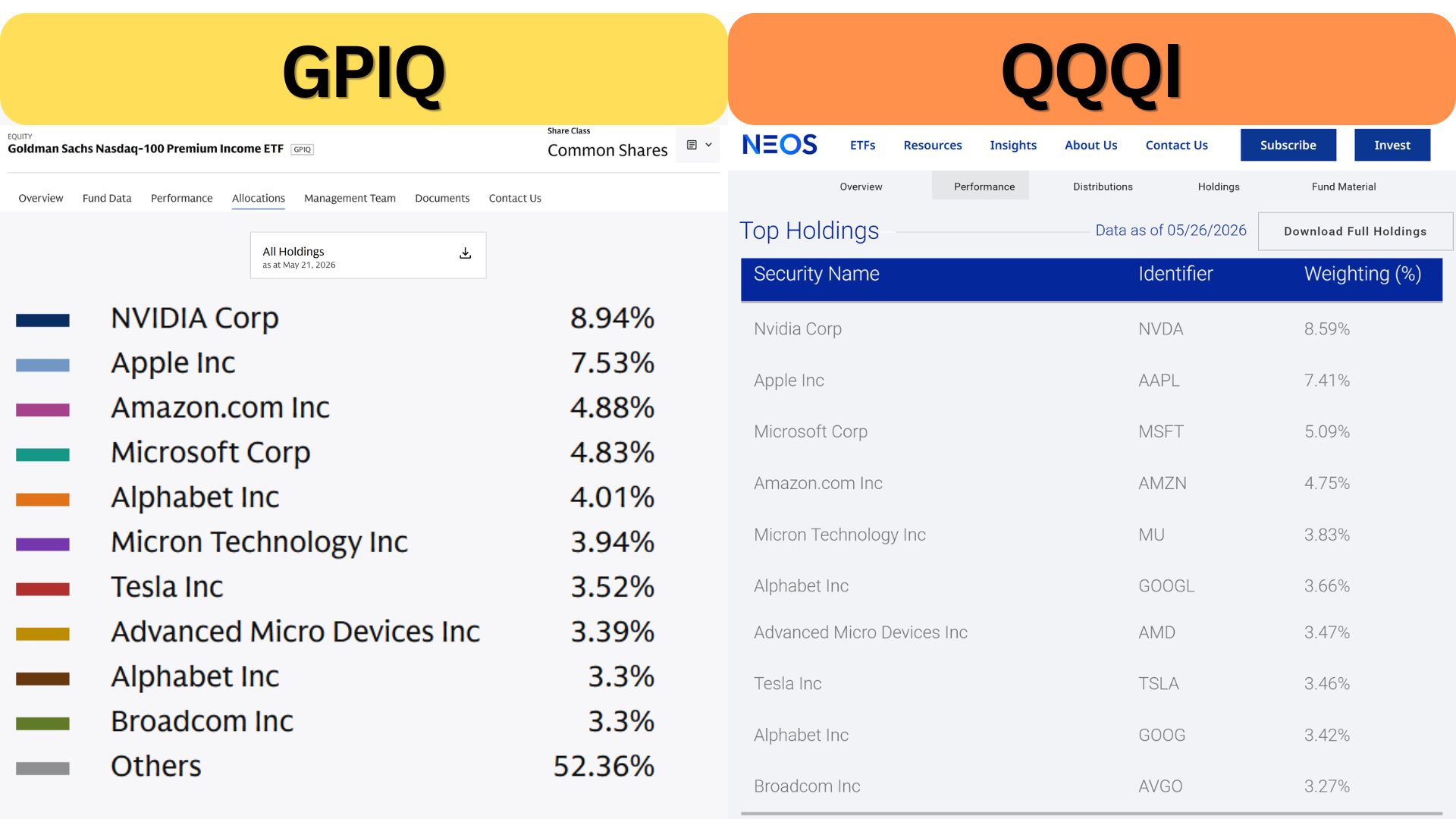
Although both funds track the Nasdaq-100, their holdings are not identical. Small differences in allocations to Nvidia, Apple, and Microsoft created meaningful performance differences during recent market rallies.
The Most Important Difference: Option Coverage
The biggest factor is likely the option strategy itself.
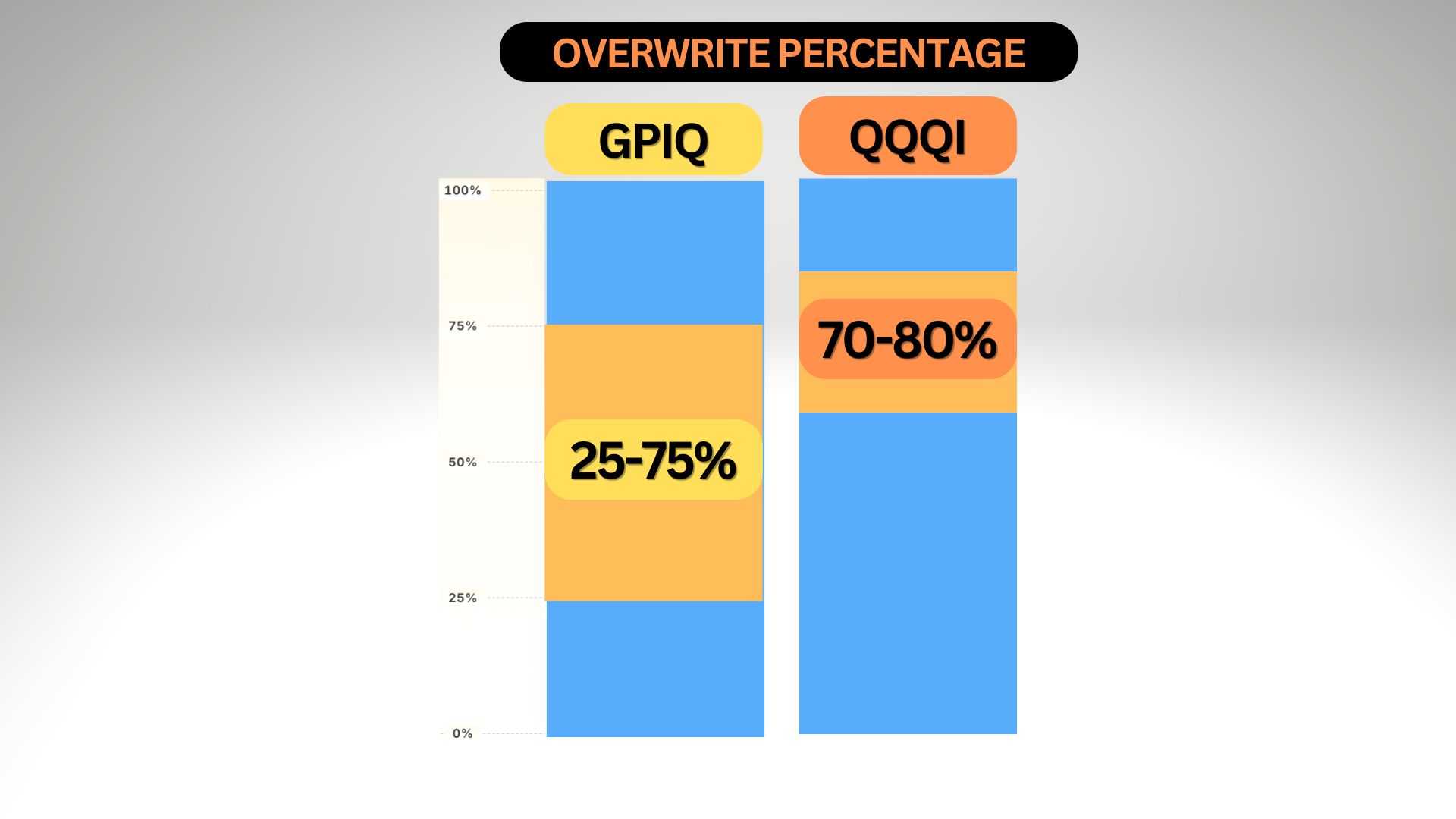
Covered call funds generate income by selling call options against a portion of their portfolios. The higher the percentage covered by options, the more income investors receive—but the less upside remains available during bull markets.
QQQI typically operates with a higher overwrite percentage, which helps explain its larger yield.
GPIQ generally leaves more of its portfolio uncovered, allowing greater participation when technology stocks rally strongly.
That tradeoff appears to have favored GPIQ during the current market environment.
Taxes and the Nasdaq Question
One reason both funds remain attractive is tax efficiency.
Both have reported Return of Capital percentages in the 90% range, allowing investors to defer taxes while lowering their cost basis over time.
Of course, investors could simply buy QQQ instead.
Historically, QQQ has outperformed both funds during strong bull markets because it doesn't sacrifice upside through covered call strategies. The tradeoff is that QQQ generates little income and requires investors to sell shares when they need cash.
My Take
A few months of outperformance doesn’t automatically make GPIQ the better fund.
However, these are direct competitors, and the recent gap deserves attention. For now, I continue holding both approaches, but if GPIQ continues outperforming while maintaining attractive income, it may justify a larger allocation.
For income investors seeking a balance between yield and growth, GPIQ has clearly become one of the most compelling covered call funds in the Nasdaq space today.
To learn more, click here for the full Review.
Want to see how these funds fit into a real-world retirement strategy? I share my full portfolio and monthly updates for free, here: Armchair Insider. If you want to learn from other Income Investors (I do!), check out the Armchair Insider Lounge.