

 Stock Analysis
 General
 Library
Last year, I added global exposure to my portfolio as a diversification move. Today, I see it differently. Global exposure is no longer “nice to have.” It’s essential.
In 2025, while many investors debated whether the Magnificent 7 would continue to dominate, only two of the Mag 7 outperformed the S&P 500. Five lagged. The U.S. ranked #33 in major global markets.
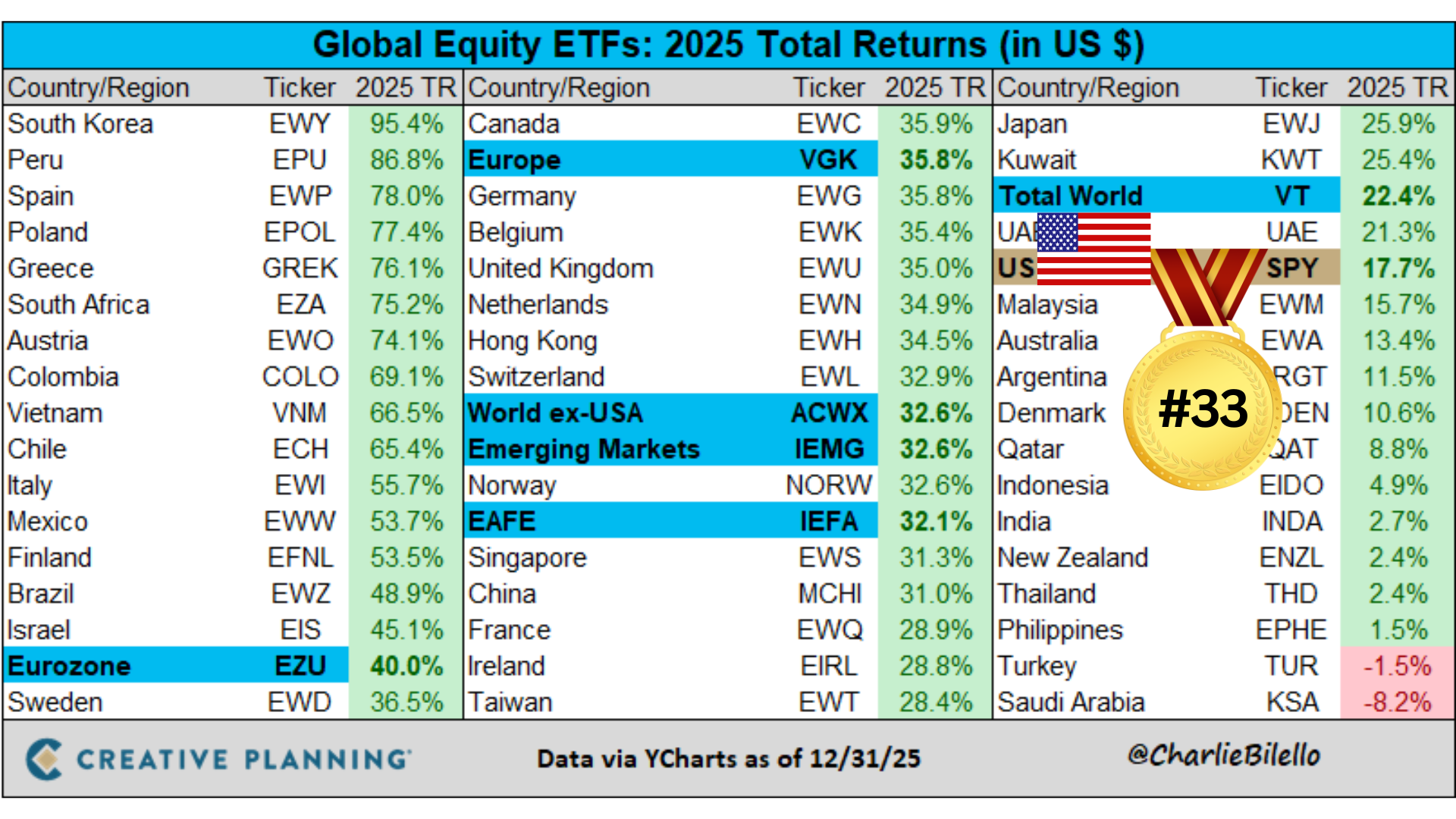
Several factors played a role, including U.S. dollar weakness. If you’ve traveled internationally recently, you probably felt it. From an investment perspective, owning only U.S. assets meant leaving returns on the table.
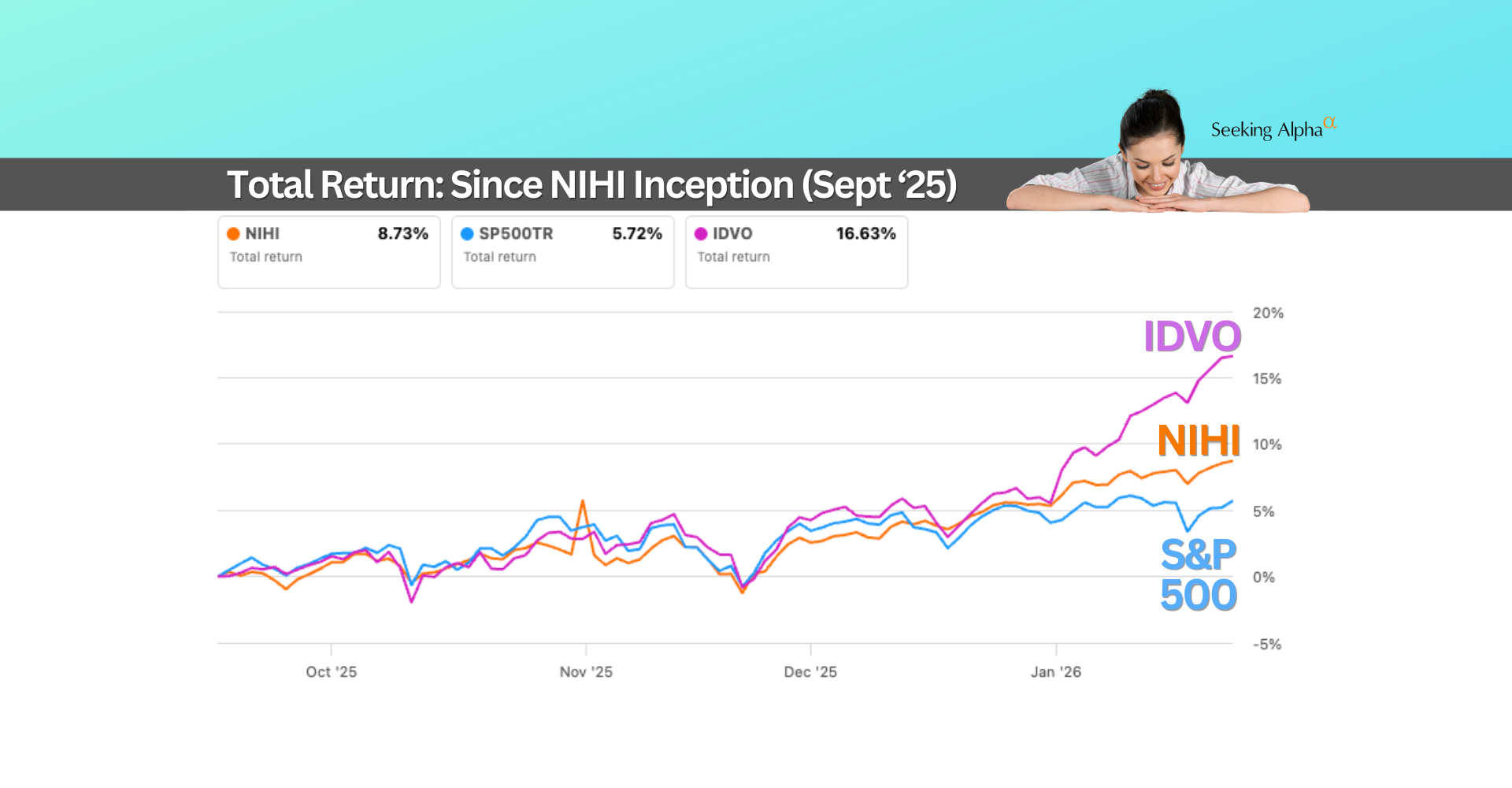
That realization prompted me to more than double my allocation to two global income ETFs: Amplify CWP International Enhanced Dividend Income ETF (IDVO) and NEOS MSCI International High Income ETF (NIHI). Together, they offer a blended yield of roughly 7.8%.
Two Paths to International Income: Growth vs. Yield
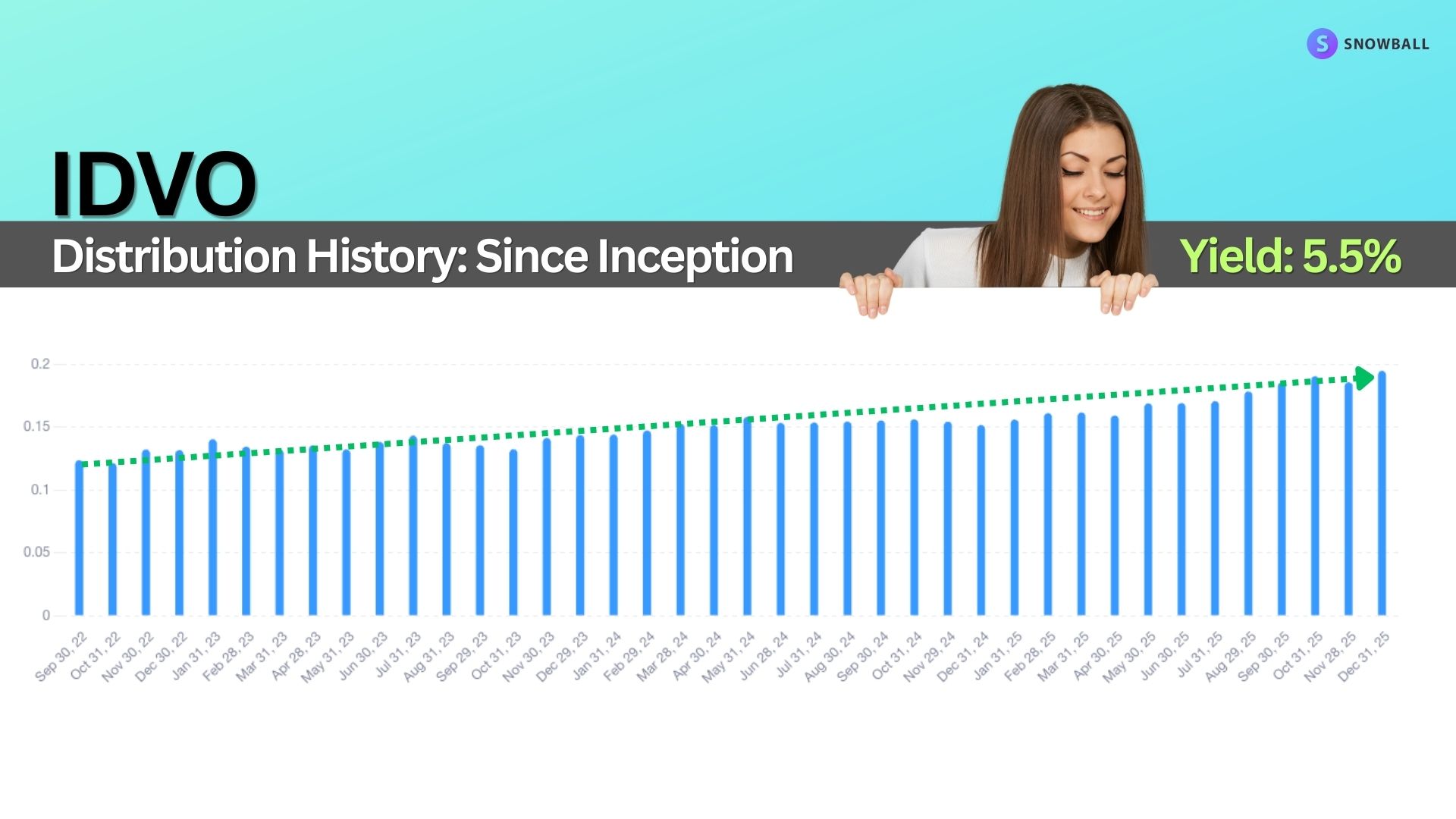
Launched in 2022, IDVO has delivered a steady, upward-trending distribution profile. Using the most recent payout annualized, the yield sits around 5.5%. That’s lower than what I typically target, but three things stand out:
Distributions have trended higher
Total return has been strong relative to many income-focused funds
It’s difficult to find consistent, high-quality international income investments
IDVO holds a concentrated portfolio of 30–50 non-U.S. stocks and uses covered calls selectively. Its strategy leans toward capital appreciation, with income as a secondary objective. In bullish periods, that approach can shine.
NIHI: Higher Income Focus
NIHI launched in late 2025 and targets an 8–10% yield. Early payouts annualized above 13%, though management has suggested that level isn’t the “new normal,” with a more realistic forward expectation closer to 10%.
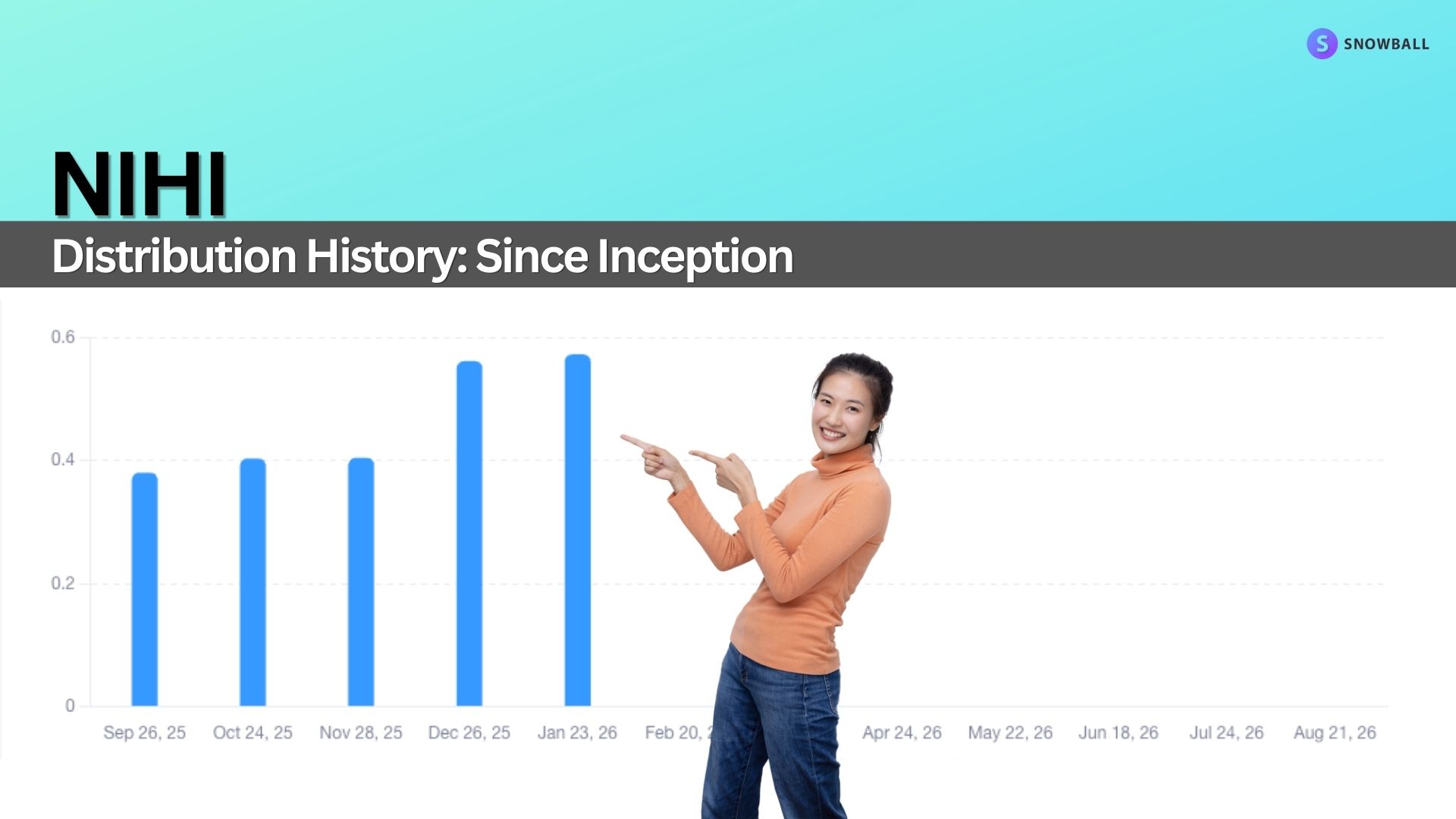
Unlike IDVO, NIHI tracks a broad developed-market index (via IEFA) and adds an actively managed options overlay, giving it additional diversification. The strategy prioritizes income first, appreciation second.
NIHI sells index options, and therefore generates a higher share of return of capital, which can improve tax efficiency; the amount will vary year to year.
How They Compare
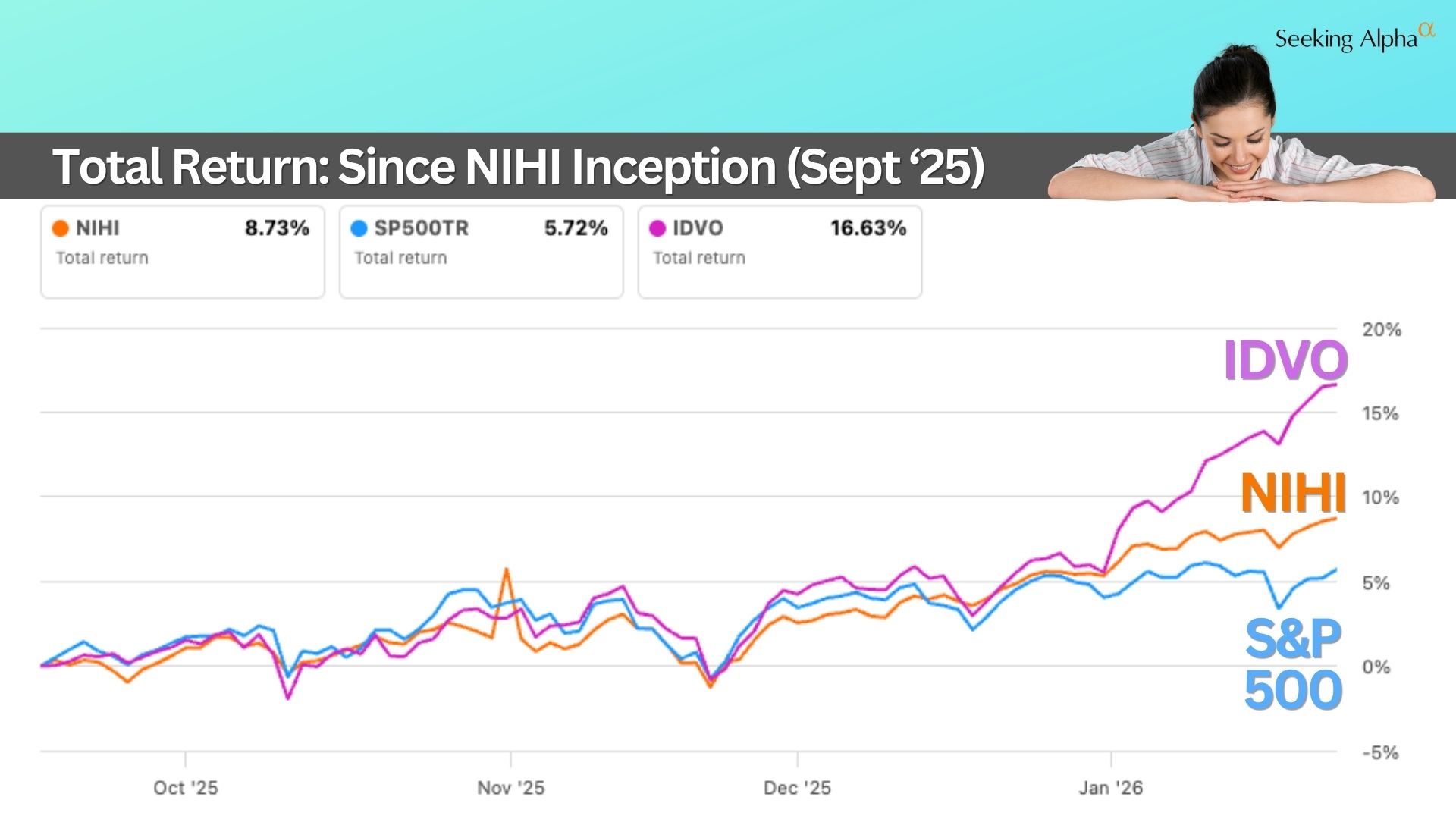
Both funds exclude U.S. stocks and use covered calls to enhance yield. The differences come down to:
Concentration (IDVO) vs. broad diversification (NIHI)
Appreciation focus (IDVO) vs. income focus (NIHI)
Active stock selection (IDVO) vs. index-based exposure (NIHI)
I like owning both. In retirement, consistent cash flow has value. Growth still matters, but not at the expense of reliable income.
The Bigger Picture
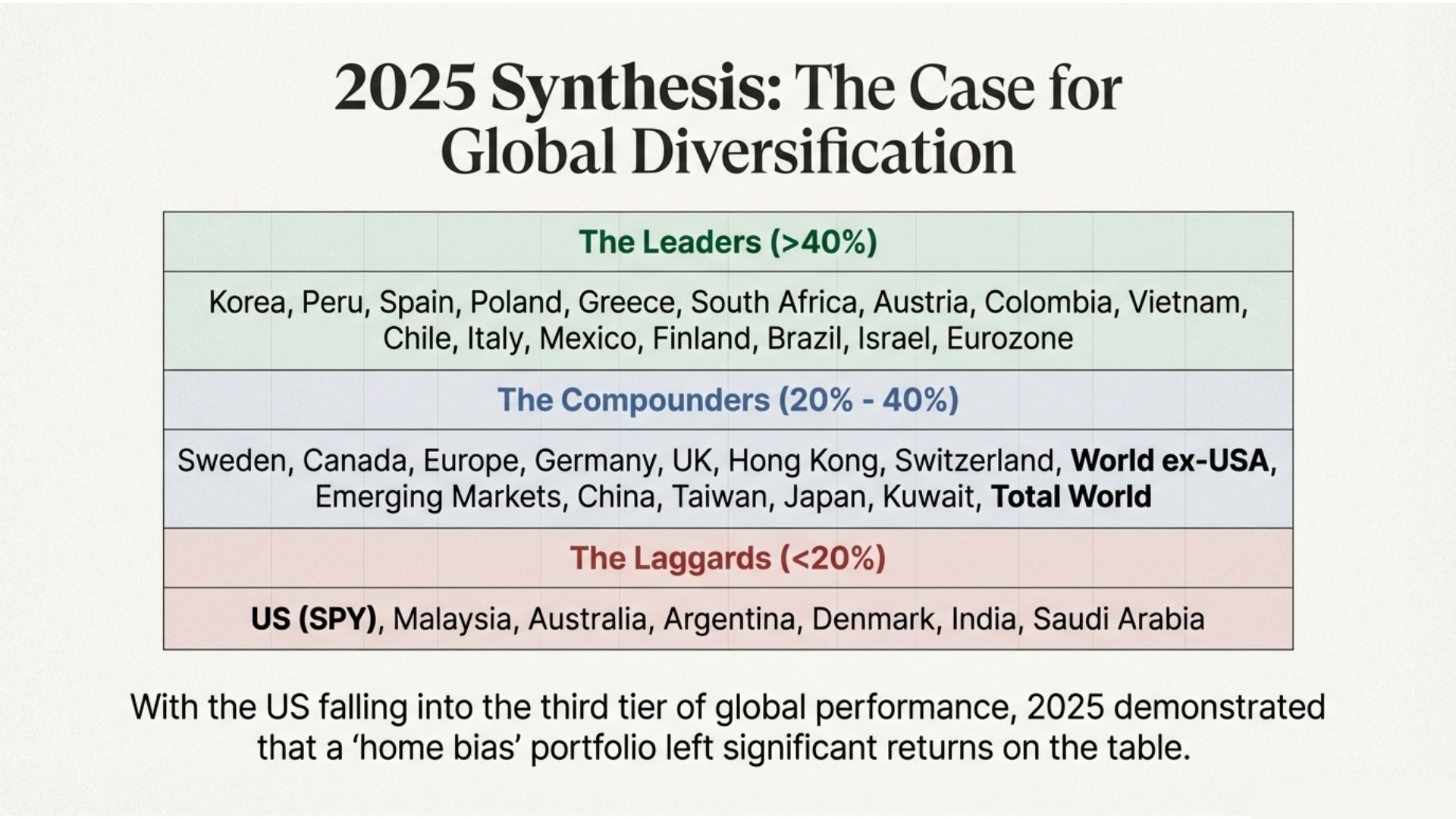
Historically, the U.S. has outperformed more than half the time over the past 50+ years. But leadership rotates, and I’m not comfortable putting all my eggs in one country. The U.S. remains my largest allocation, but my allocation for both IDVO and NIHI is now 5% each, up from roughly 2%. It’s a deliberate shift toward global income diversification.
To learn more about why I increased my global exposure, how IDVO and NIHI compare on yield, tax treatment, and total return—and how they stack up against the competition—watch the full review here.
Want to see how these funds fit into a real-world retirement strategy? I share my full portfolio and monthly updates for free, here: Armchair Insider. If you want to learn from other Income Investors, check out the Armchair Insider Lounge.