

 Stock Analysis
 General
 Library
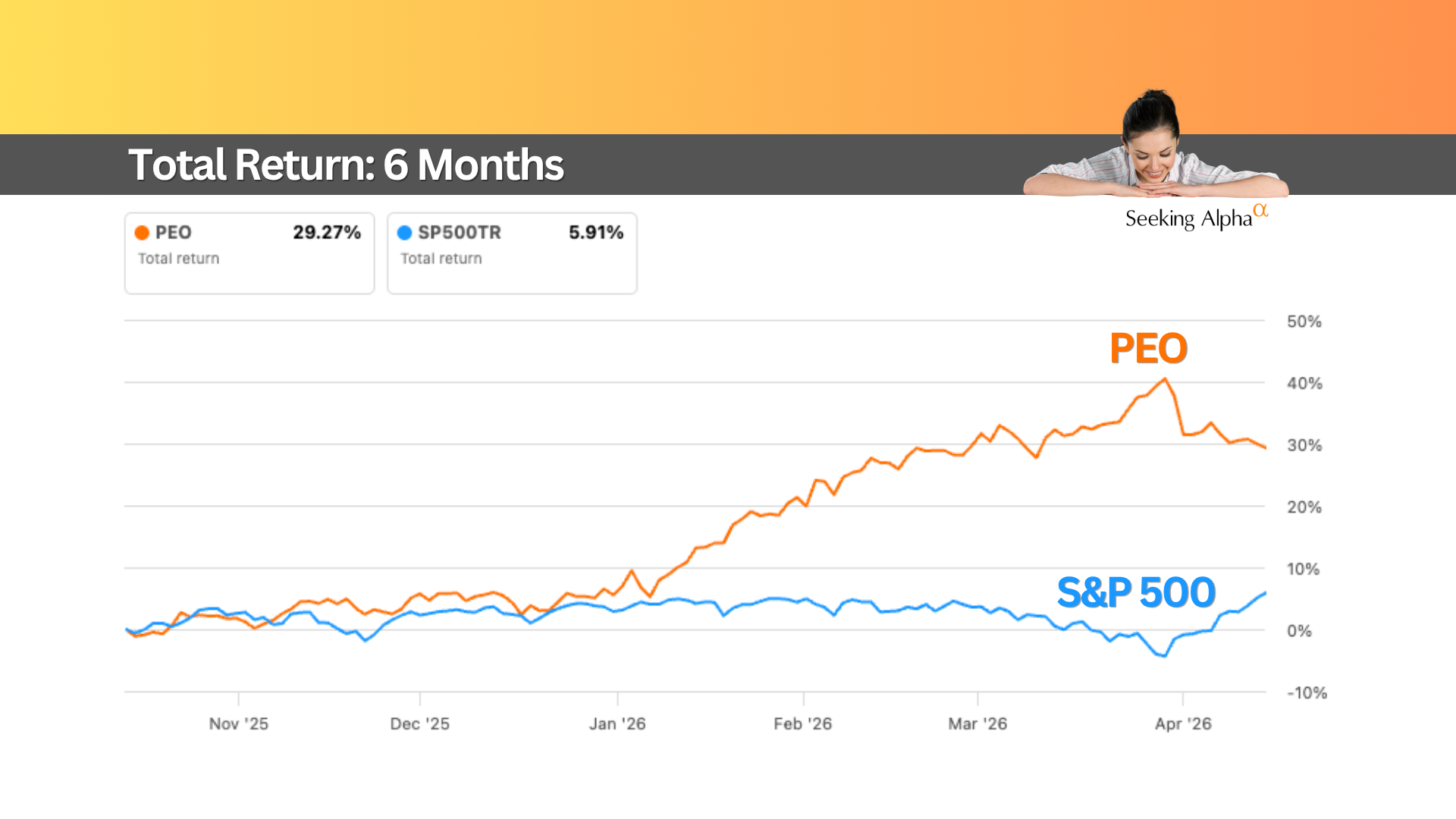
The PEO fund is focused on major energy producers like Exxon Mobil and Chevron, and currently yields just over 8%. Its recent performance has been strong, but this isn’t a short-term story. The fund’s track record stretches back nearly a century.
Today, we’re looking at a 97-year-old energy fund that has survived multiple economic cycles. If you believe energy demand will remain strong long term, this one might be for you.
A Fund Built for the Long Haul
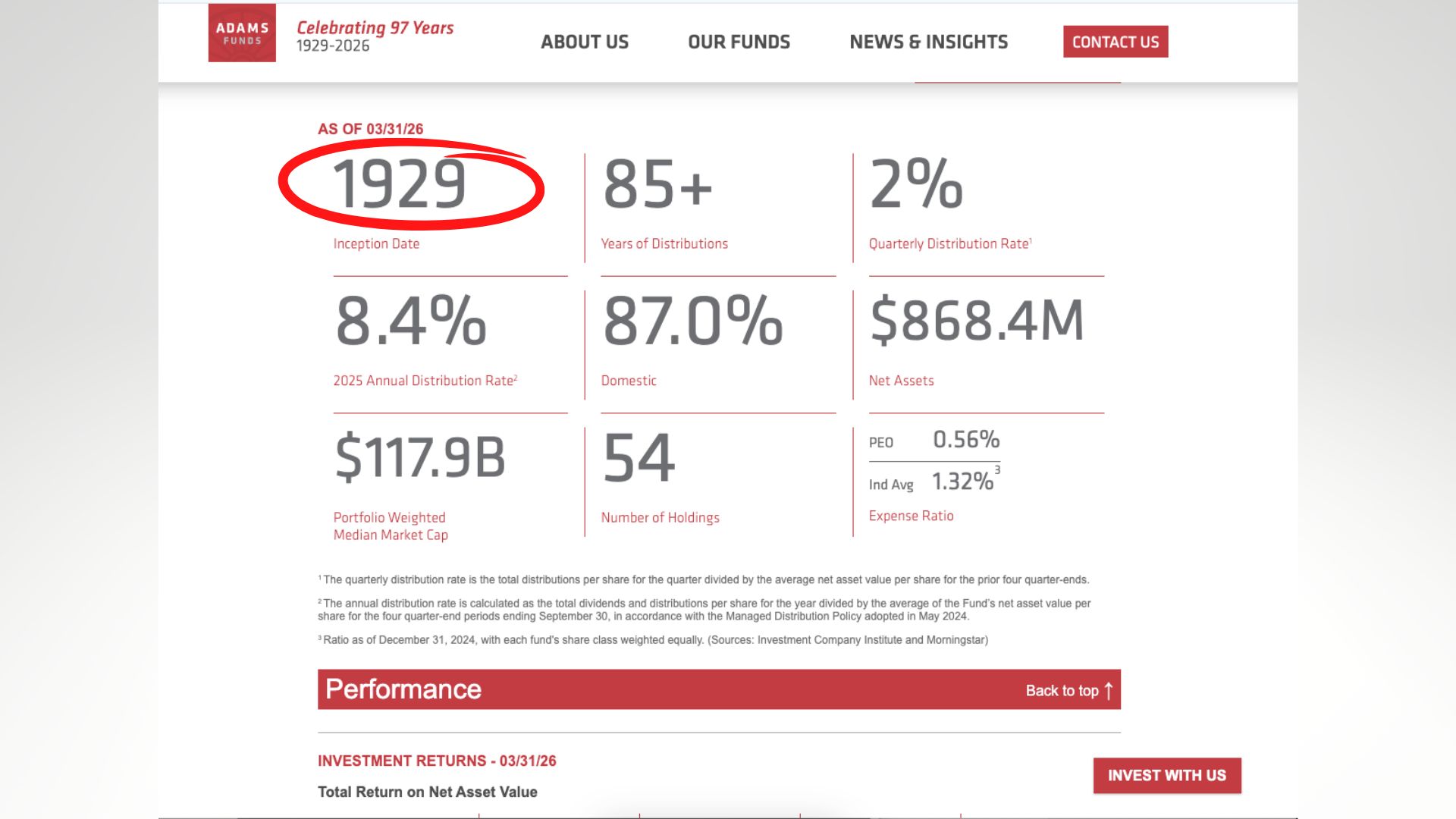
Both PEO and its sister fund ADX were launched in 1929. That means they’ve operated through the Great Depression, World War II, inflationary periods, and multiple market crashes.
That longevity matters. Many modern funds look attractive in good markets, but very few have been tested across this many cycles.
Distribution Shift: From Lumpy to Predictable
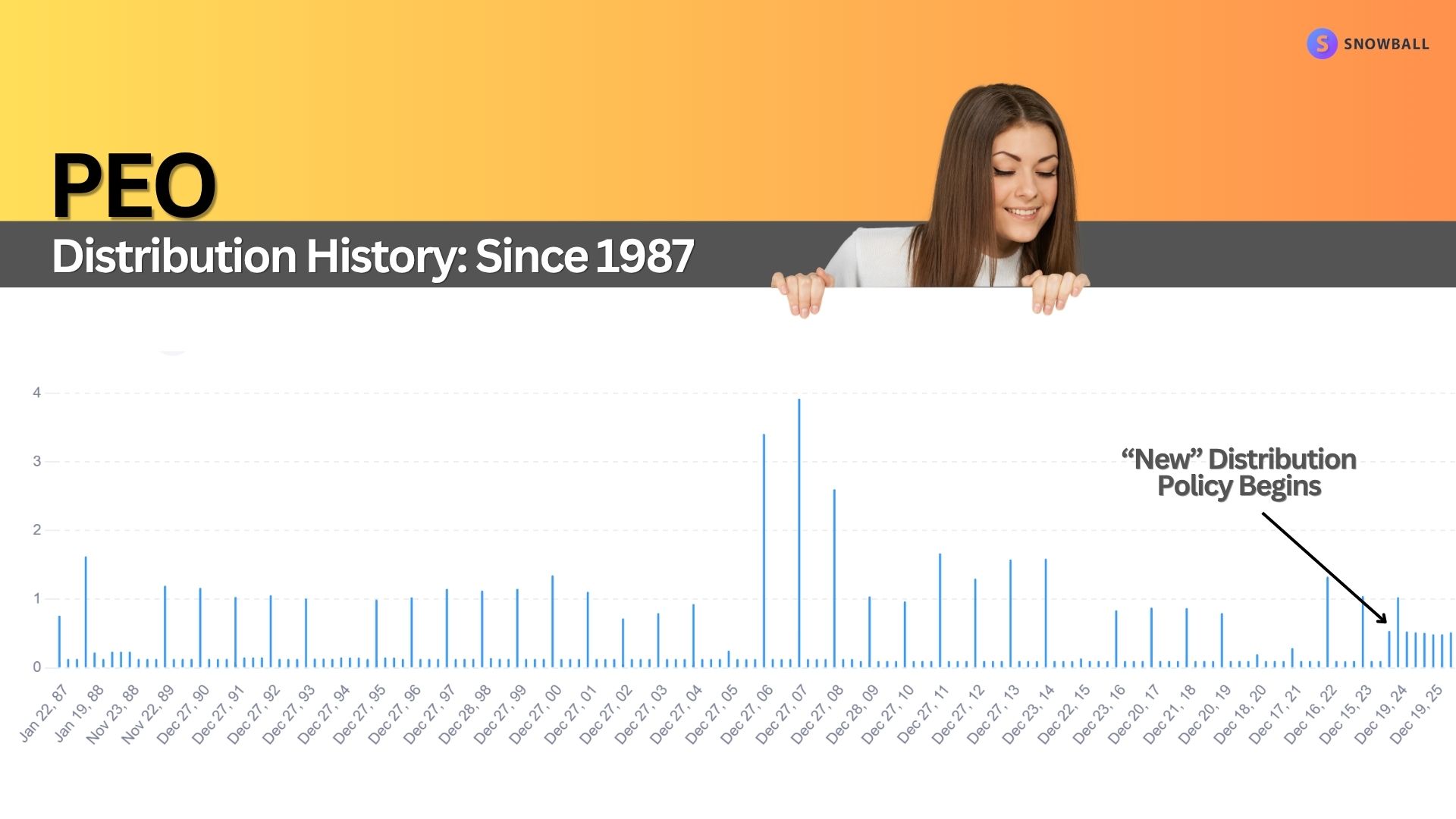
Historically, PEO’s income wasn’t ideal for retirees. Most of the payout came in December, with smaller quarterly amounts throughout the year.
That changed in 2024.
The fund now distributes 2% of NAV per quarter, which translates to roughly 8% annually. Instead of waiting all year for income, investors now receive more consistent payments.
There’s still flexibility. If the fund performs well, additional gains can be distributed at year-end. This hybrid approach blends consistency with upside.
The Yield Advantage: Buying Income at a Discount
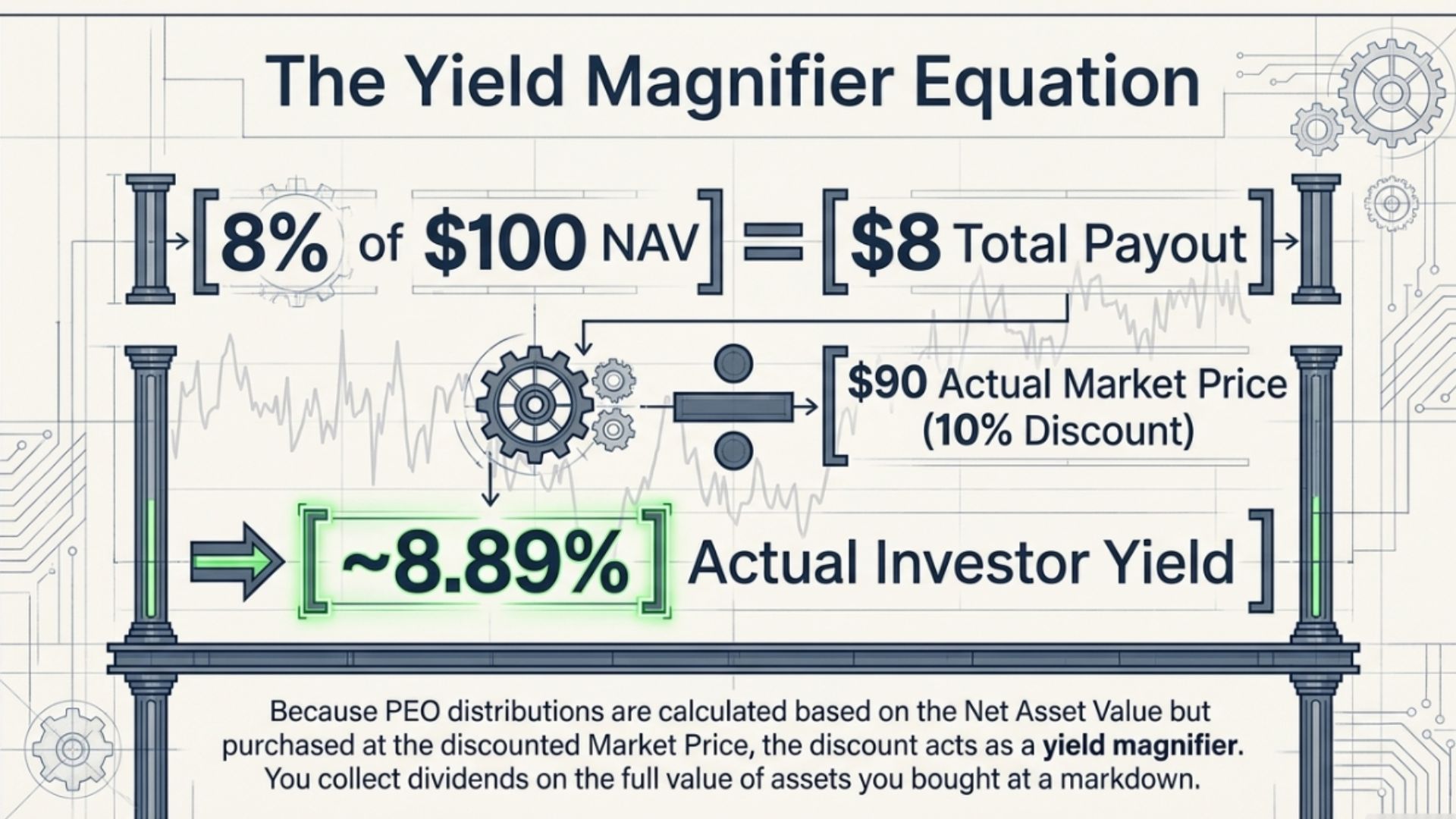
Closed-end funds like PEO often trade below their net asset value.
That creates an interesting effect. If the fund distributes 8% of NAV but you buy at a discount, your actual yield is higher.
For example, buying at a 10% discount means you’re effectively earning closer to 9%. It’s a simple concept, but a powerful one for income investors.
Performance: Energy Cycles Drive Returns
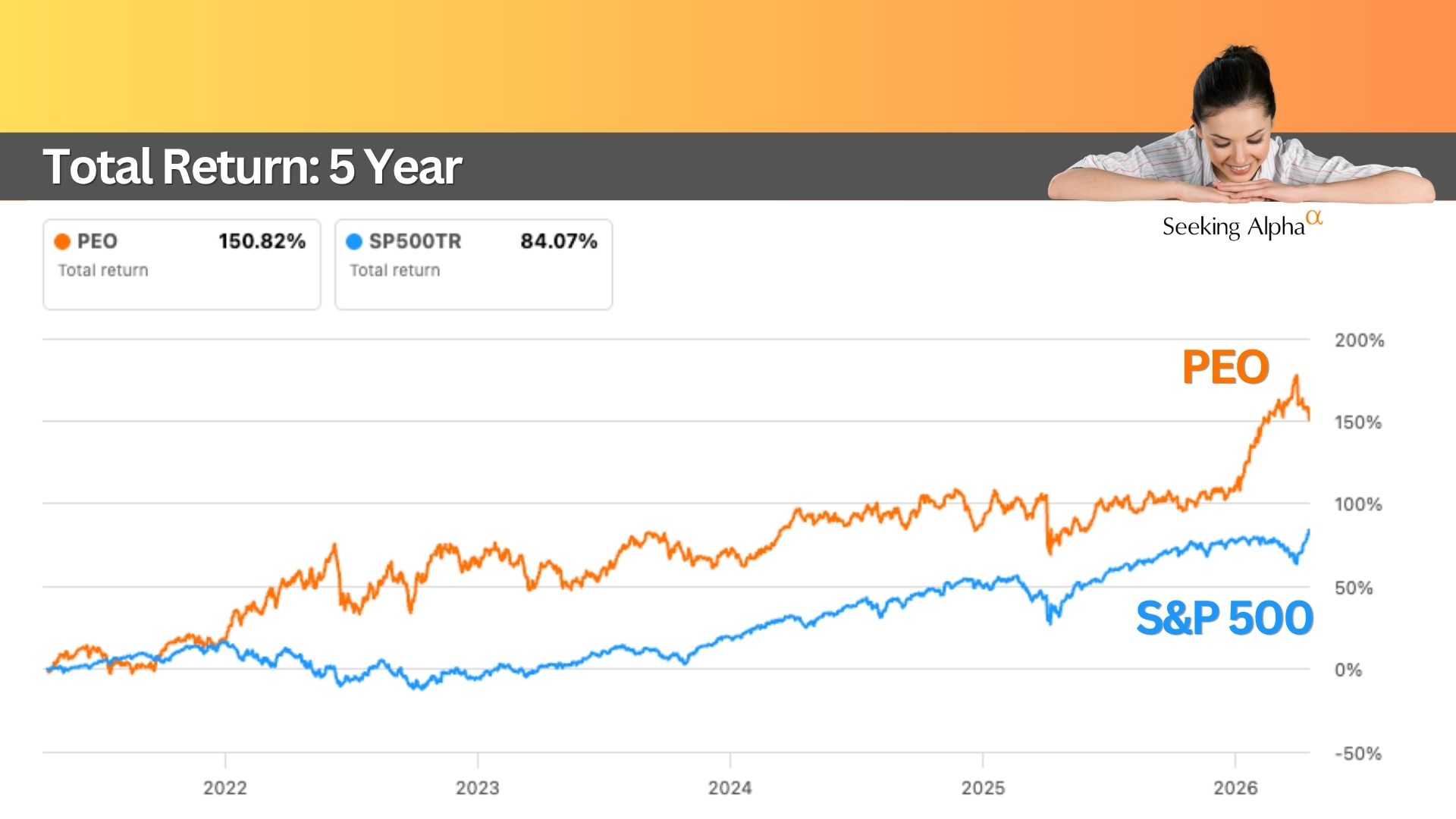
PEO’s performance is closely tied to the energy sector.
From 2004 to 2014, it outperformed the S&P 500. From 2014 to 2020, it struggled along with oil and gas stocks. More recently, it has rebounded strongly.
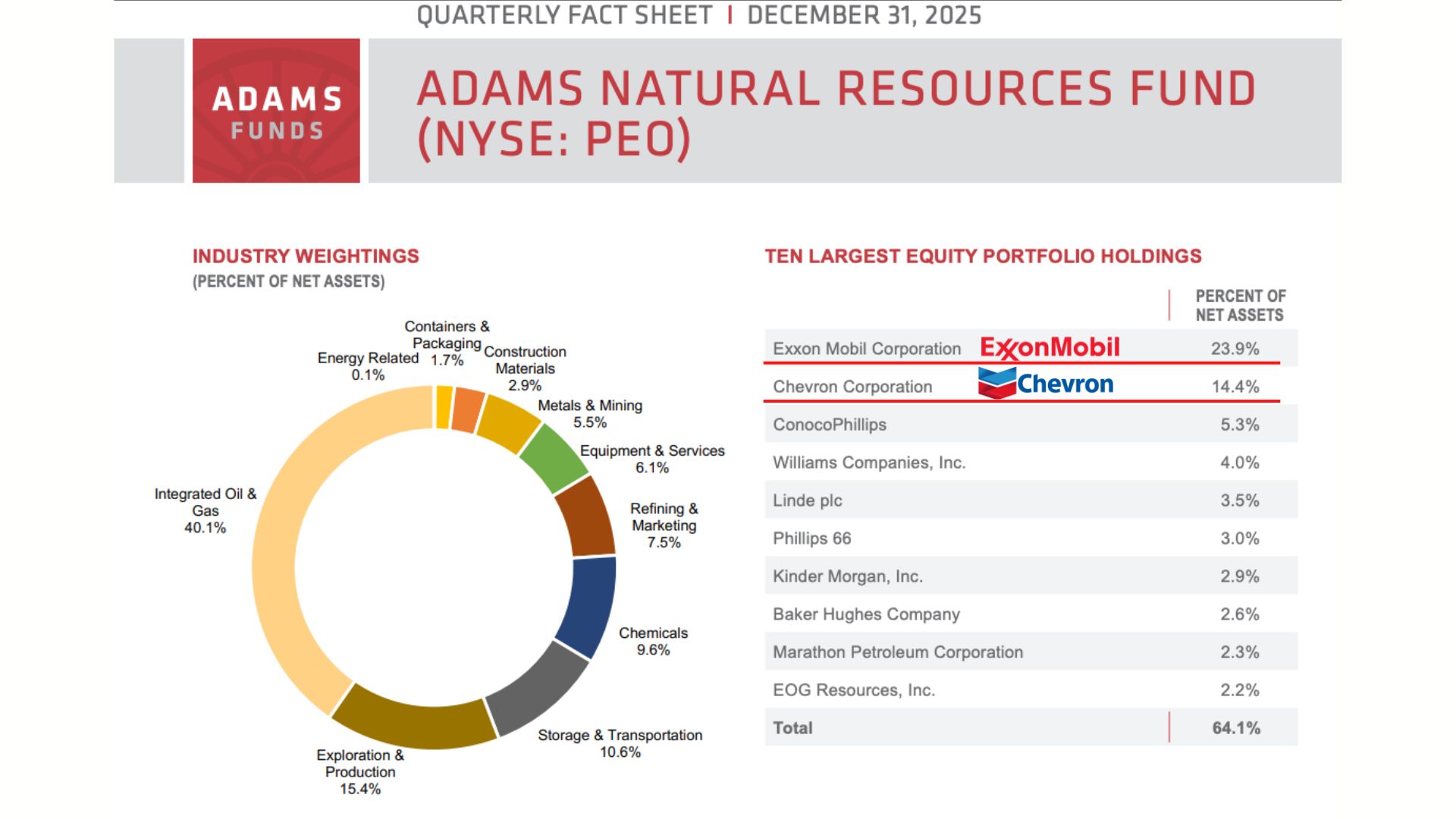
The top holdings are heavily concentrated in Exxon and Chevron, making up a significant portion of the portfolio. That concentration can be a strength or a risk, depending on your view of energy.
Strategy: Capital Gains, Not Dividends
Unlike traditional income funds, PEO doesn’t rely heavily on dividends from its holdings. Instead, it generates income by realizing gains from trading.
Roughly 80% of the portfolio is allocated to energy stocks, with the remaining 20% in materials. This provides some diversification, but performance is still largely driven by energy prices.
There’s also minimal leverage, which helps reduce risk compared to many closed-end funds.
My Take
PEO isn’t a typical income fund.
The new distribution policy makes it far more attractive for income-focused investors, but the underlying strategy still depends on market performance. That means income is more variable than what you’d get from bonds or dividend-focused funds.
If you’re bullish on energy and want higher income than traditional oil stocks provide, PEO is a compelling option.
Personally, I favor broader diversification, which is why I currently hold its sister fund, ADX. But PEO is on the watchlist.
To learn more, click here for the full Review.
Want to see how these funds fit into a real-world retirement strategy? I share my full portfolio and monthly updates for free, here: Armchair Insider. If you want to learn from other Income Investors (I do!), check out the Armchair Insider Lounge.