
 Stock Analysis
 General
 Library
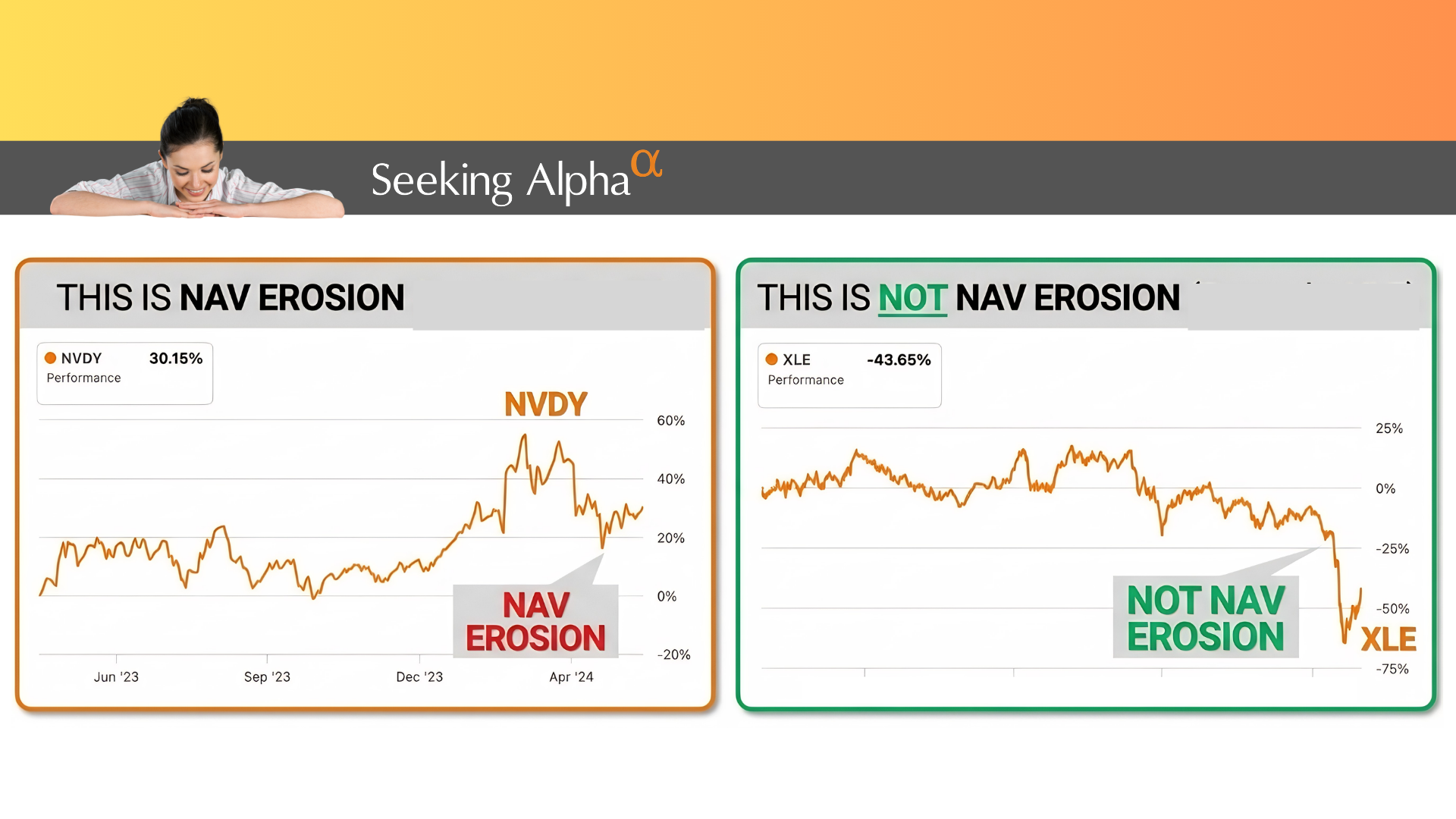
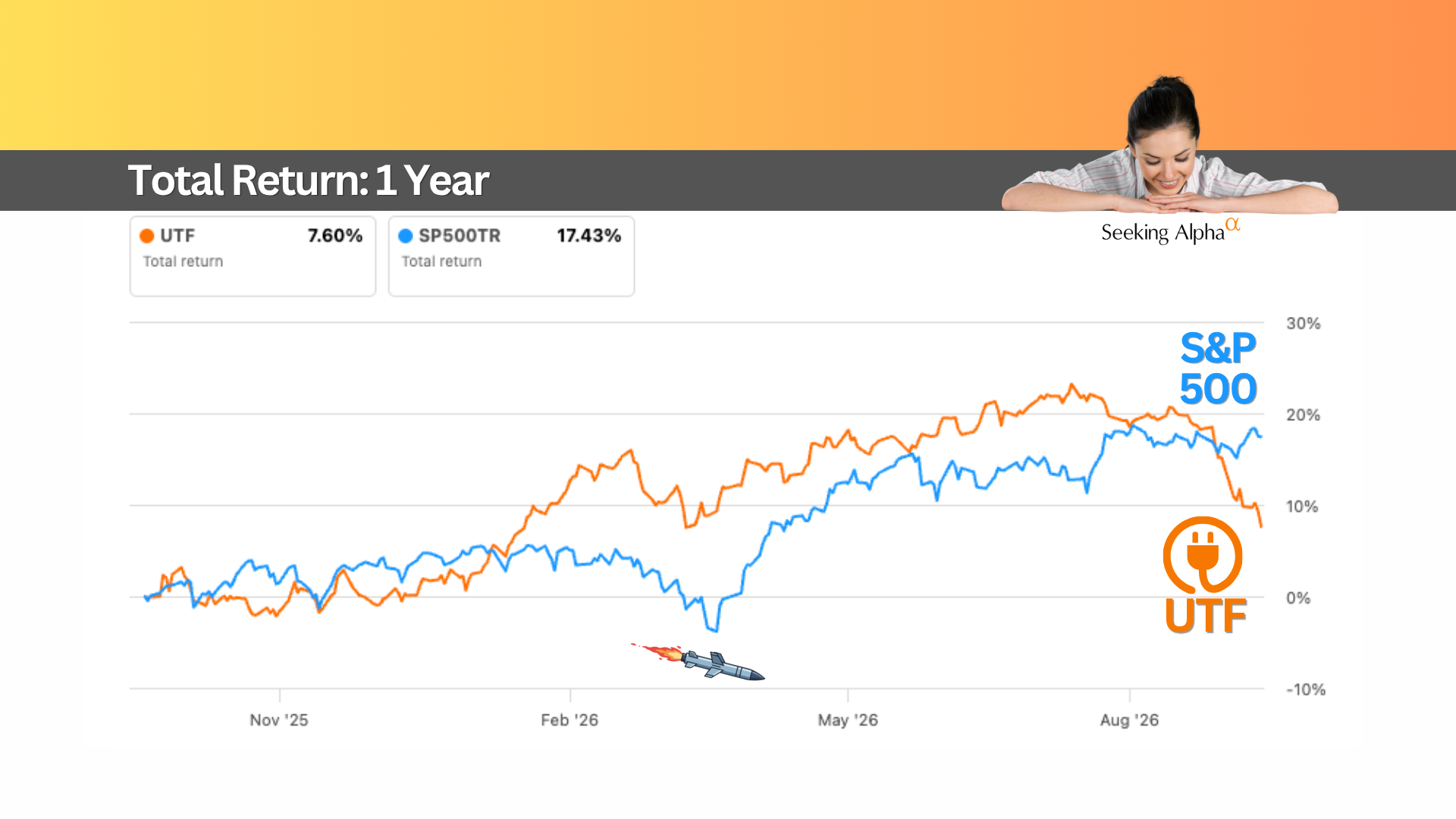
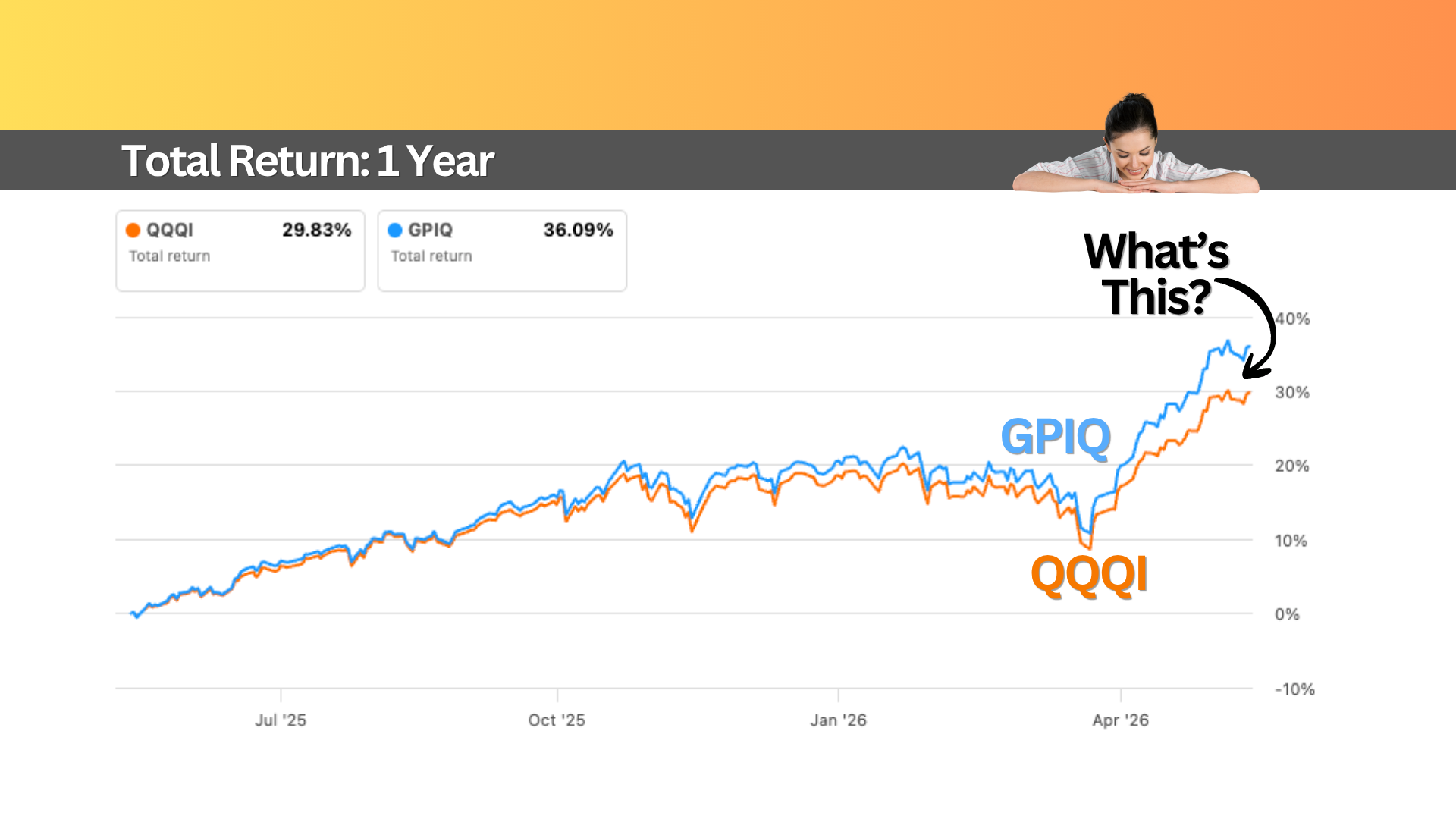
This… is NAV erosion. And this… is not NAV erosion. Confusing?
A lot of content online gets this wrong. So today, we’re going to simplify it—what NAV erosion actually is, why it matters, and how to avoid it.
Why It Matters
NAV erosion happens when your investment loses value because of the fund itself, not the market.
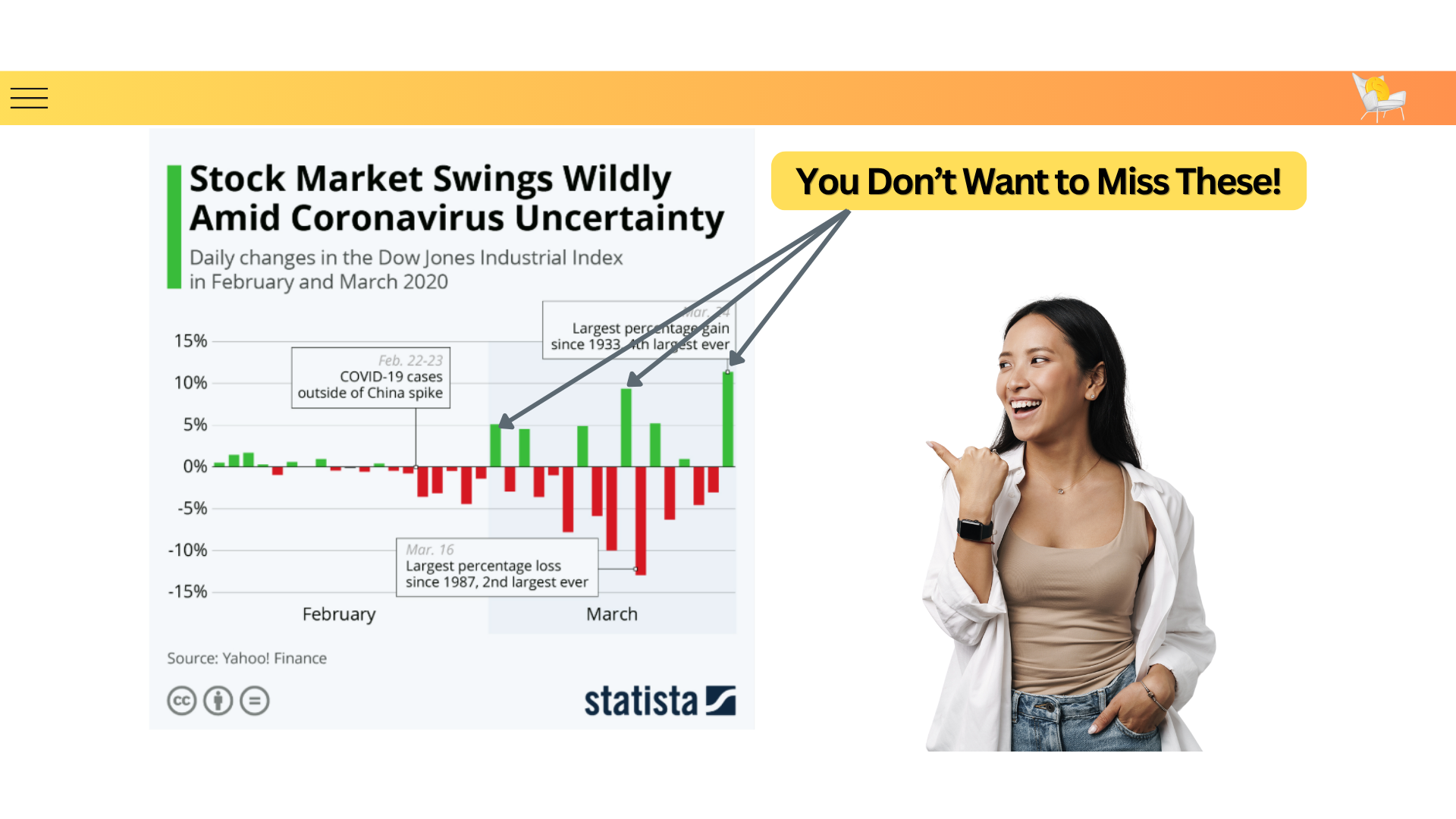
Short-term declines caused by market volatility are normal. But if your investment steadily shrinks over time due to how the fund operates, that’s a problem. That’s what we’re trying to avoid.
What Most People Get Wrong
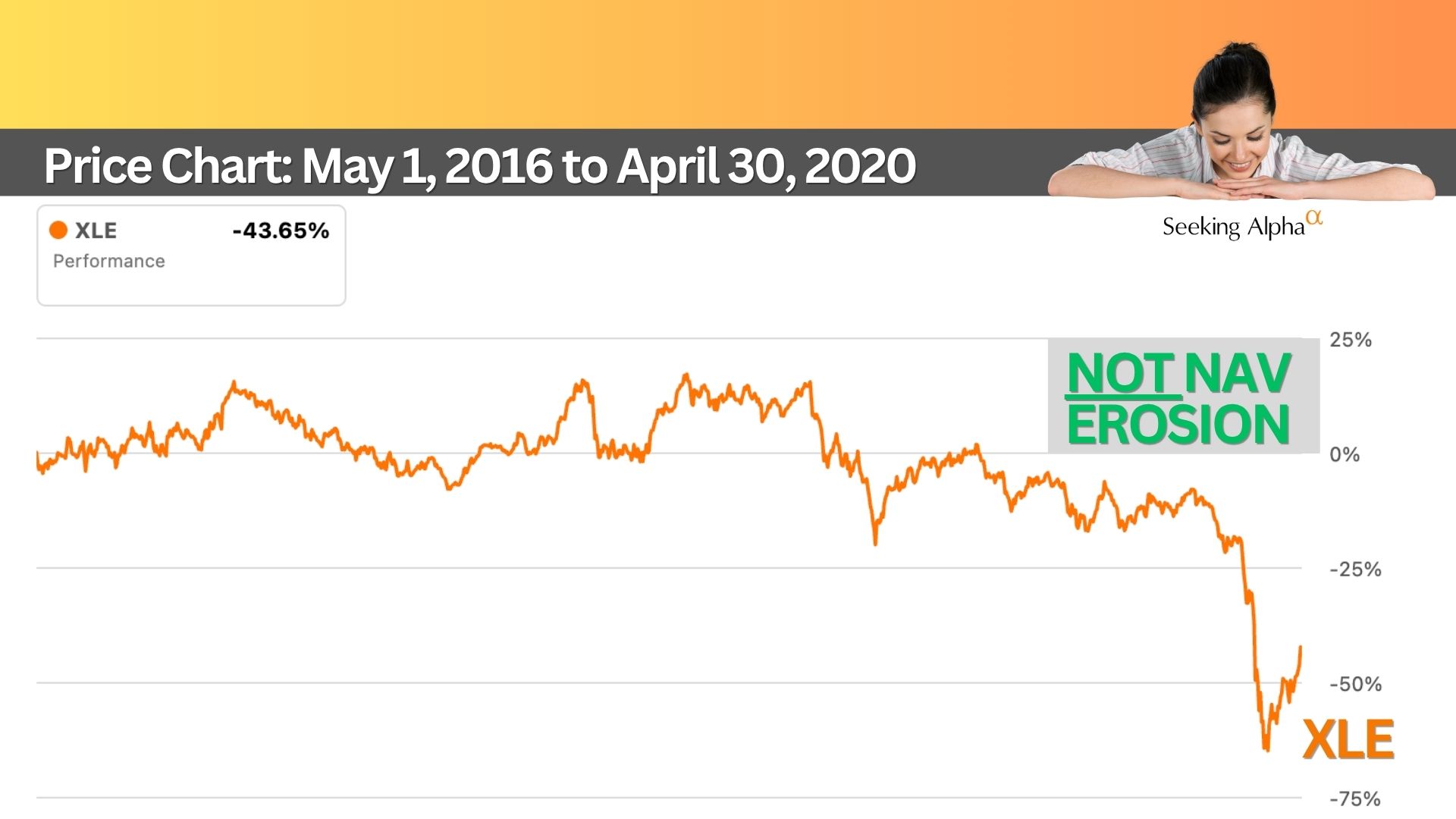
A falling chart doesn’t automatically mean NAV erosion.
Take an energy ETF during a bad cycle. Oil crashes, demand drops, and the fund declines for years. That’s not the fund failing—it’s the sector.
Extend the timeline and you’ll often see recovery. The mistake is confusing market performance with fund structure.
So What Is NAV Erosion?
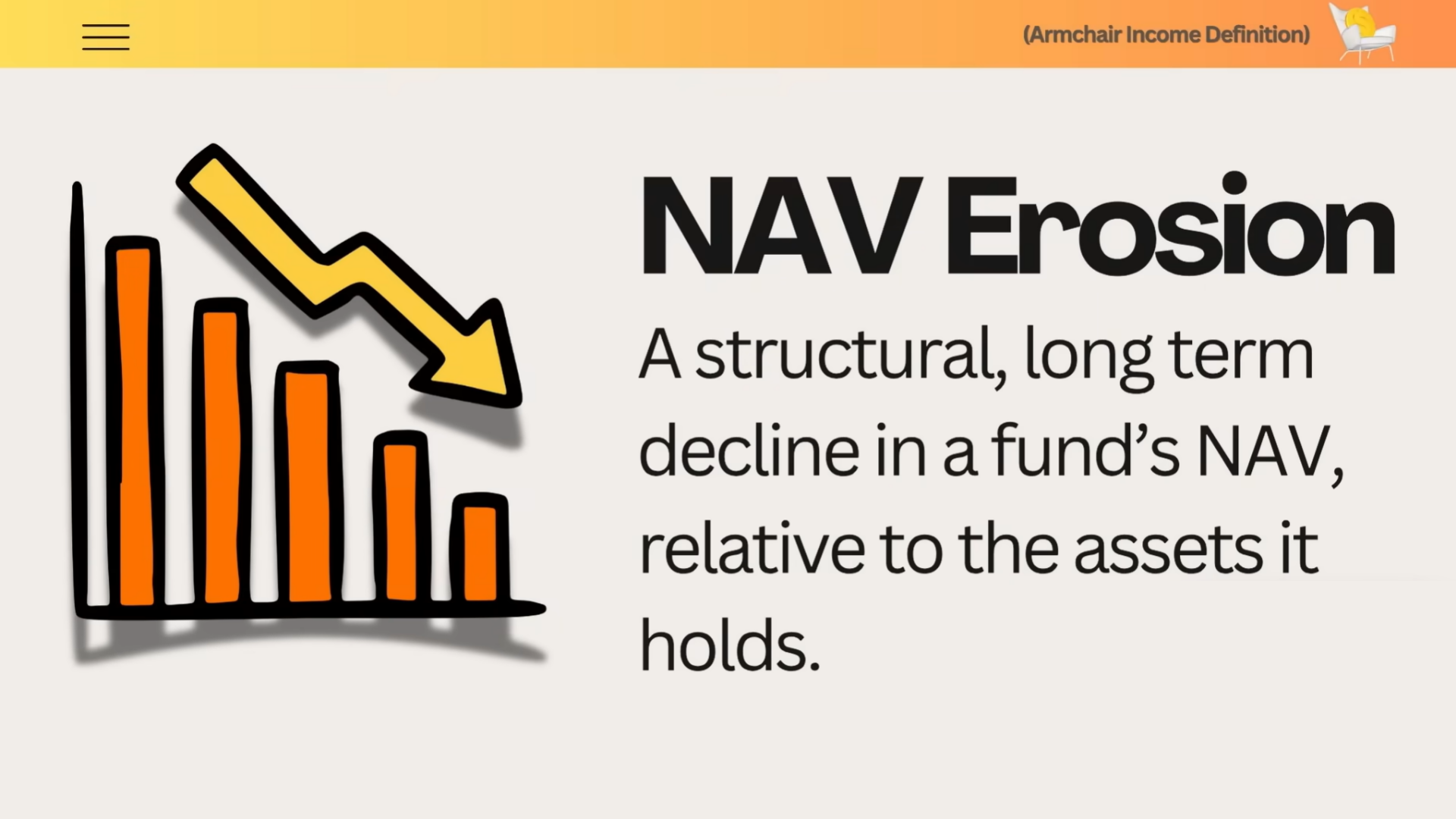
Here’s a simple way to think about it:
NAV erosion is a structural, long-term decline in a fund’s value relative to the assets it holds.
Imagine carrying water in a bucket from a well to your home. The water is your money. The fund is the bucket.
If the bucket leaks, that’s NAV erosion.
Market conditions—rain, heat, evaporation—those are external. But the leak? That’s the fund.
A Real Example
Here’s where it gets interesting.
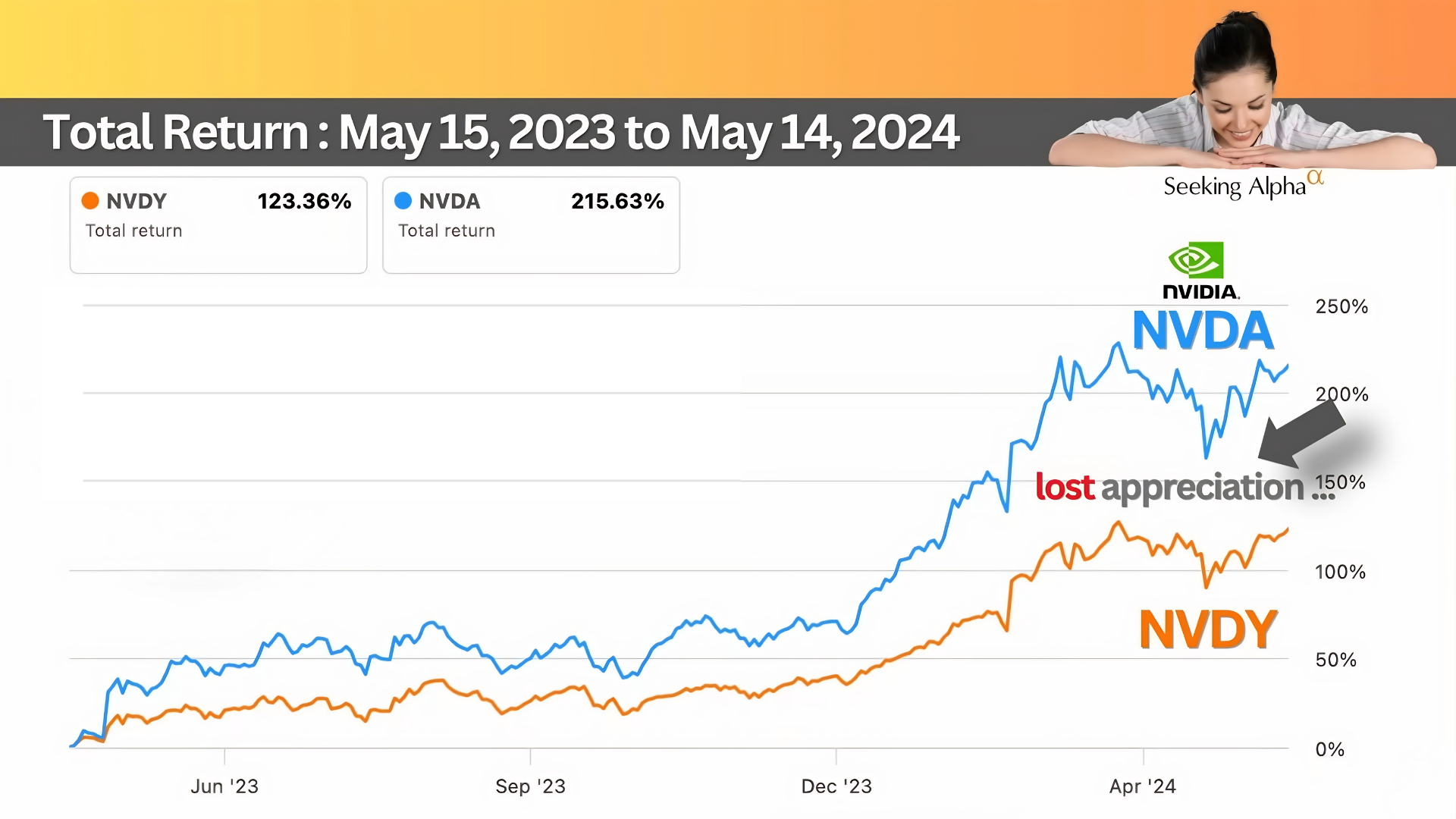
A covered call fund tied to Nvidia might show strong price gains and high income. Looks great on the surface.
But compare it to Nvidia stock itself, and you’ll often see a large gap. That gap is lost appreciation—a key form of NAV erosion.
The fund didn’t fail. It did exactly what it was designed to do: generate income. But that income came at the cost of growth.
What Causes NAV Erosion
Here are the most common causes…
Fees are the simplest. If a fund charges more than the value it adds, performance will lag.
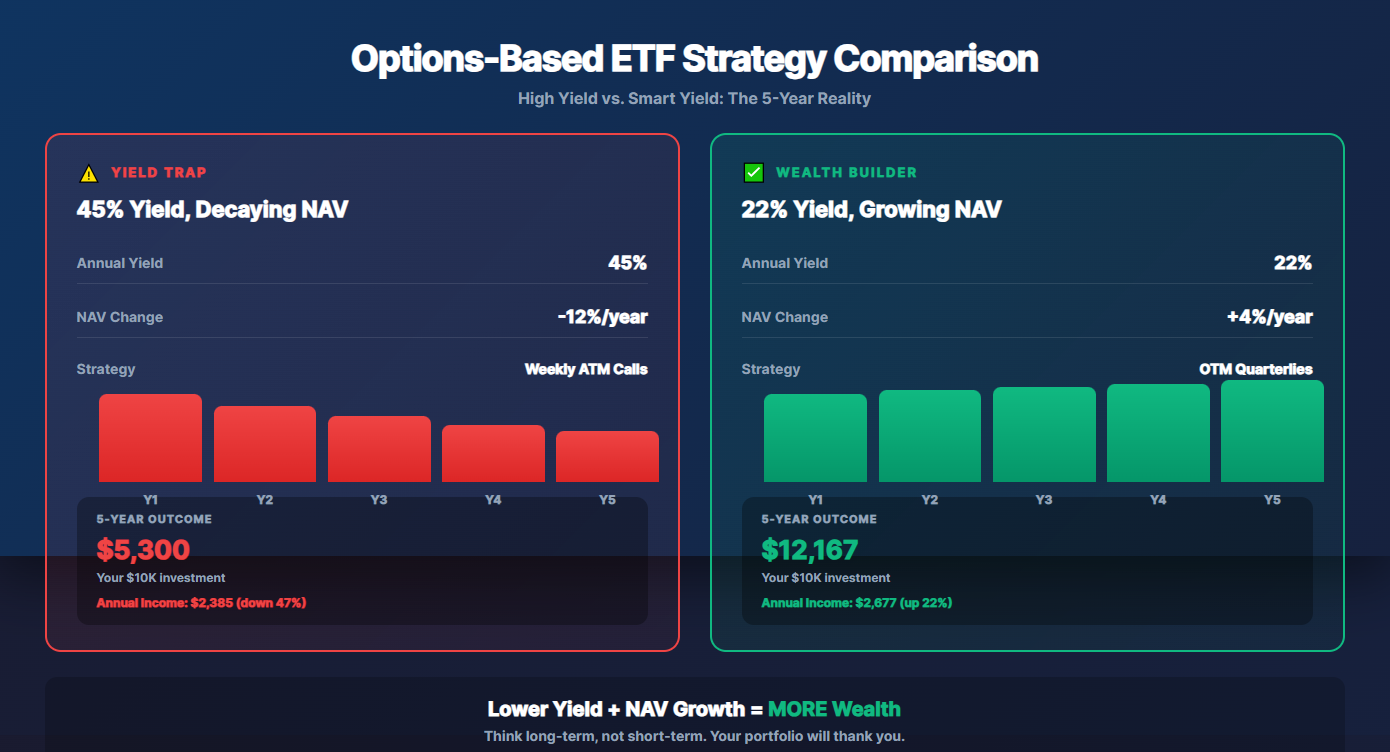
Derivatives, like options, can also reduce upside. Covered call strategies trade growth for income.
Overdistribution is another big one. If a fund pays out more than its total return, its asset base shrinks over time.
And then there’s destructive return of capital—essentially giving investors their own money back.
How to Avoid It
Focus on total return, not just yield.
Compare a fund’s performance to its underlying assets over the long term, using total return (price movement plus dividends reinvested). If it consistently lags, understand why. Seeking Alpha is handy for these comparisons.
For option-based funds, look for strategies that allow some upside—like partial overwriting (ie less than 100%) or out-of-the-money calls.
And most importantly, don’t assume all yield is “free income.” Sometimes, you’re just getting your own capital back.
My Take
NAV erosion isn’t about price charts. It’s about structure.
Some erosion is acceptable. But all else equal, less is better.
Understand what the fund is doing—not just what the market is doing—and you’ll avoid most of the mistakes investors make.
To learn more, click here for the full Review.
Want to see how these funds fit into a real-world retirement strategy? I share my full portfolio and monthly updates for free, here: Armchair Insider. If you want to learn from other Income Investors (I do!), check out the Armchair Insider Lounge.