
 Stock Analysis
 General
 Library
Most income portfolios don’t stay static.
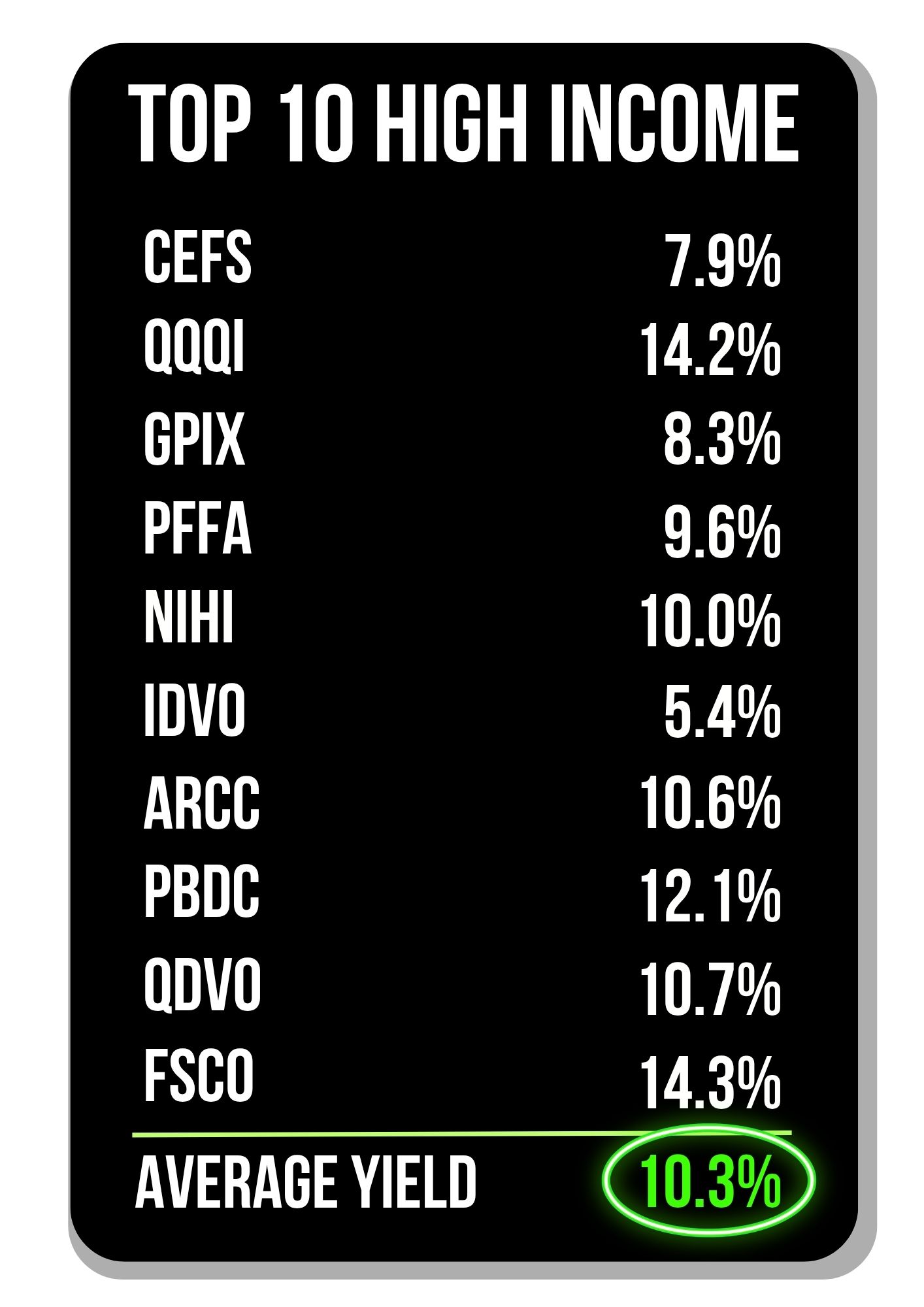
Back in November 2025, I shared my Top 10 income investments. Since then, I’ve sold two positions, and one has dropped out of the top 10.
Time for an update—what’s working, what’s not, and what’s changed.
CEFS – Still a Core Holding
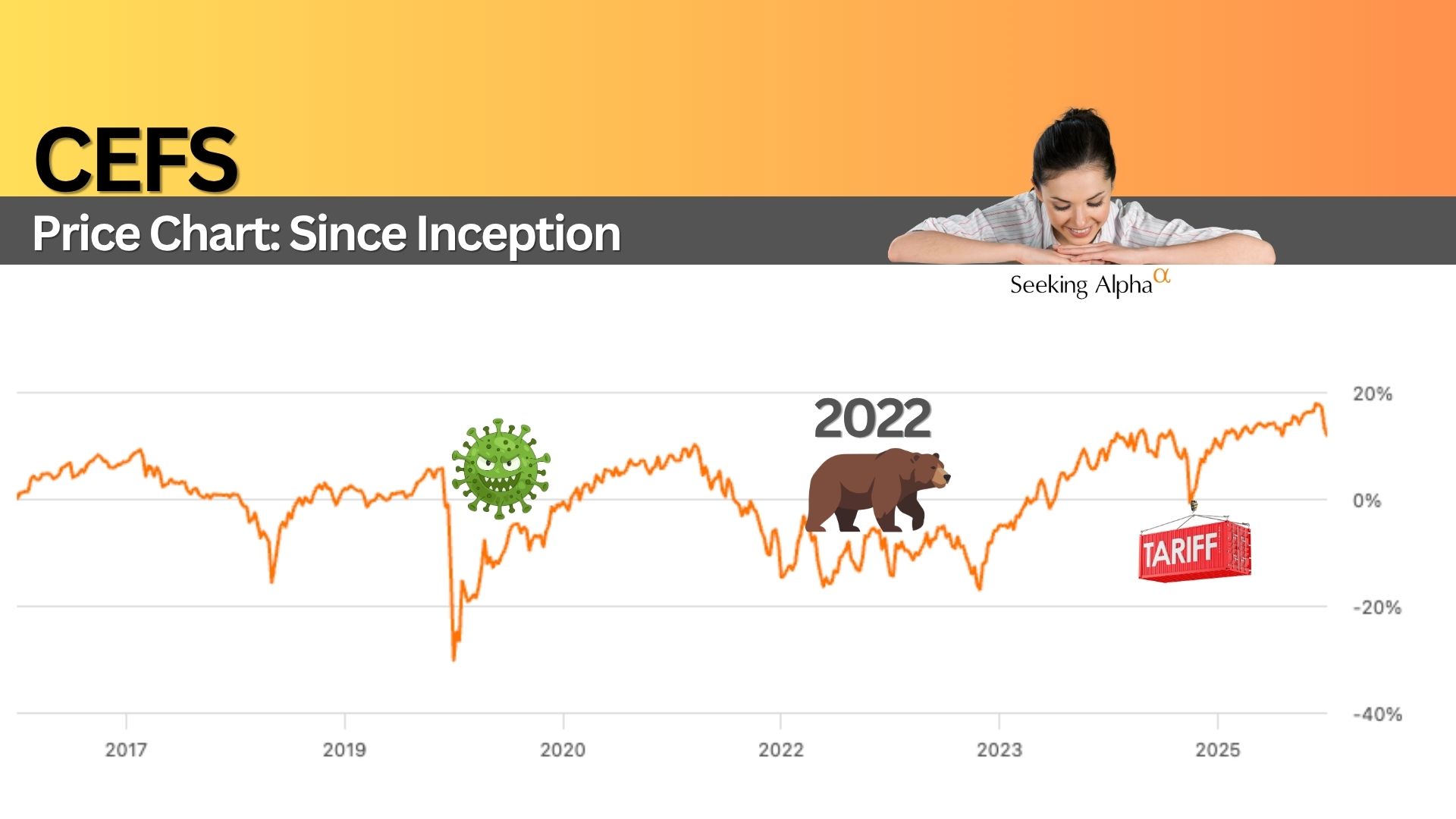
CEFS yields around 7.9% and remains one of my favorites.
It’s a fund-of-funds, which means built-in diversification across multiple income strategies. More importantly, it has a history of steady income plus occasional special distributions.
Even through major events—the pandemic, 2022 rate hikes, and recent volatility—it has consistently recovered.
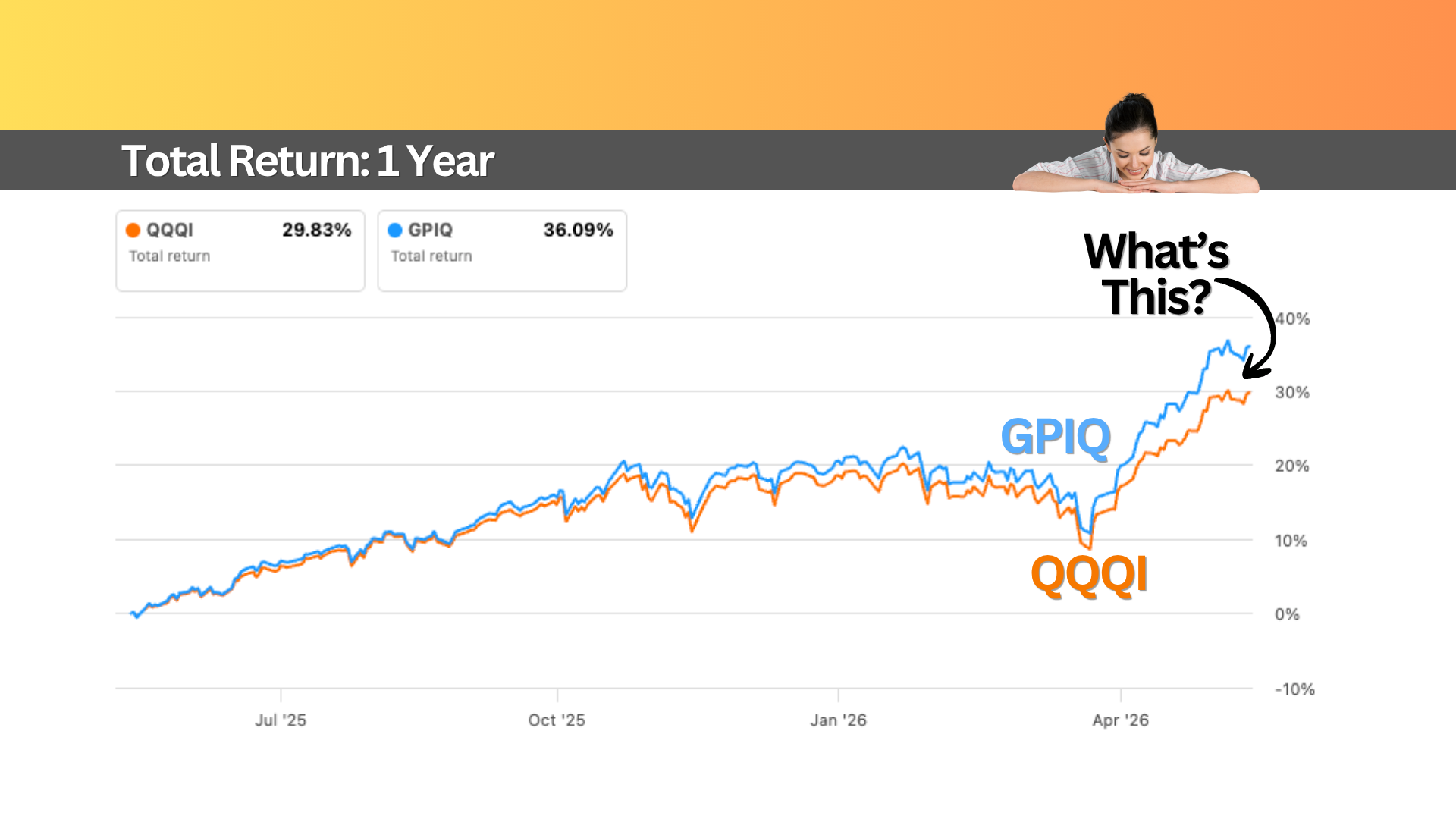
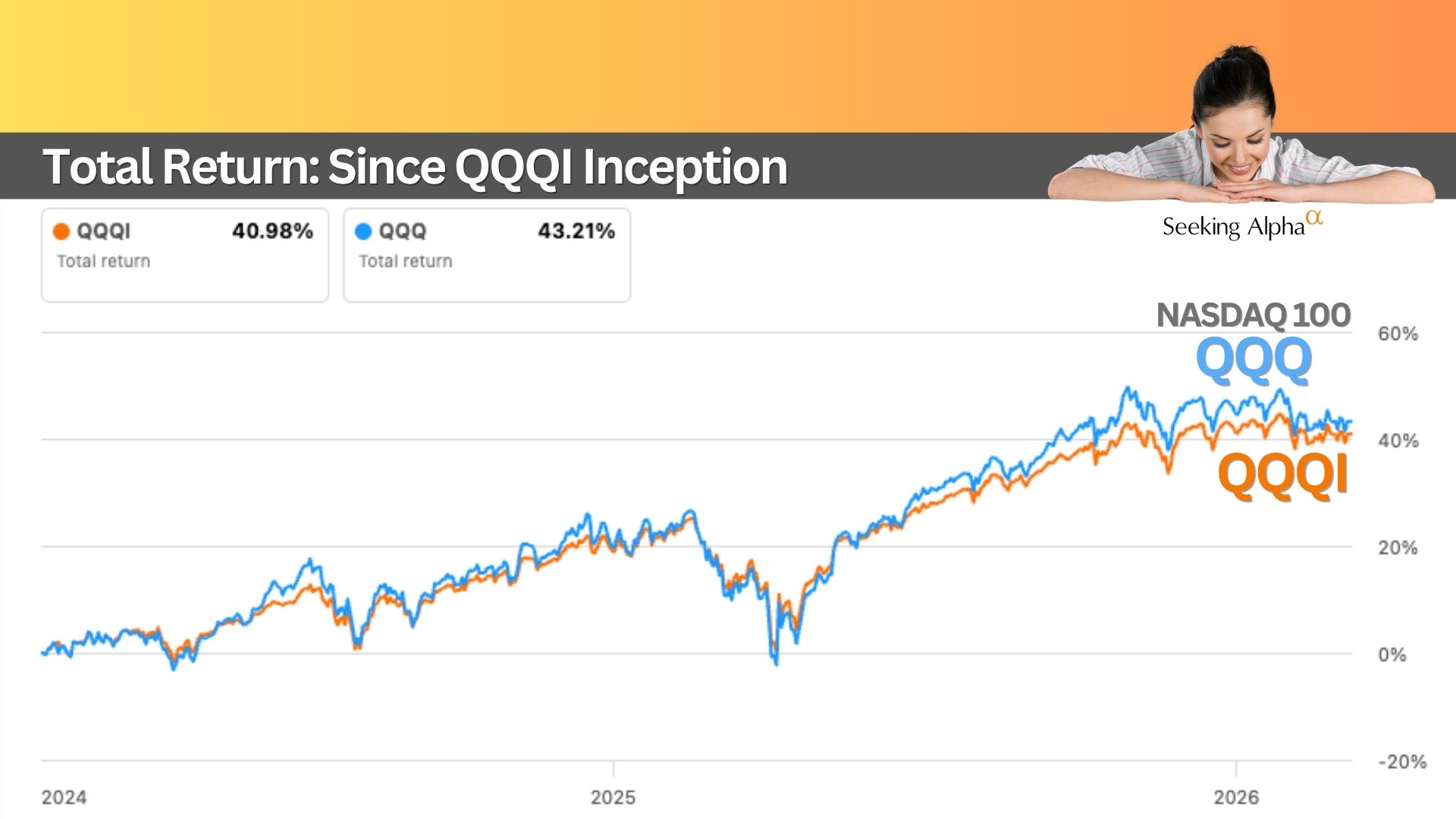
QQQI – Turning Volatility Into Income
QQQI yields about 14% and continues to deliver.
It uses covered calls on the Nasdaq 100 to convert growth into income. Distributions are stable, with only minor dips during volatility spikes.
The tradeoff is simple: slightly underperform in strong bull markets, but generate consistent cash flow.
GPIX – Growth Tilted Income
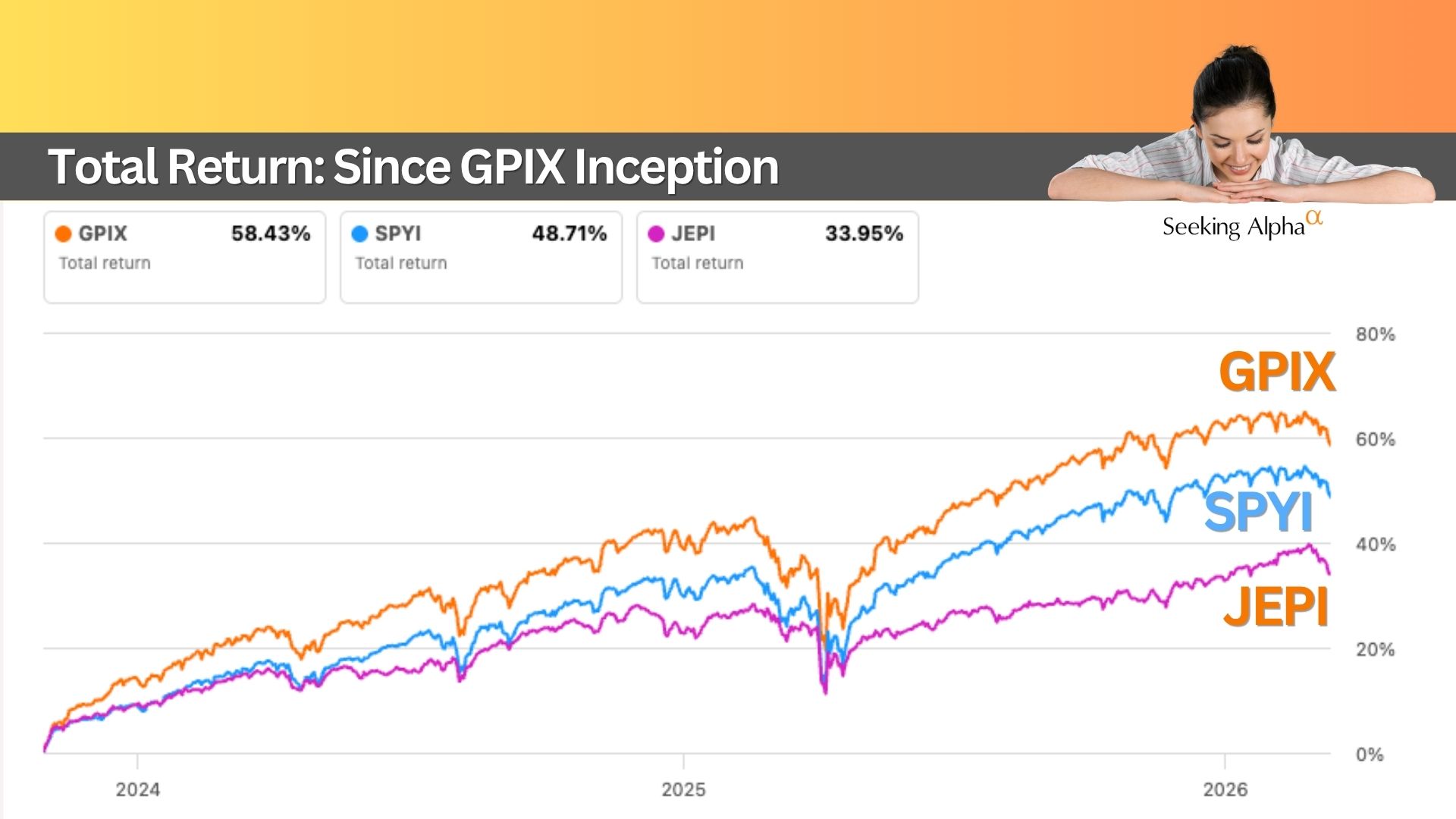
GPIX yields about 8.3%.
Like QQQI, it uses options—but on the S&P 500. The key difference: more growth, less income.
PFFA – Preferred Income Done Better
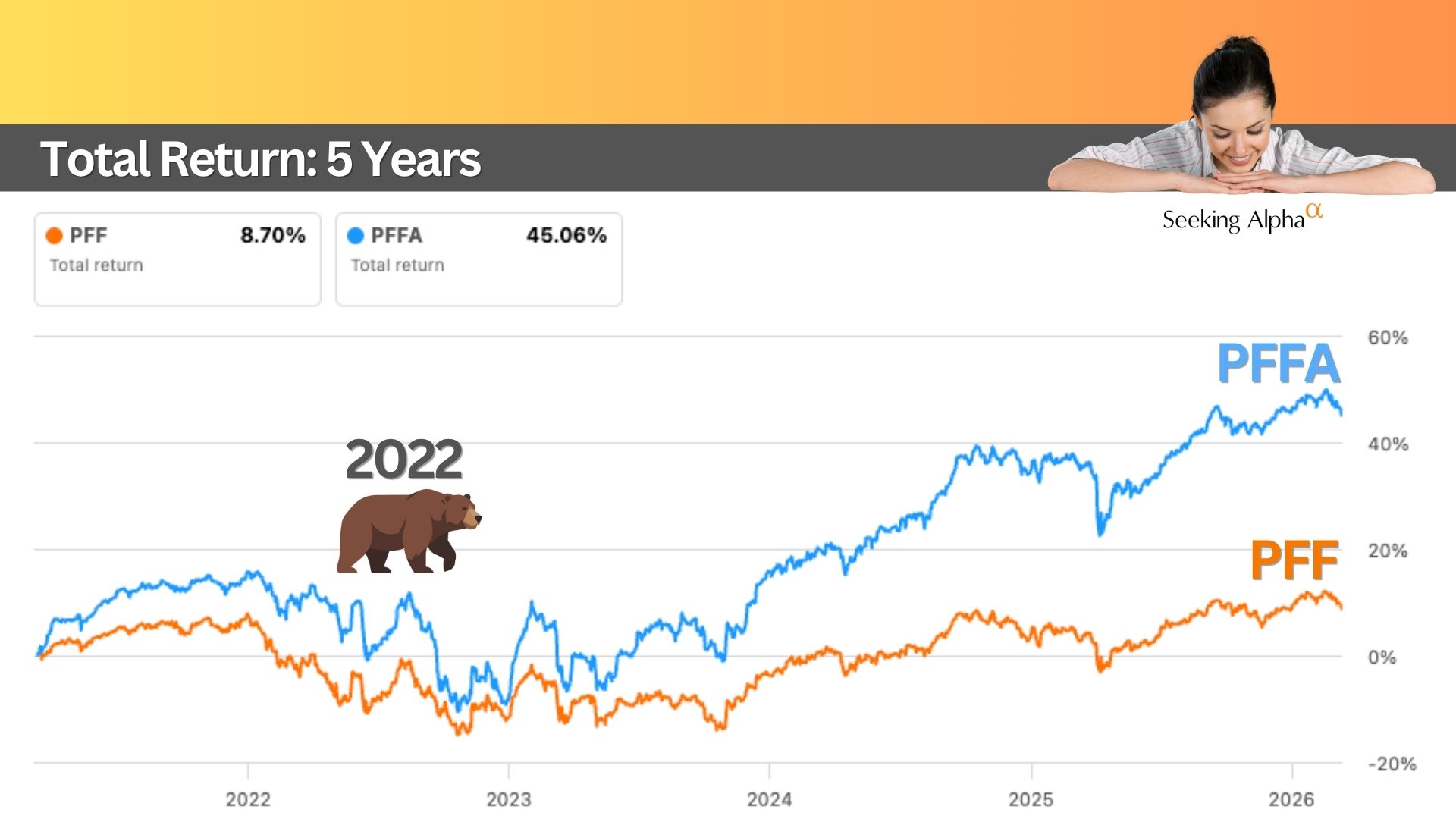
PFFA yields ~9.5% and provides exposure to over 180 preferred stocks.
Compared to the larger PFF, PFFA delivers stronger total returns and more consistent income.
International Exposure – NIHI & IDVO
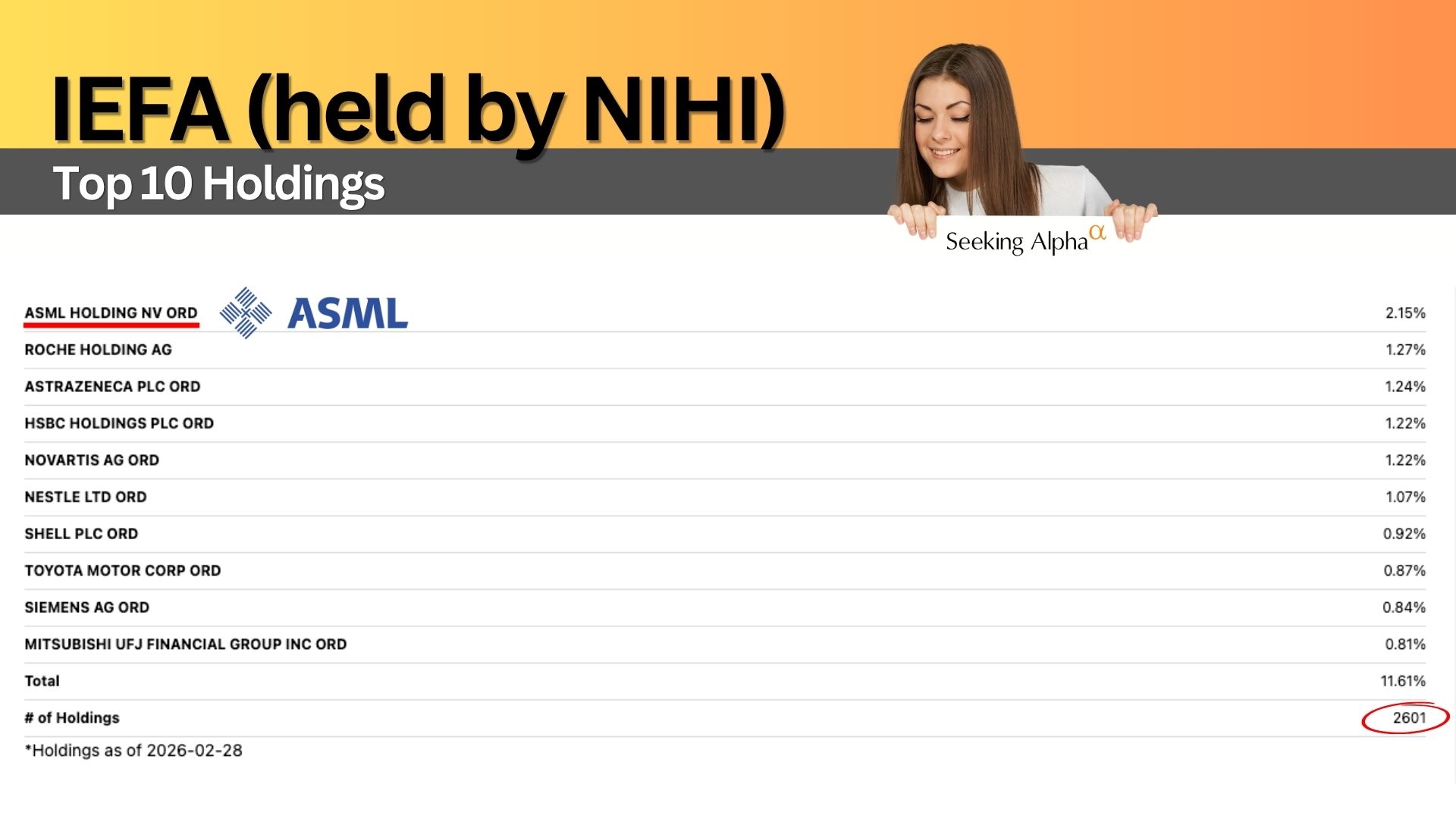
NIHI yields ~10% and adds global diversification plus currency exposure.
It holds IEFA and boosts income through options.
IDVO complements this with a more growth-focused approach.
BDC Exposure – ARCC & PBDC
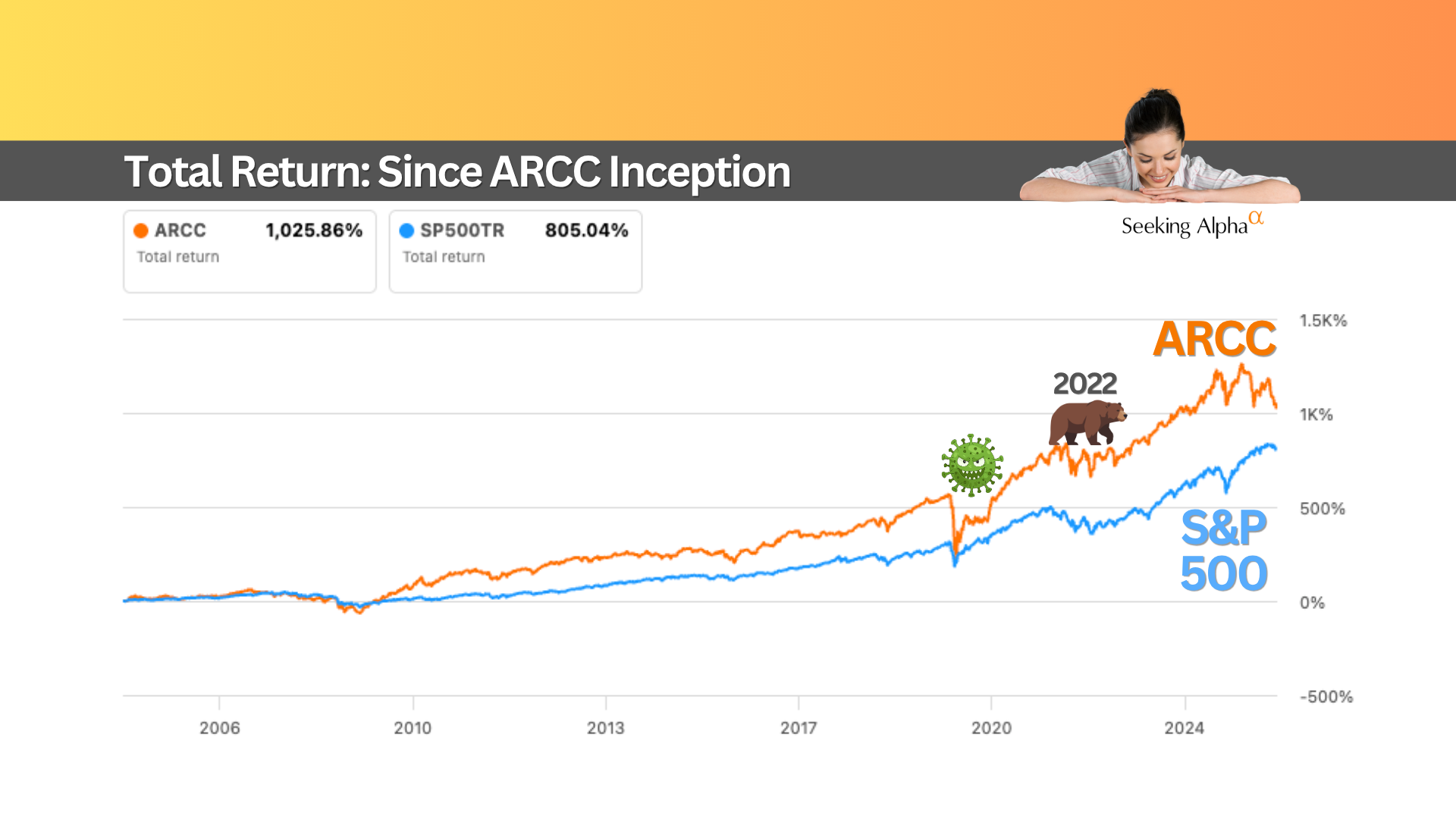
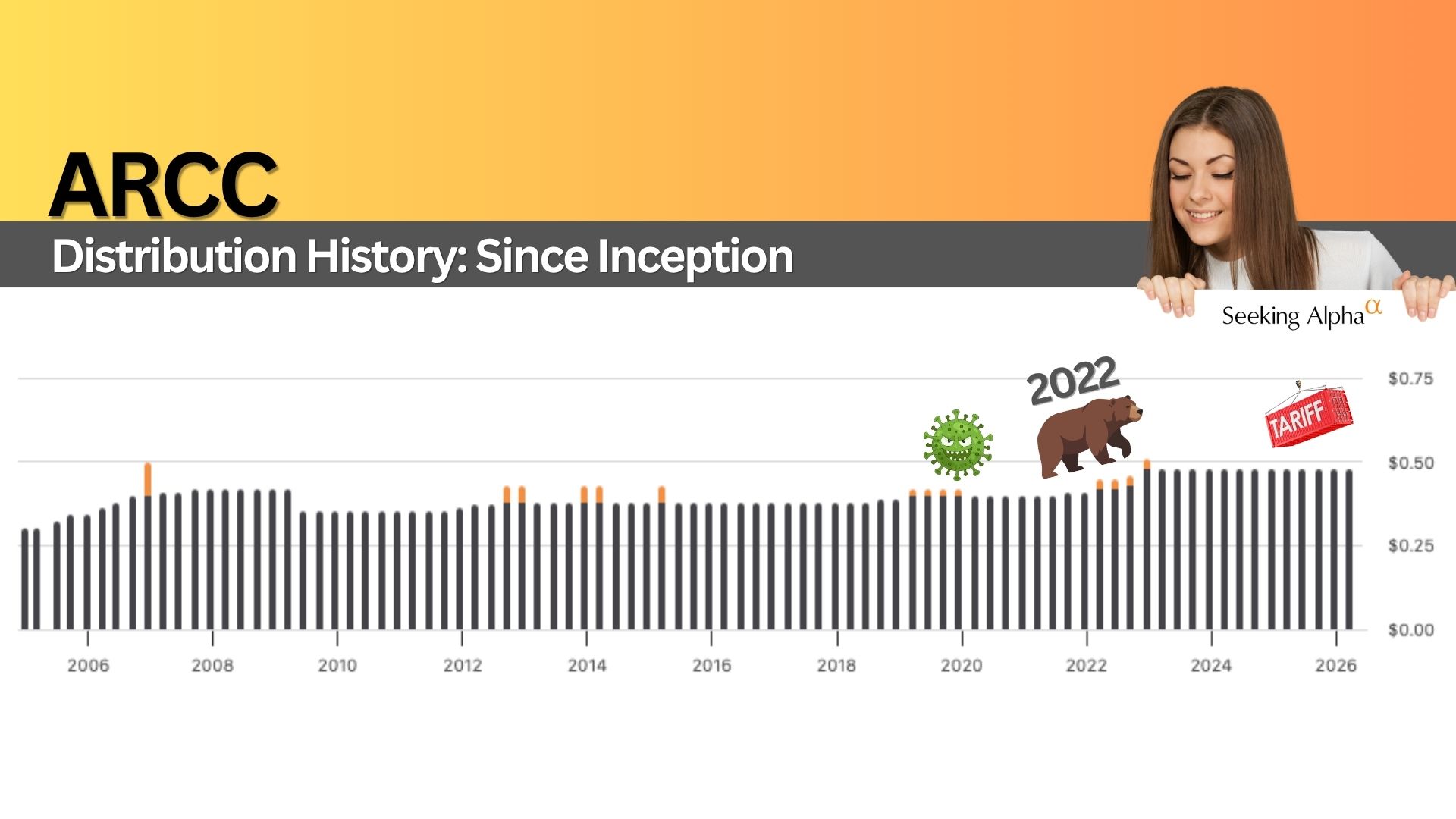
ARCC yields ~10.6% and remains a reliable income generator with a long track record.
PBDC offers diversified exposure across multiple BDCs, yielding ~12%.
The key here is consistency—income remains strong even during market stress.
QDVO – Growth + Income Hybrid
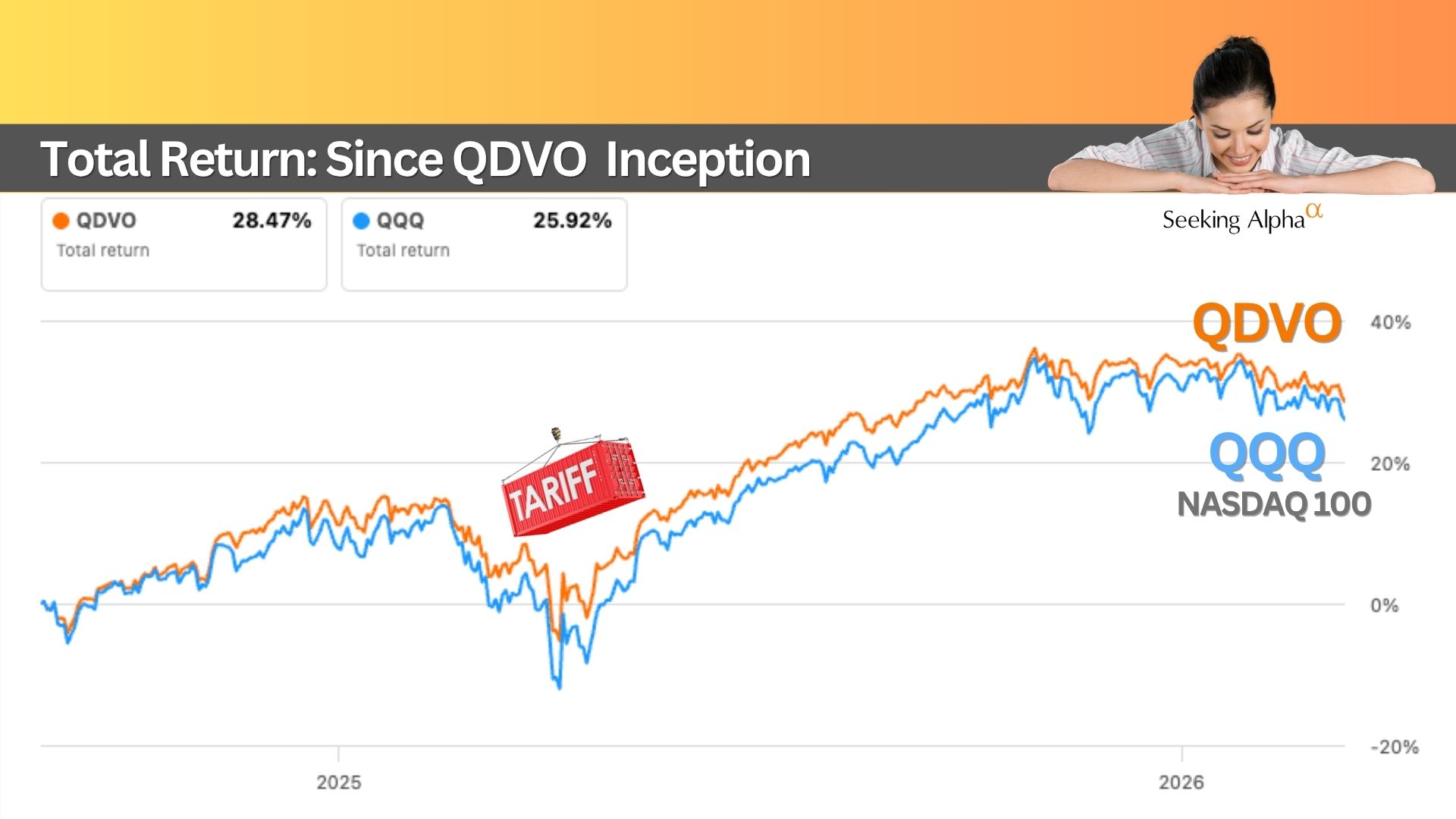
QDVO yields ~11%.
It’s more volatile, but its strength lies in total return. With a concentrated, tech-heavy portfolio, it has kept pace with the Nasdaq.
FSCO – The Risky One
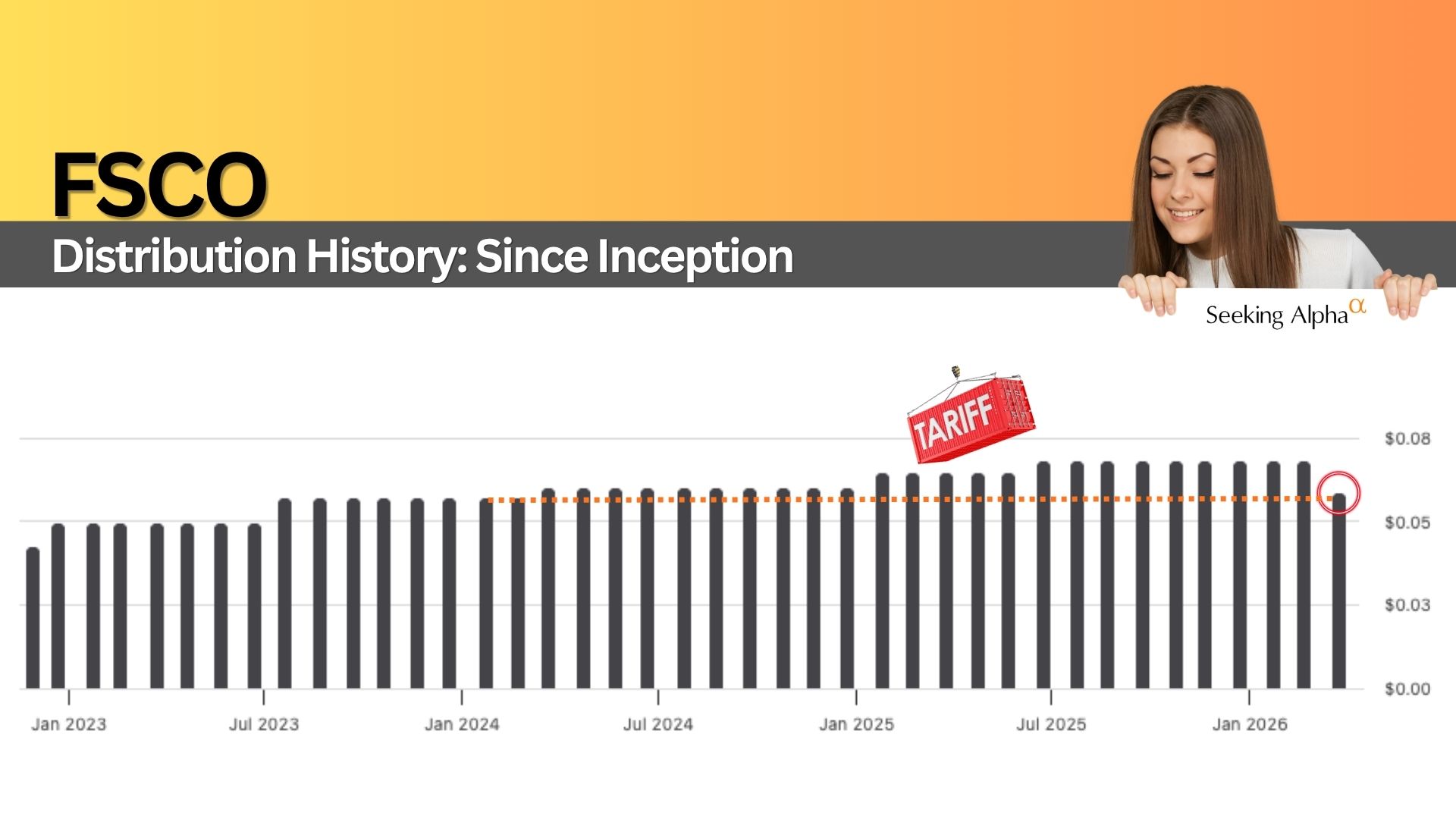
FSCO yields over 14%, but comes with trade-offs.
A recent dividend cut reflects weaker income generation. However, the fund trades at a large discount to NAV, which offsets some concern.
For now, I’m holding—not adding, not selling.
What Changed
I exited positions like JBBB due to declining yields in a falling rate environment.
Others, like BST, became less predictable after strategy changes.
This is part of managing an income portfolio—adjusting when conditions change.
The Big Picture
These 10 holdings reflect my approach:
Diversification across asset classes
Balance between income and growth
Focus on sustainability over time
To learn more, click here for the full Review.
Want to see how these funds fit into a real-world retirement strategy? I share my full portfolio and monthly updates for free, here: Armchair Insider. If you want to learn from other Income Investors (I do!), check out the Armchair Insider Lounge.