
 Stock Analysis
 General
 Library
These S&P 500 covered call ETFs now manage more than $50 billion combined. The monthly income is attractive, especially for retirees, two offer meaningful tax advantages, and there’s still potential for upside.
At first glance, JEPI, SPYI, and GPIX look very similar. All three are based on the S&P 500. All three sell call options to generate income. All three have multi-year histories and billions in assets.
But the differences become clear when we compare income, performance, strategy, and taxes.
Distribution History
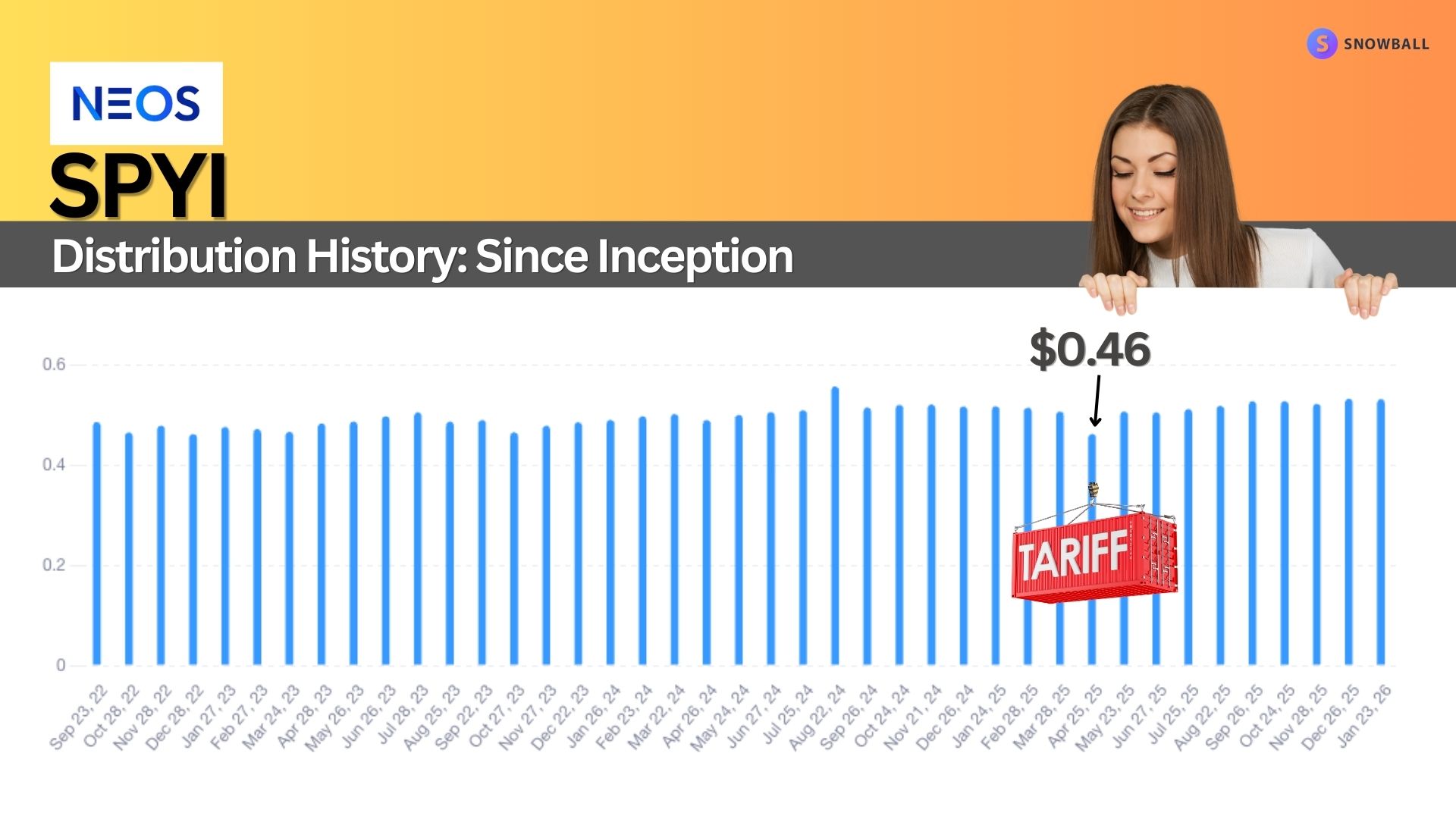
JEPI’s income fluctuates the most.
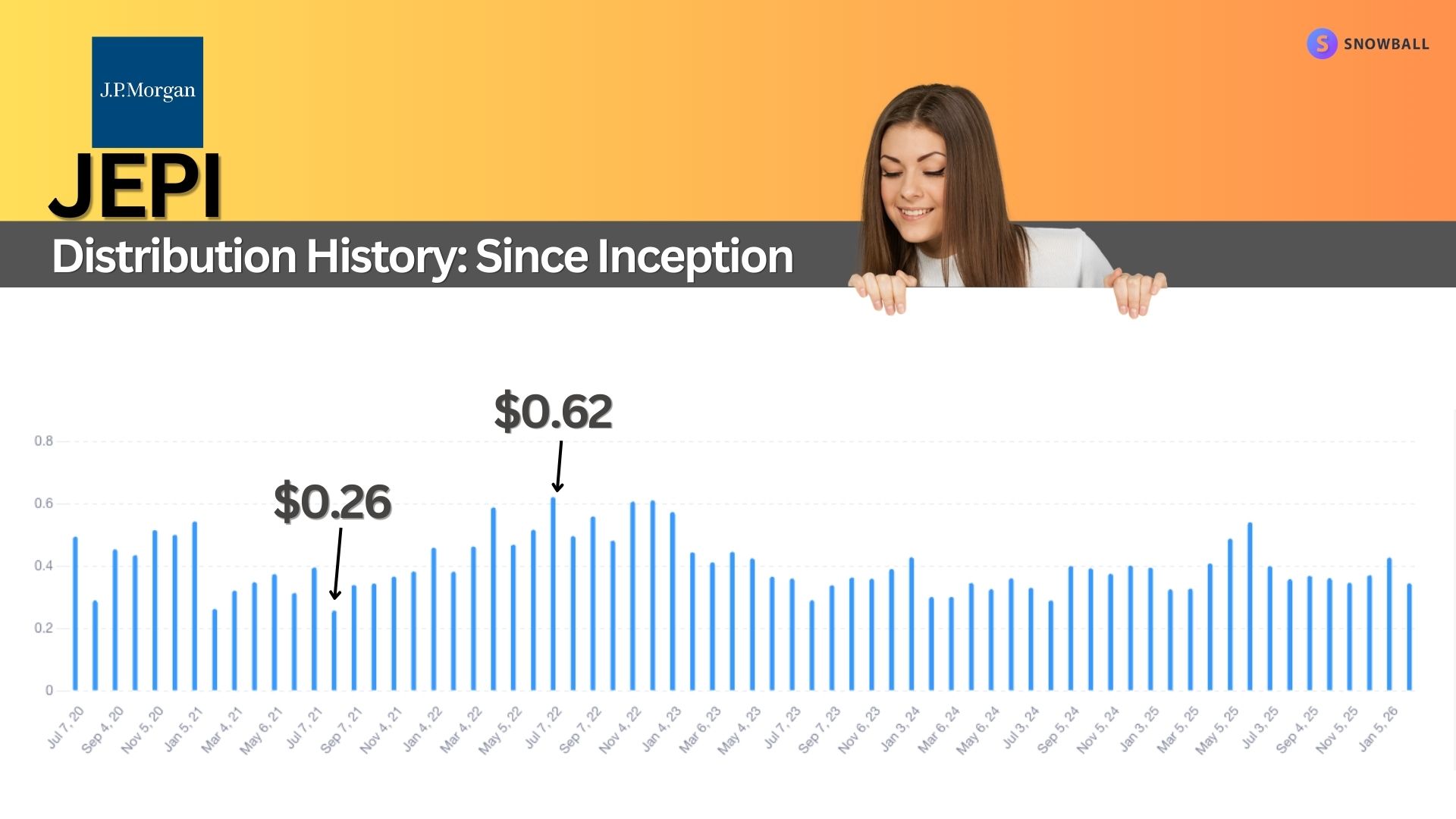
SPYI, by contrast, has been much more consistent, generally paying in the high-40 to low-50 cent range, with only minor dips during market stress.
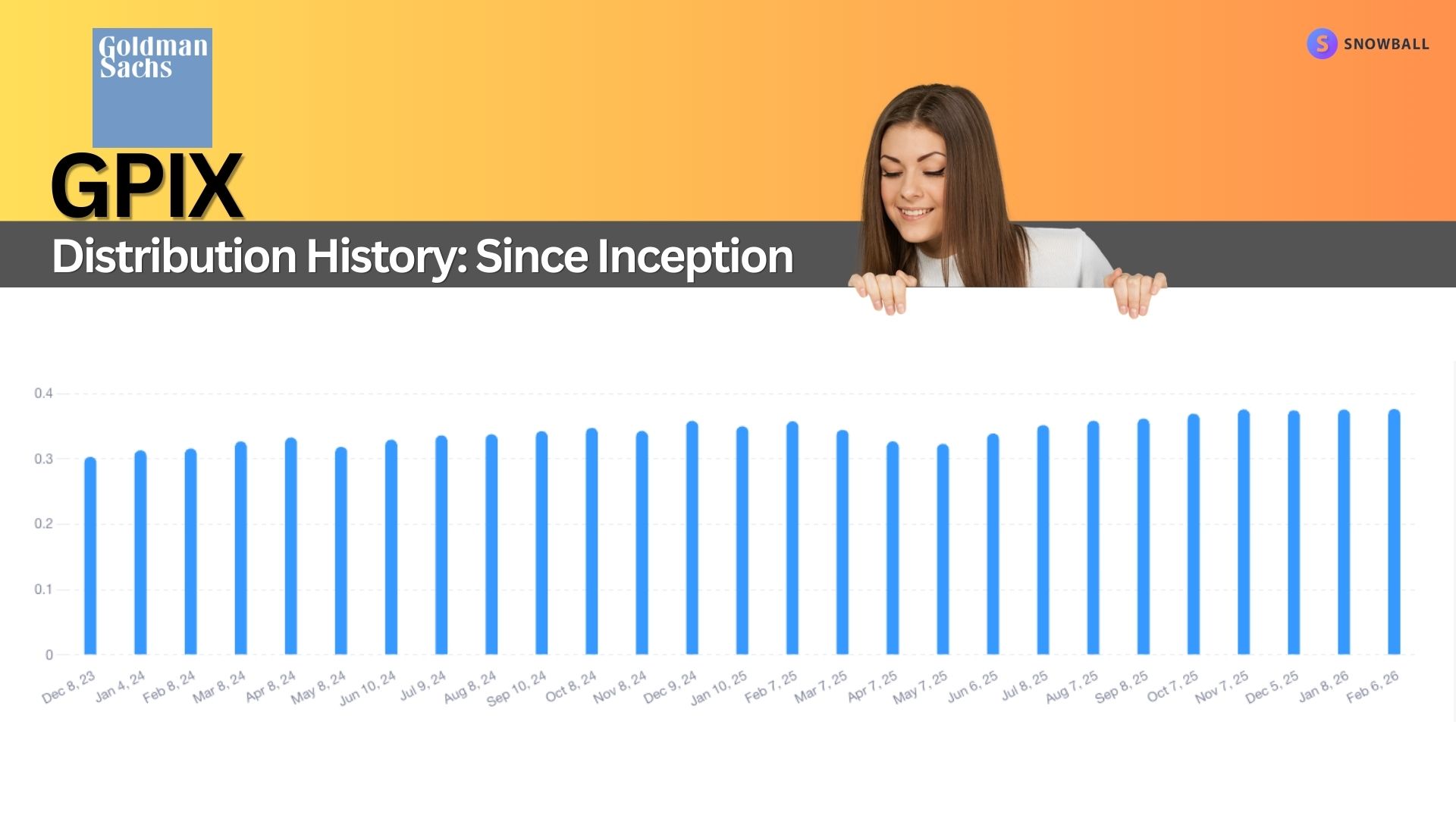
GPIX, the newest of the three, also shows strong consistency, although at a lower yield around 8% compared to SPYI’s near-12%.
Total Return Tells the Bigger Story
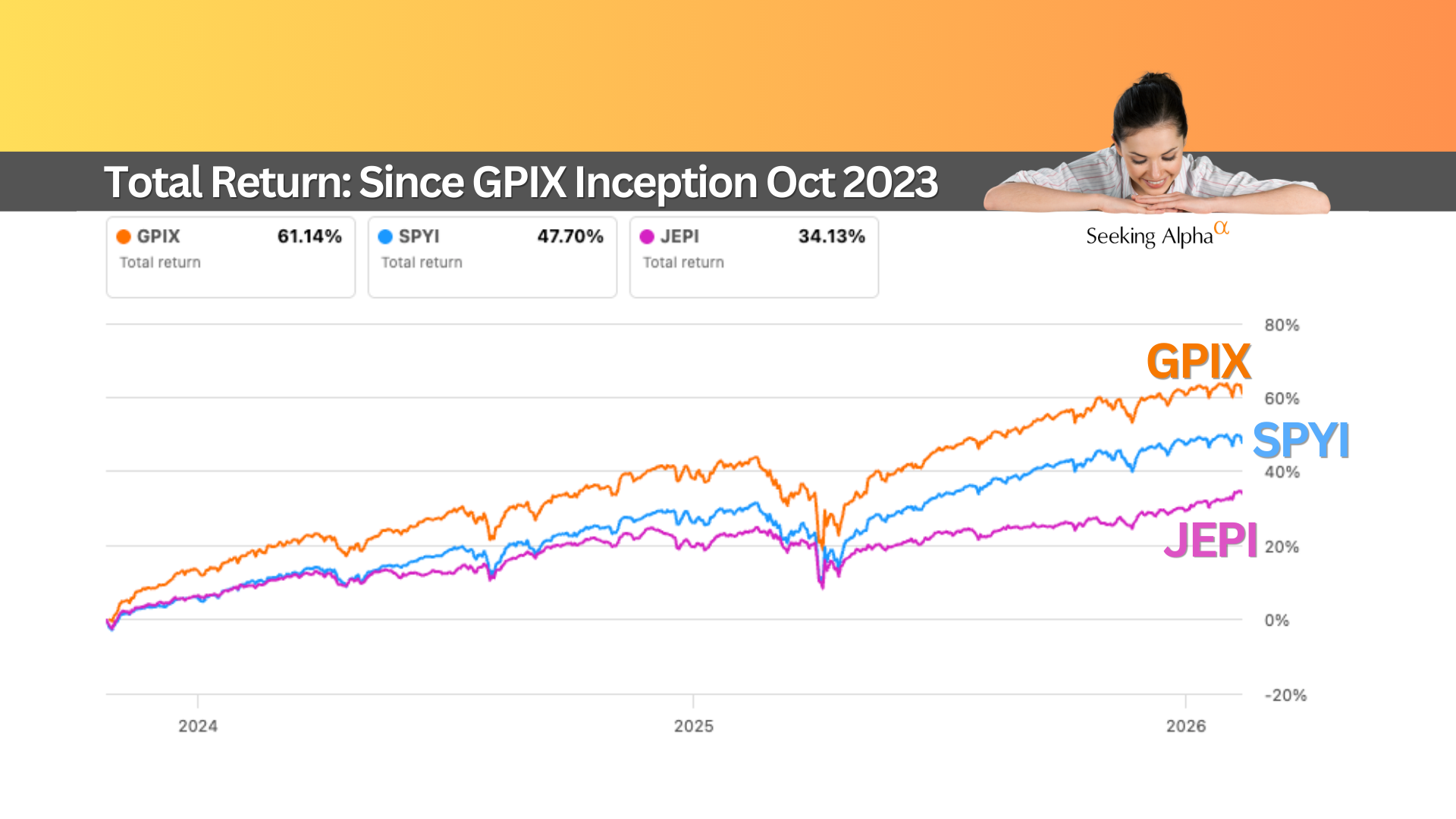
Price charts alone ignore income. When we include reinvested distributions, the separation becomes obvious.
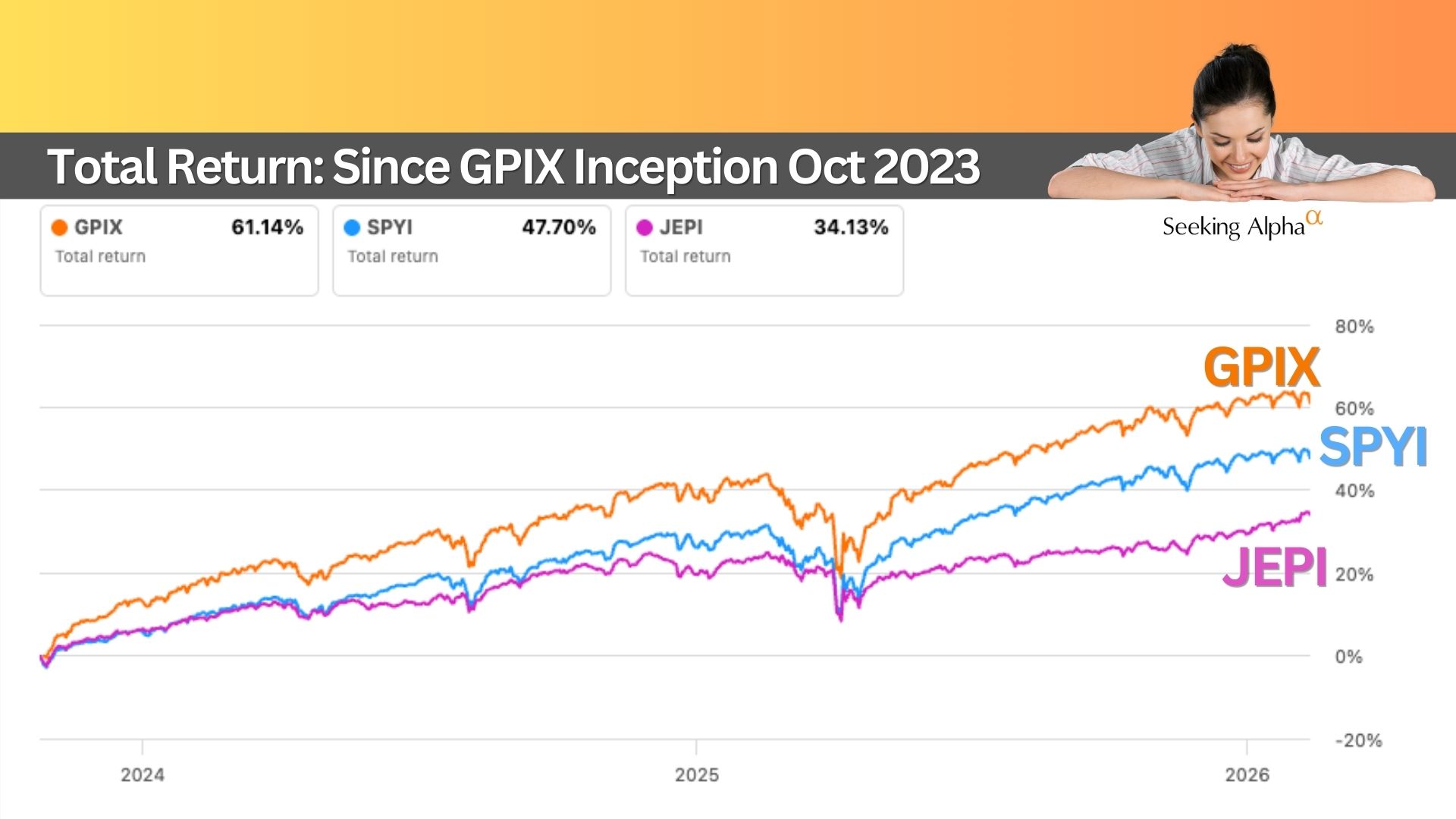
Since October 2023, GPIX has delivered the strongest total return. SPYI ranks second, helped by its higher yield. JEPI lags behind both.
GPIX has nearly doubled JEPI’s total return over the same period.
Strategy Differences
SPYI and GPIX closely mirror the S&P 500’s top holdings, while JEPI leans toward value stocks and away from heavy tech exposure.
SPYI sells call options on a larger portion of its portfolio, prioritizing income. GPIX overwrites less, allowing more upside participation in strong markets. JEPI uses equity-linked notes structured through banks, which offer less transparency into the underlying option trades.
These strategic differences largely explain the performance spread.
Taxes and Fees
Fees are competitive. GPIX charges about 0.29%, JEPI 0.35%, and SPYI 0.68%.
Tax treatment is where SPYI and GPIX stand out. Both distribute a high portion of Return of Capital, which defers taxes until shares are sold and converts income into capital gains. JEPI distributes mostly ordinary income, making it less tax efficient for many investors.
My Take
GPIX is my favorite of the three. It balances income with capital appreciation and has delivered the strongest total return so far.
That said, I also hold SPYI. If markets move sideways or decline, SPYI’s higher overwrite strategy may hold up better. JEPI may shine in extended bear markets, but in most other conditions it has lagged.
There’s no perfect solution. Covered call funds sacrifice some upside in exchange for income and smoother volatility. For retirees who dislike selling shares during downturns, that trade-off can make sense.
If you’d like to watch the full review, click here: here.
Want to see how these funds fit into a real-world retirement strategy? I share my full portfolio and monthly updates for free, here: Armchair Insider. If you want to learn from other Income Investors (I do!), check out the Armchair Insider Lounge.