

 Stock Analysis
 General
 Library
SCHD has a lot going for it.
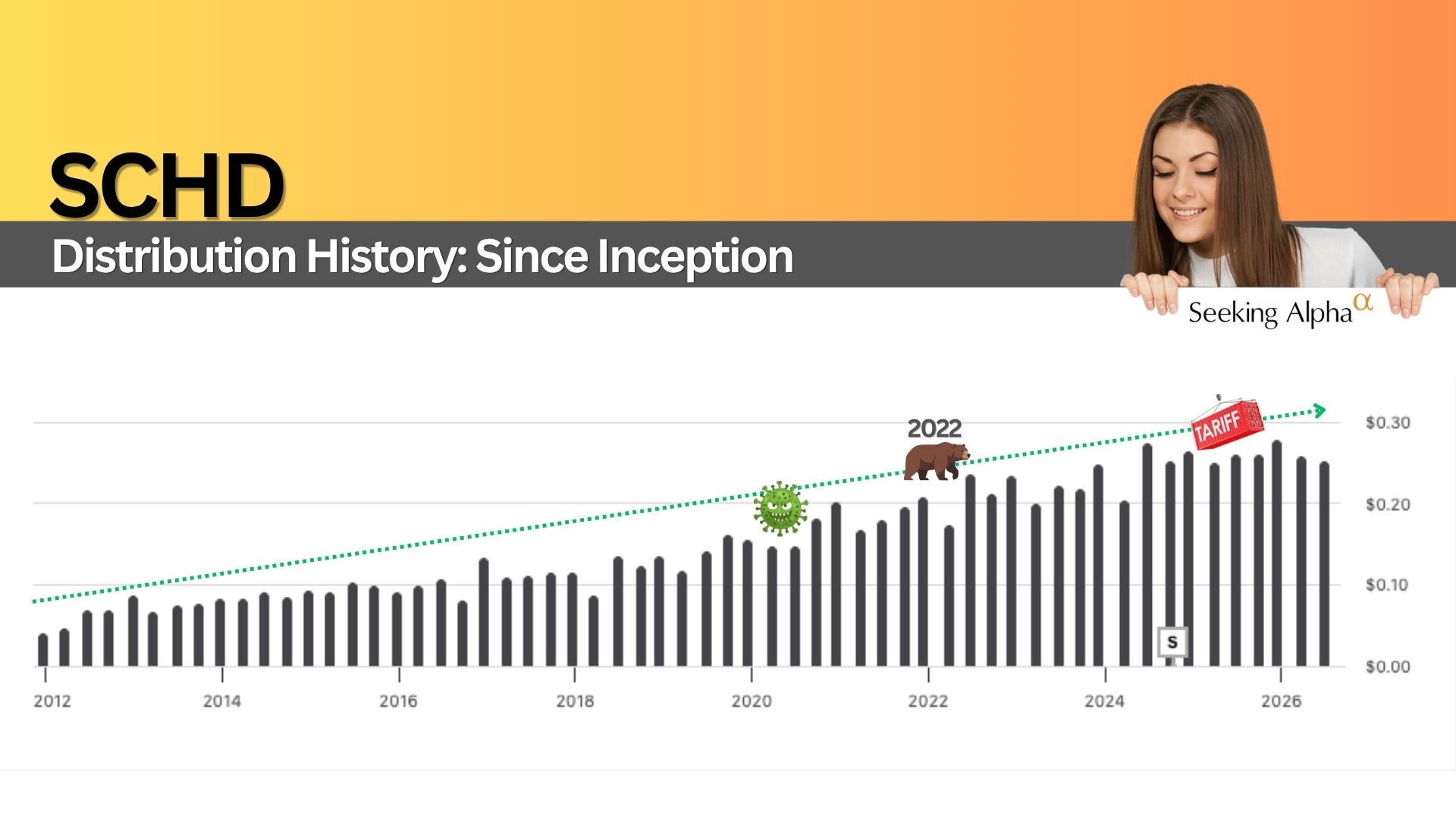
The appeal is easy to understand: one simple ETF, a rising income stream, low fees, and a strategy built around quality U.S. companies with long dividend histories. The distribution chart looks exactly the way dividend-growth investors want it to look—up and to the right.
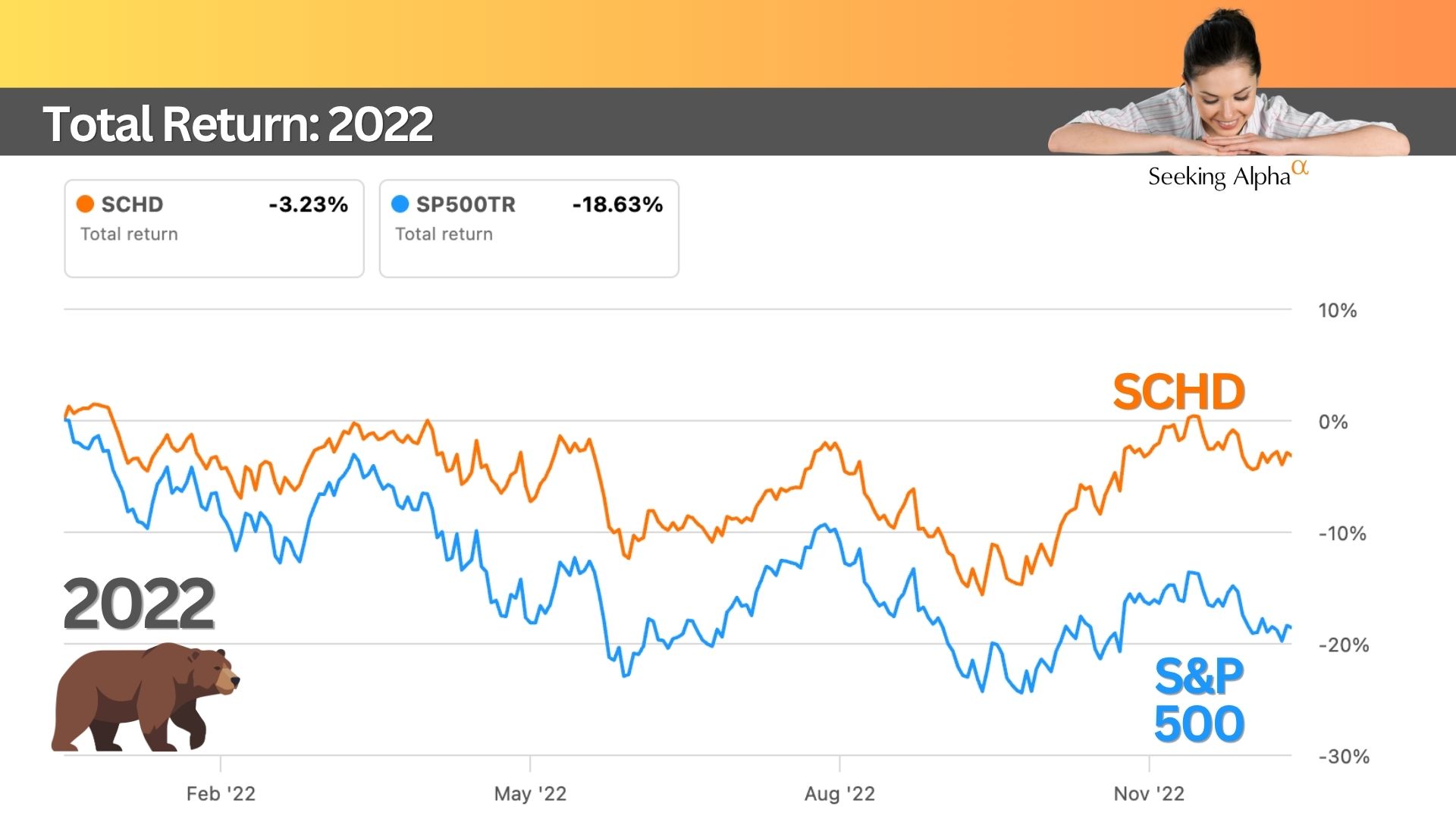
SCHD also held up well during 2022. While the S&P 500 fell sharply, SCHD declined much less. For someone nearing retirement, that lower volatility matters because a big market drop right before the paycheck stops can create sequence-of-returns risk.
Why I Didn’t Buy It
The problem is not quality. The problem is the tradeoff.
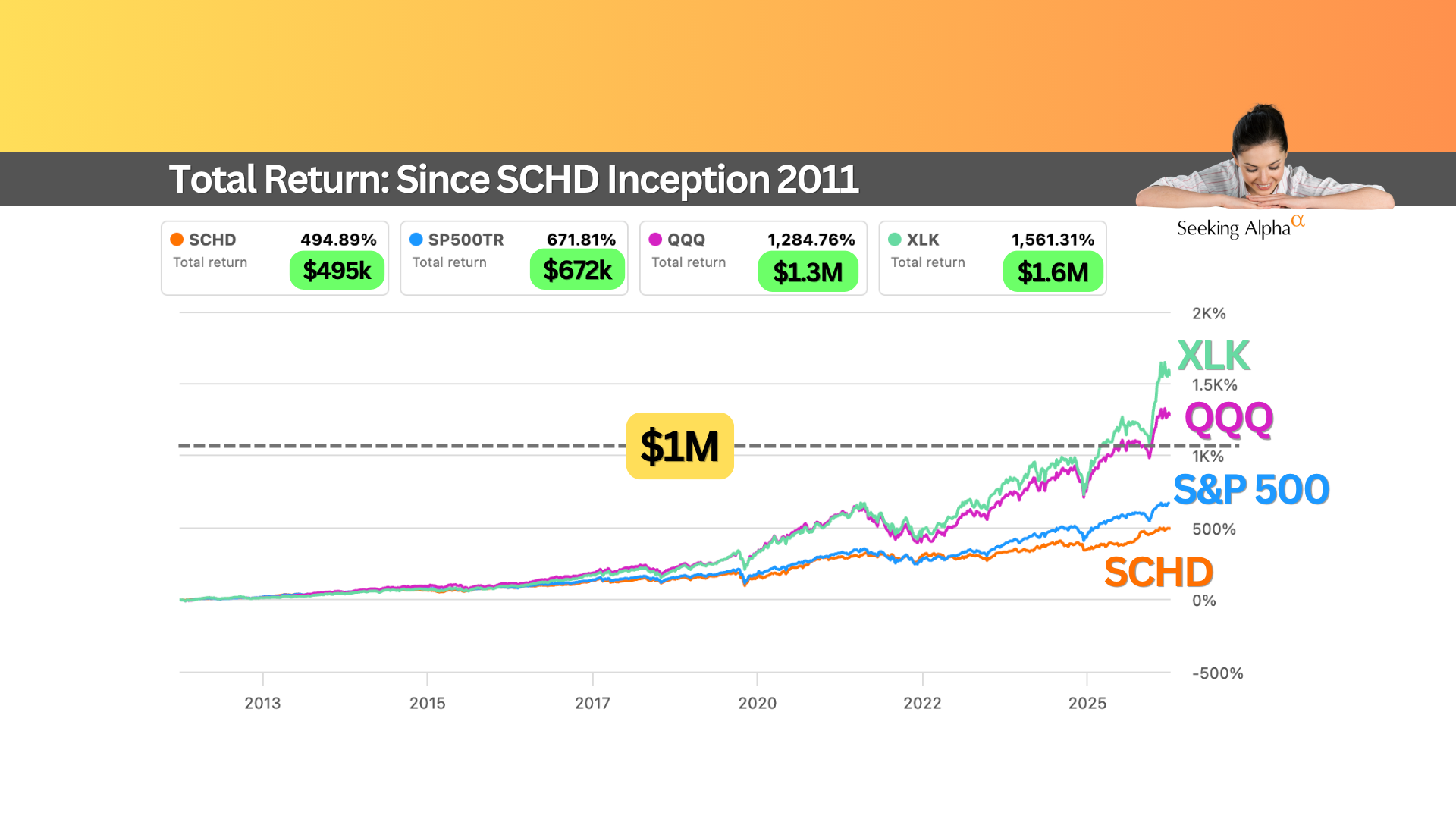
SCHD is designed for dividend growth, not maximum total return. Because it has limited exposure to technology, it missed much of the growth that powered the S&P 500, Nasdaq-100, and pure tech funds over the past decade.
That matters because retirement has two stages. Step one is building the biggest nest egg possible. Step two is turning that nest egg into income.
Using simple numbers, $100,000 invested in SCHD at inception would have grown into roughly half a million dollars. At a 3.2% yield, that produces about $16,000 of annual income. A stronger growth mix could have built a much larger nest egg, which can later be shifted into income investments.
What I Did Instead
For retirement, I wanted more cash flow.
For every $1 million invested, SCHD pays roughly $32,000 per year. My income portfolio is designed to spend around 8%, or $80,000 per year, while reinvesting the excess income.
That higher income comes from assets specifically structured for income: covered call funds, BDCs, preferred shares, midstream energy, real estate, corporate bonds, gold, utilities, healthcare, and international funds.
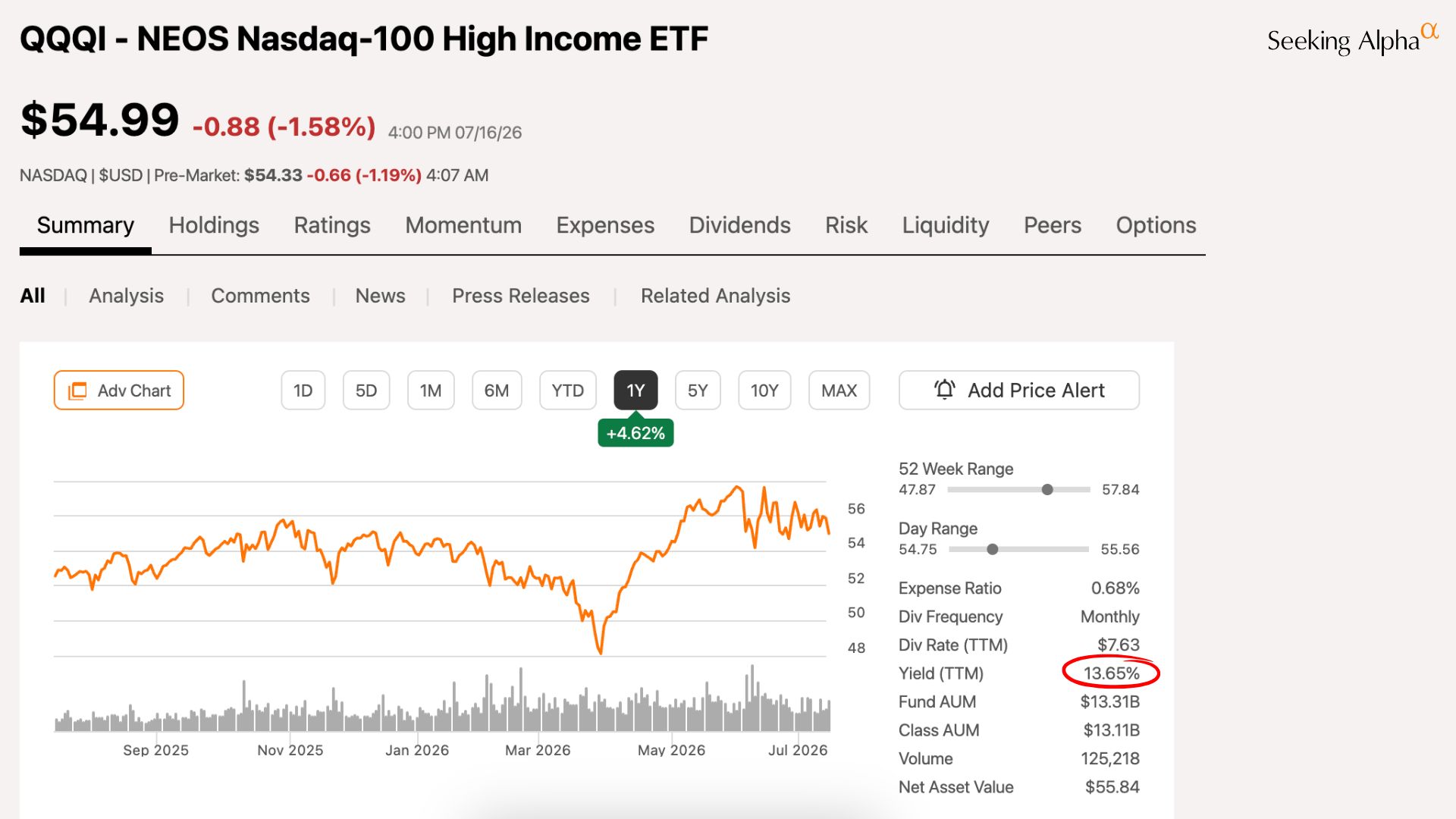
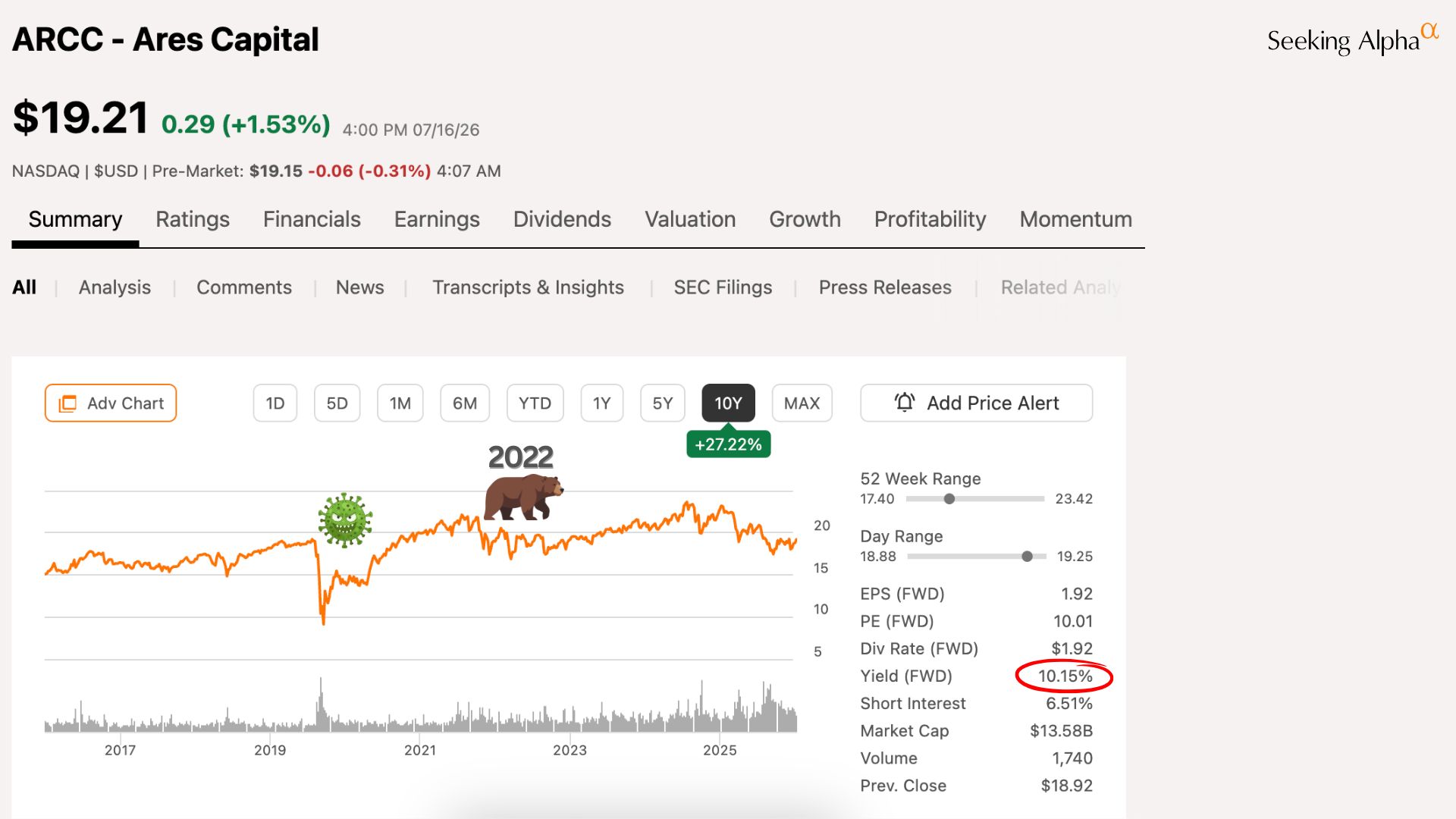
BDC investments are another example. Companies like ARCC are designed to distribute most of their returns as income, rather than reinvesting everything for growth.
My Take
SCHD can work for investors who want simplicity, dividend growth, and lower volatility. I understand why people like it.
But for my retirement, I wanted more diversification, more control, and more monthly income. SCHD is a good dividend-growth fund. It just wasn’t the best fit for the retirement income strategy I chose.
To learn more, click here for the full Review.
Want to see how these funds fit into a real-world retirement strategy? I share my full portfolio and monthly updates for free, here: Armchair Insider. If you want to learn from other Income Investors (I do!), check out the Armchair Insider Lounge.