
 Stock Analysis
 General
 Library
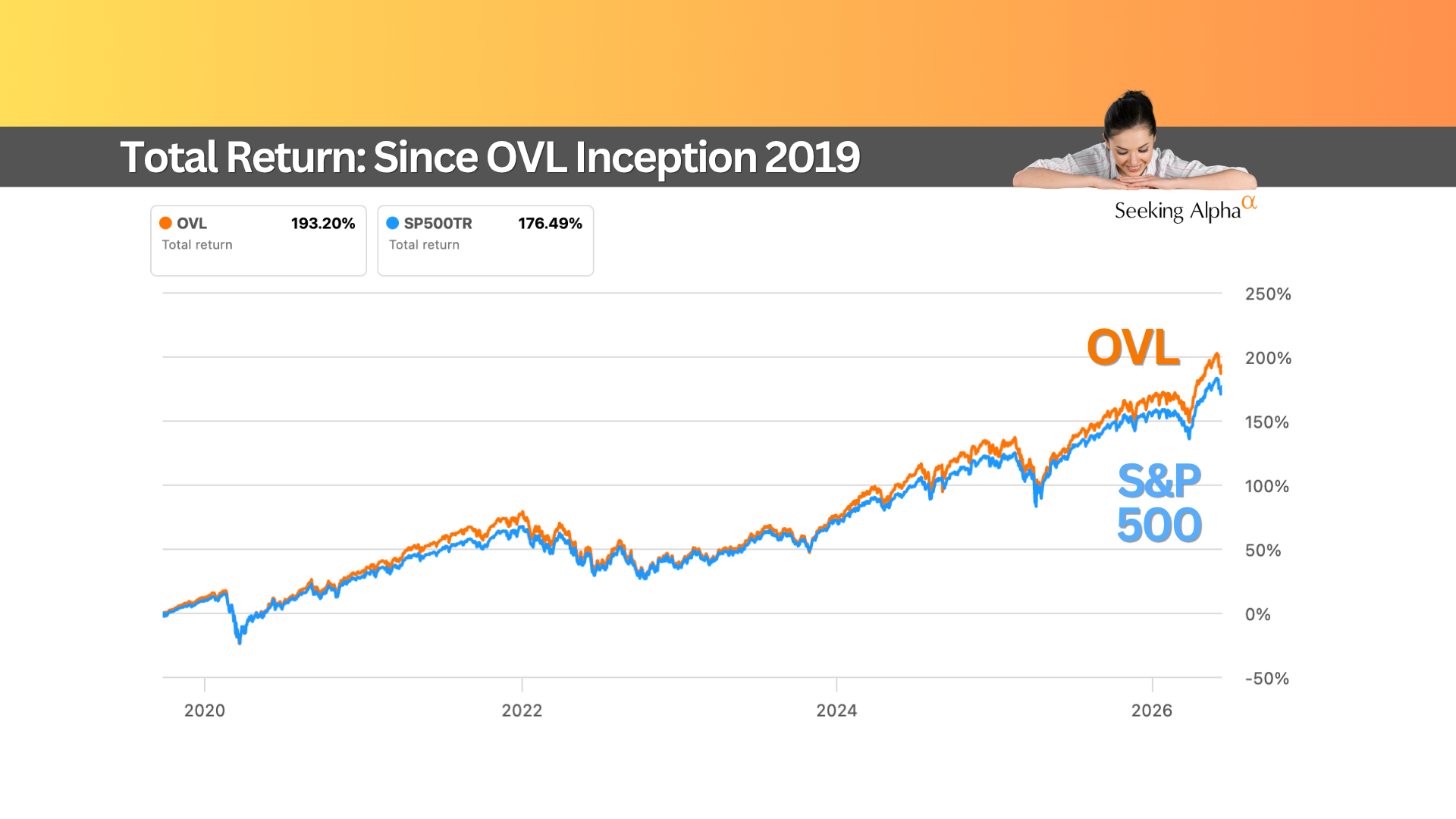
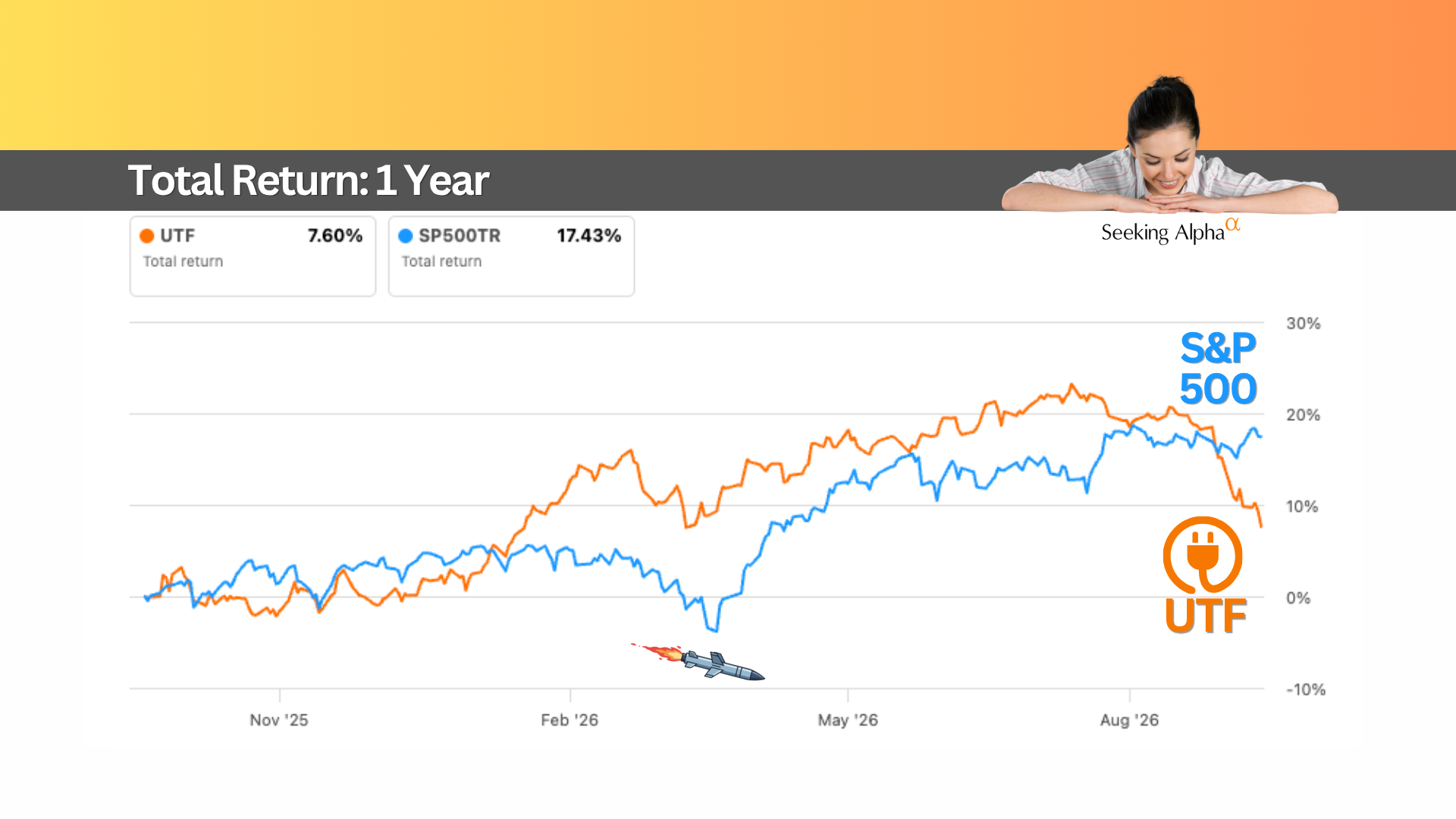
OVL distributes approximately 10.5% annually and has outperformed the S&P 500 on a total-return basis since its 2019 launch. Unlike most covered-call funds, OVL seeks to generate income without directly capping its participation in the market’s upside.
How does it work?
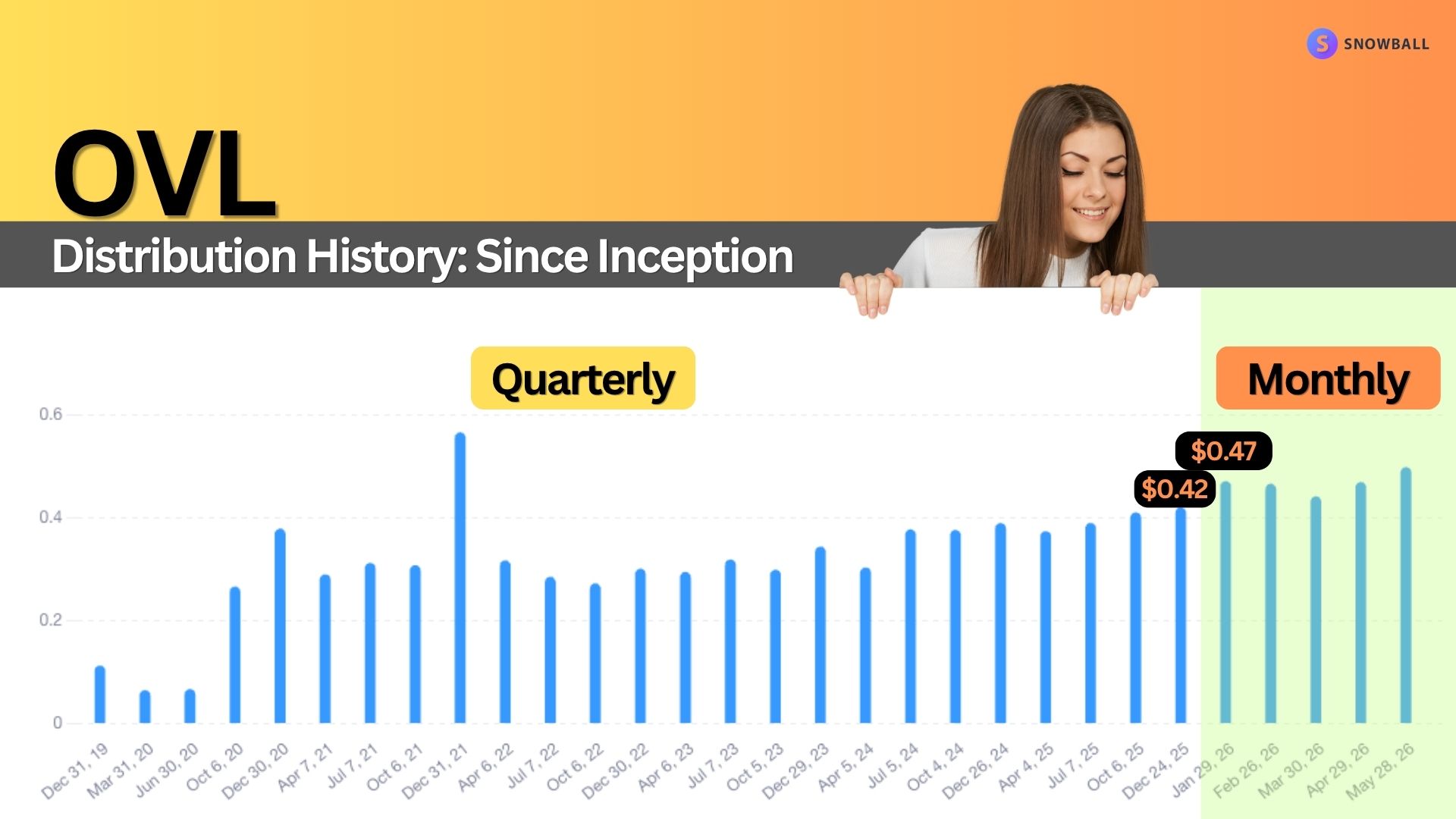
Distribution Policy: More Income, Same Strategy
One major reason OVL caught my attention is the recent change in distribution policy.
Historically, OVL paid smaller quarterly distributions. The fund was more focused on total return, with most of the return showing up as price appreciation. More recently, the payout shifted to monthly distributions targeting roughly 10.5%.
The Strategy: S&P 500 Plus Put Spreads
OVL starts with a familiar base: VOO, Vanguard’s S&P 500 ETF.
From there, it adds an options overlay using put credit spreads. This is different from covered call funds, which sell upside in exchange for income. OVL instead sells put options below the market to collect premium, then buys lower-strike puts for protection.
That creates income while keeping the upside of the S&P 500 intact.
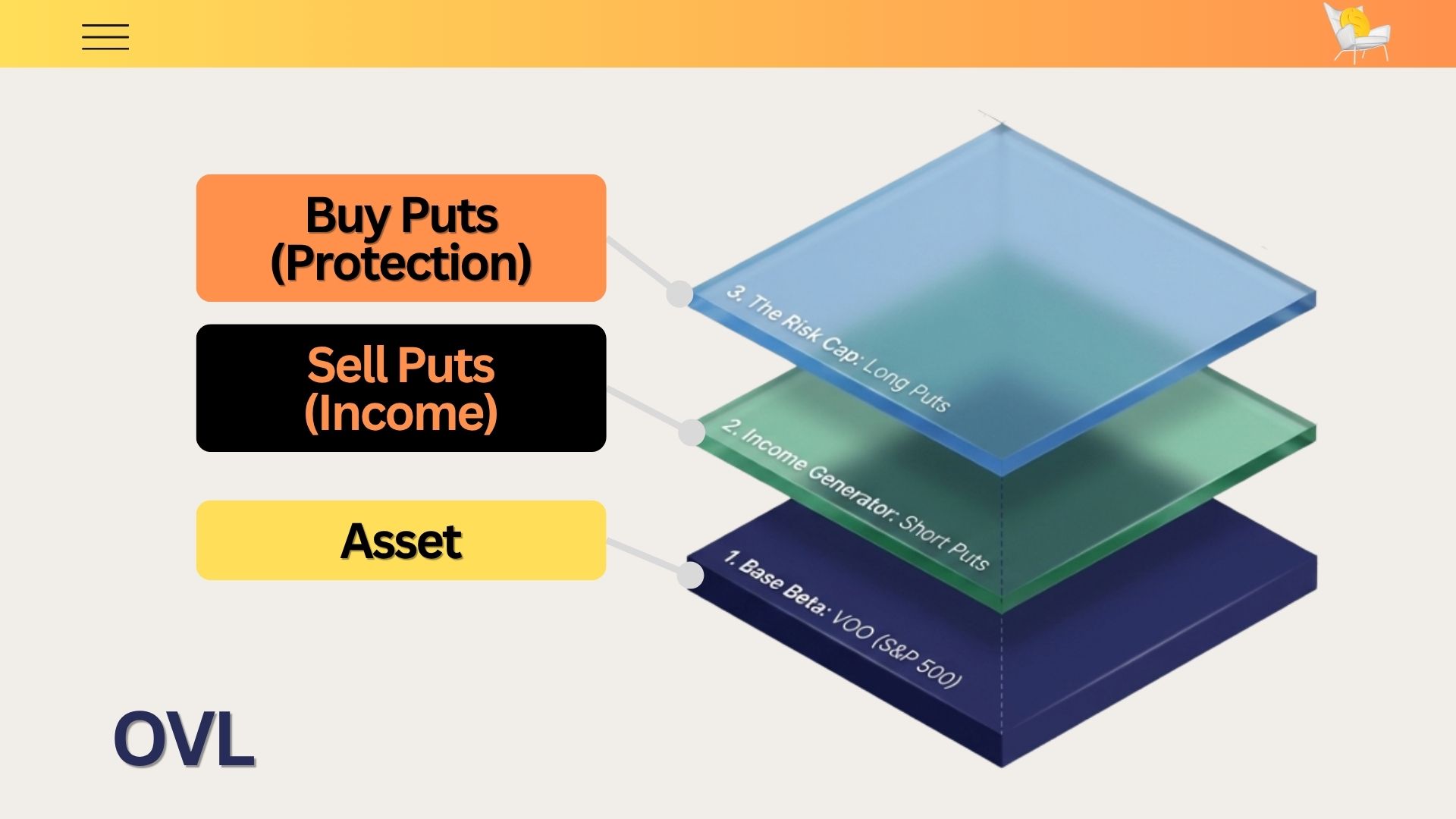
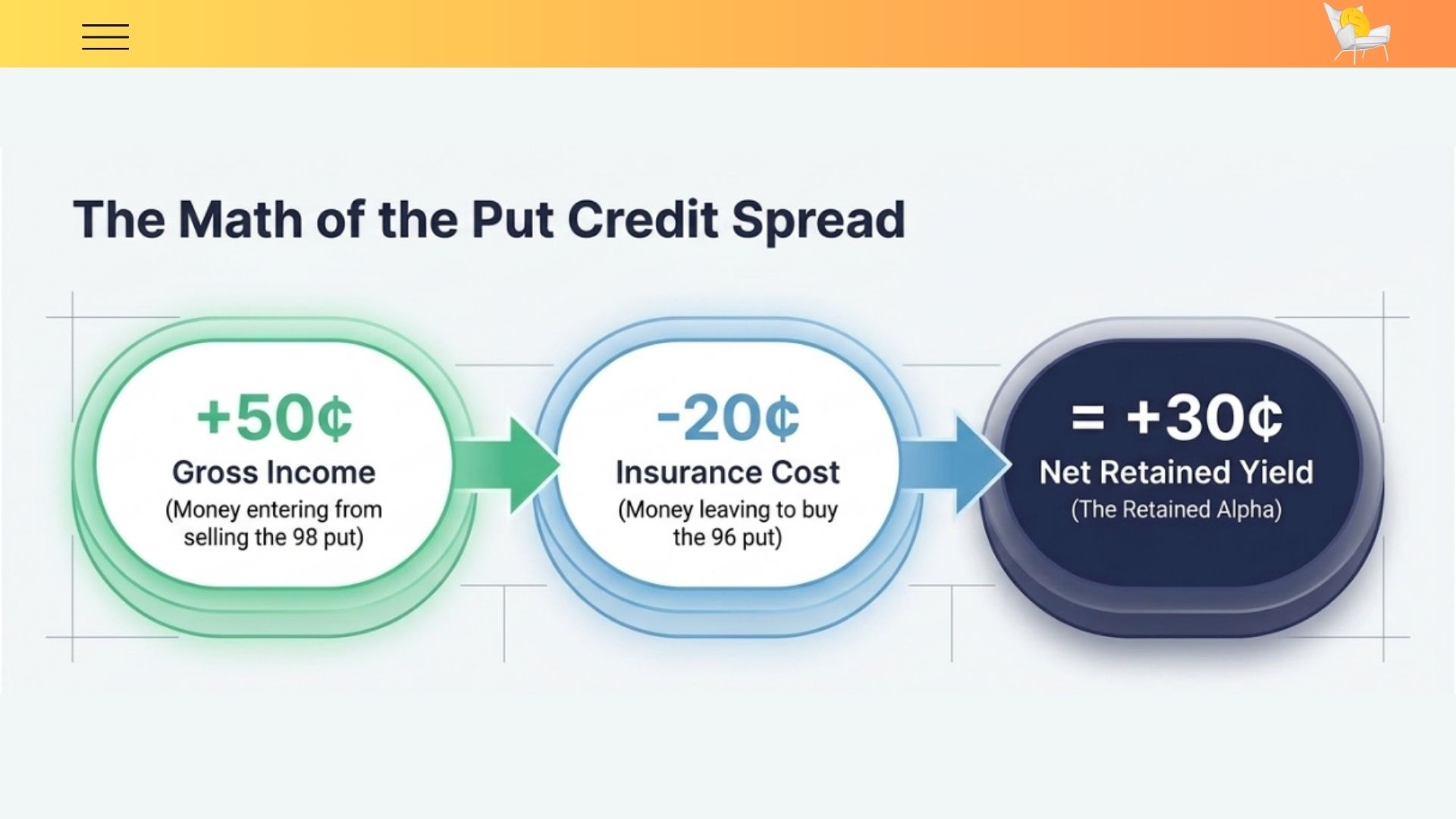
The simplified math works like this: if the S&P 500 is at 100, OVL might sell a put at 98 and buy a protective put at 96. The sold put brings in cash, while the purchased put limits the option trade’s downside.
That net premium becomes part of the fund’s income engine.
Best and Worst Market Conditions
OVL should perform best when the market is up, flat, or modestly down. In those conditions, the put spreads are more likely to expire profitably while the underlying S&P 500 position continues participating in market gains.
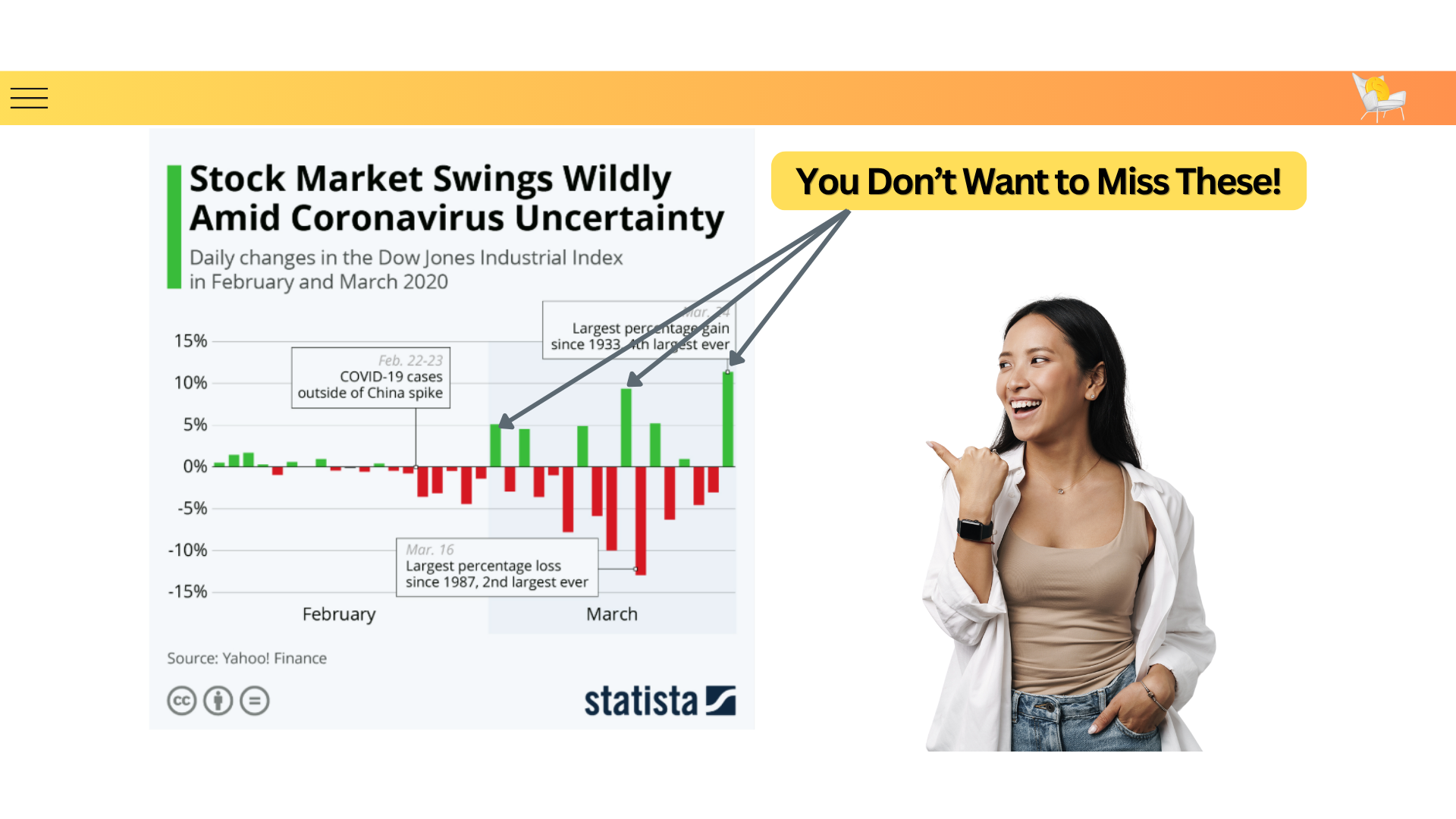
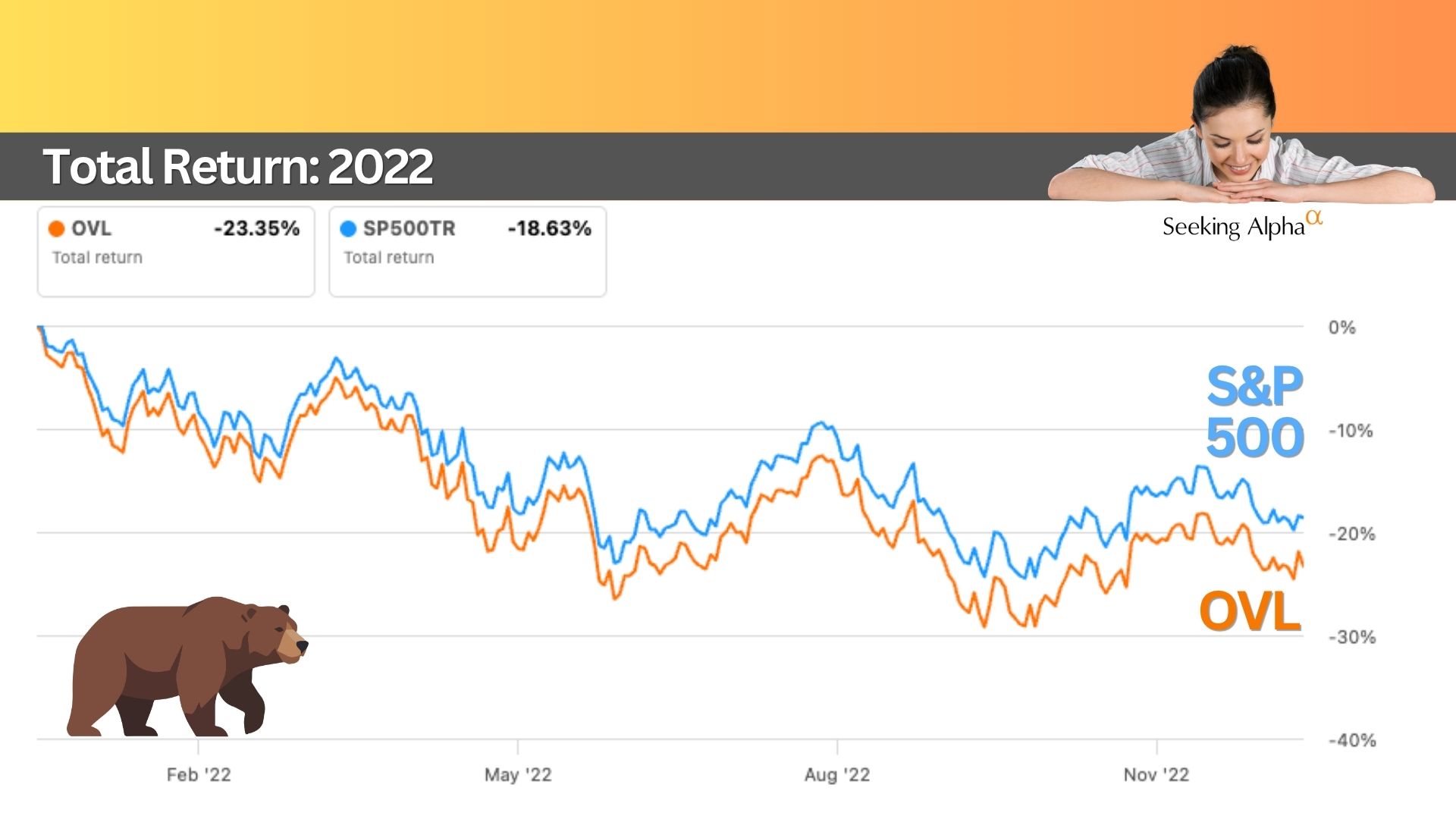
The tougher environment is a sharp or persistent drawdown. In fast market declines, the option spreads can hit their maximum loss quickly. In slower bear markets, losses can occur repeatedly over multiple option cycles.
The 2022 bear market is a useful example because it shows what happens when the market trends downward for an extended period.
My Take
OVL is interesting because it fills a gap between traditional S&P 500 investing and covered call income funds.
Covered call funds may offer smoother income and slightly less downside, but they often sacrifice upside during strong bull markets. OVL takes a different approach: maintain S&P 500 upside potential while generating income from put spreads.
That does not make it risk-free. The S&P 500 can still fall, and the option overlay can underperform during difficult drawdowns. But for investors looking for income without fully giving up equity upside, OVL deserves a closer look.
To learn more, click here for the full Review.
Want to see how these funds fit into a real-world retirement strategy? I share my full portfolio and monthly updates for free, here: Armchair Insider. If you want to learn from other Income Investors (I do!), check out the Armchair Insider Lounge.