

 Stock Analysis
 General
 Library
Income investors are always buying, but “the yield is high” is not a good enough reason on its own. Neither is “I think the price will go up.” For me, buying is less about excitement and more about improving the portfolio over time. Because my portfolio yields about 11%, I don’t like letting cash pile up while I wait for the “perfect” moment. That would mean missing out on income.
Instead, whether I’m reinvesting distributions or making a portfolio change, most of my buys are guided by four simple ideas.
1) Major Pricing Opportunities
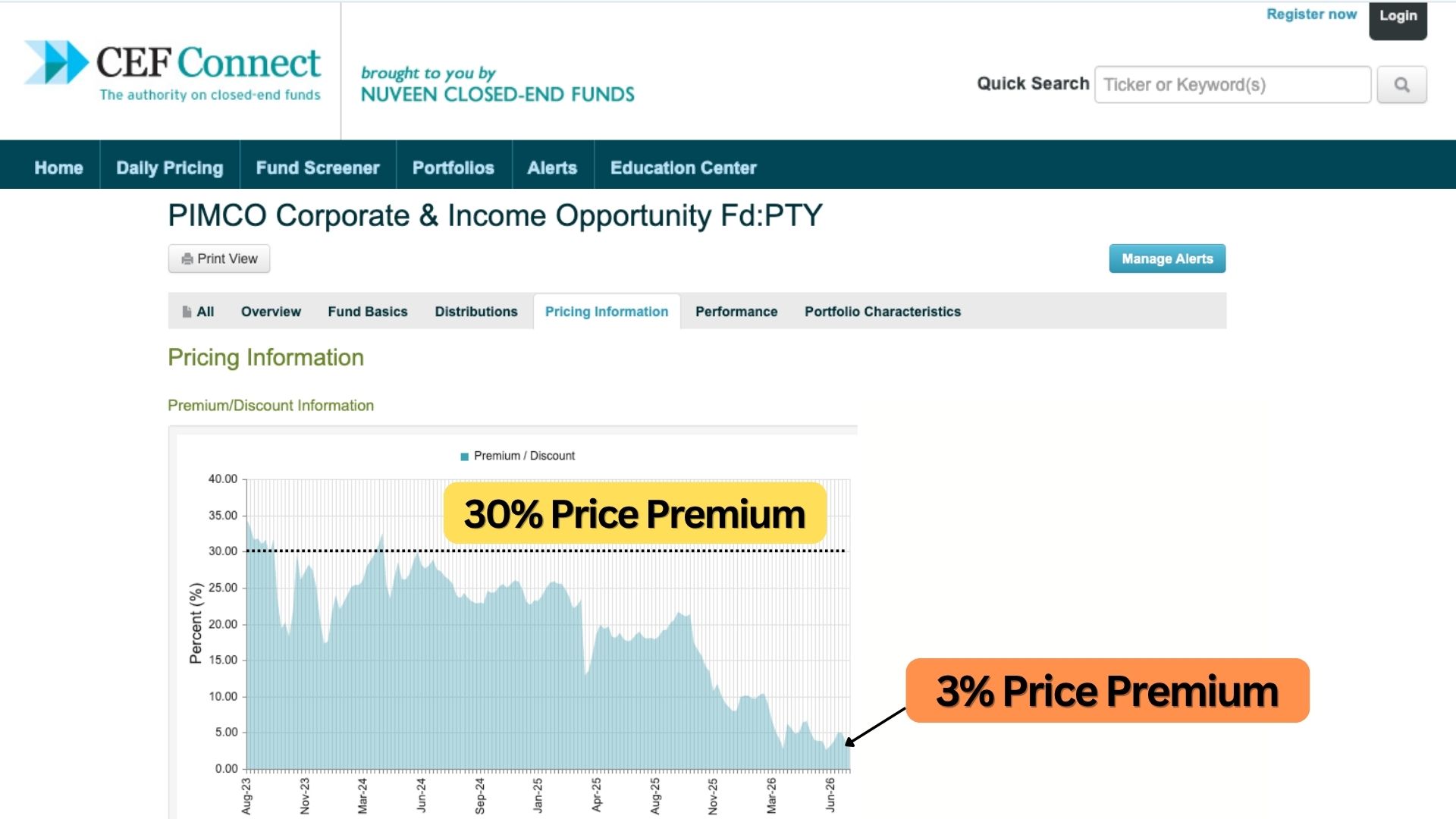
I’m not a trader, so timing is not everything, but sometimes the market gives you an obvious setup. PTY is a good example. It yields just over 12% and has paid a fairly consistent distribution for more than two decades. What caught my attention was not just the yield, but the gap between price and asset value. The fund’s NAV held up reasonably well while the market price dropped sharply, compressing a once-large premium to only a few percent.
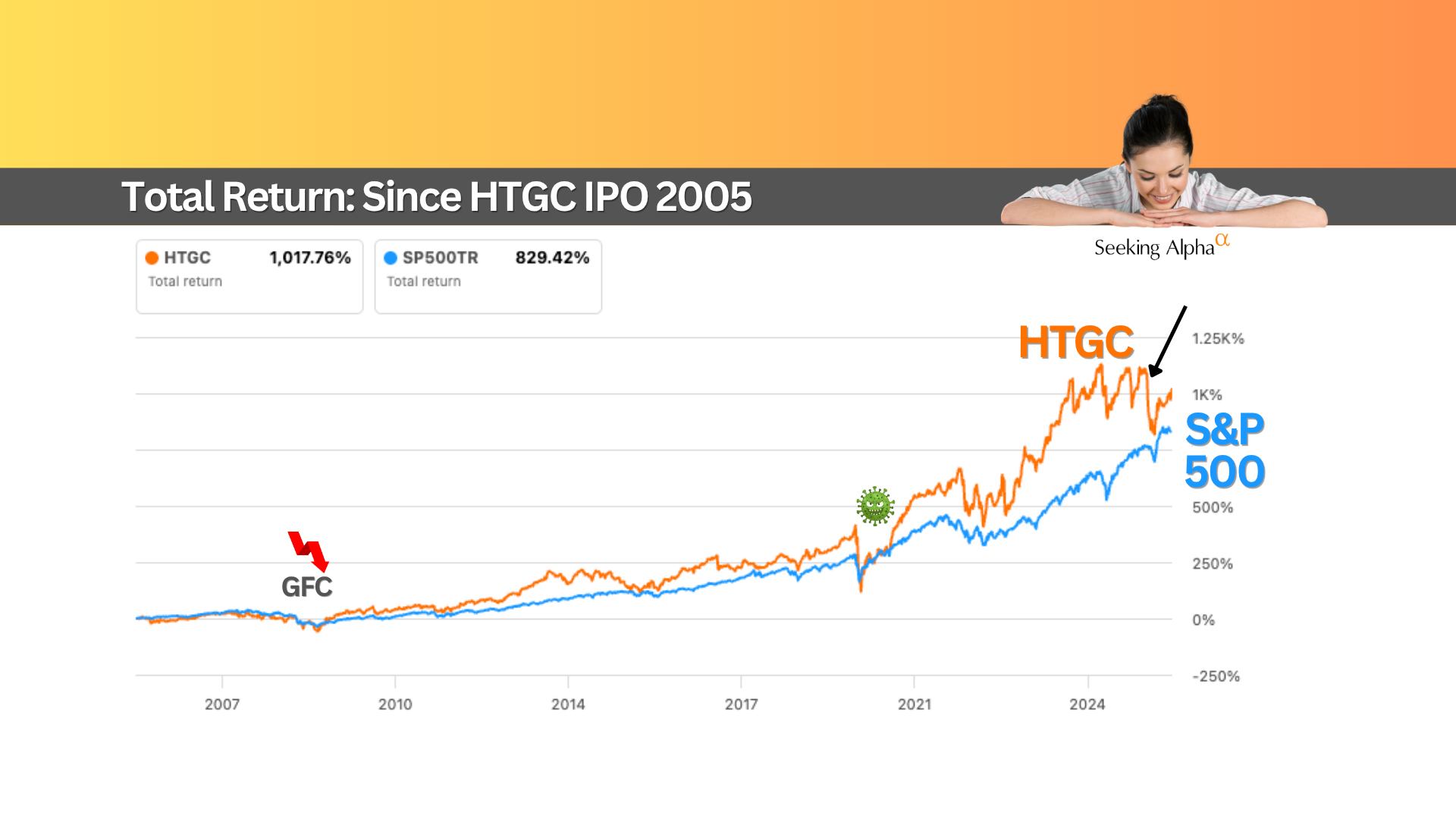
That kind of disconnect can create an opportunity — but only if you believe the market has overreacted. I saw something similar in credit-sensitive names like Hercules Capital. HTGC has slumped with credit fears, yet it continues to produce strong earnings and has a long-term return record that compares surprisingly well with the S&P 500.
2) Improving Portfolio Diversification
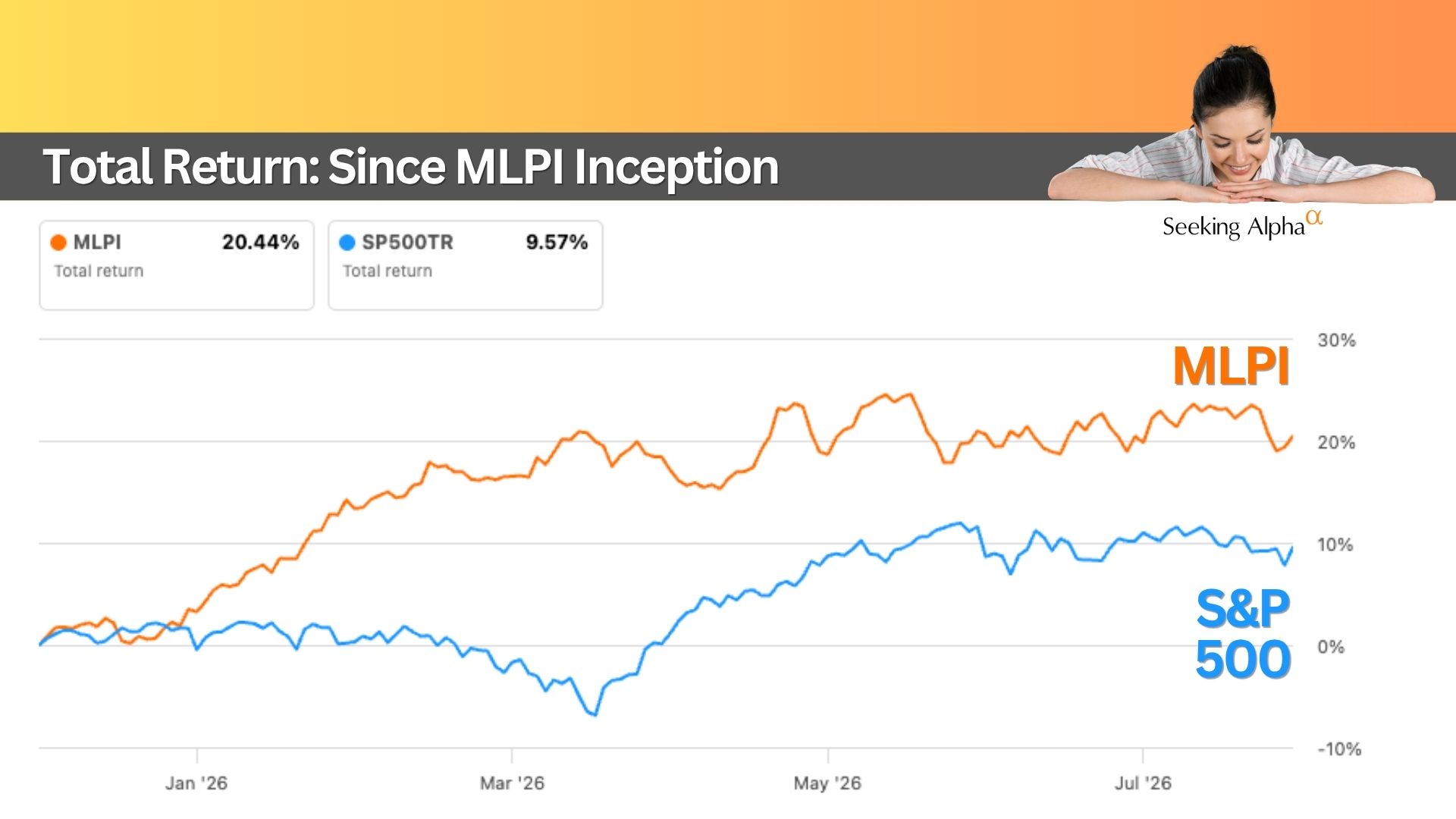
I don’t want my portfolio to rise and fall entirely with the S&P 500. That is why I look for income-producing assets with low correlation to the broad stock market. MLPI is a great example. It gives me exposure to midstream energy, yields around 10%, and often behaves very differently from mainstream equity funds.
Over the last few years, I’ve added diversification through international stocks, precious metals, Bitcoin-related income funds, and energy infrastructure. These are not short-term trades. They are long-term sources of income designed to reduce reliance on just one type of market behavior.
3) Lowering Volatility
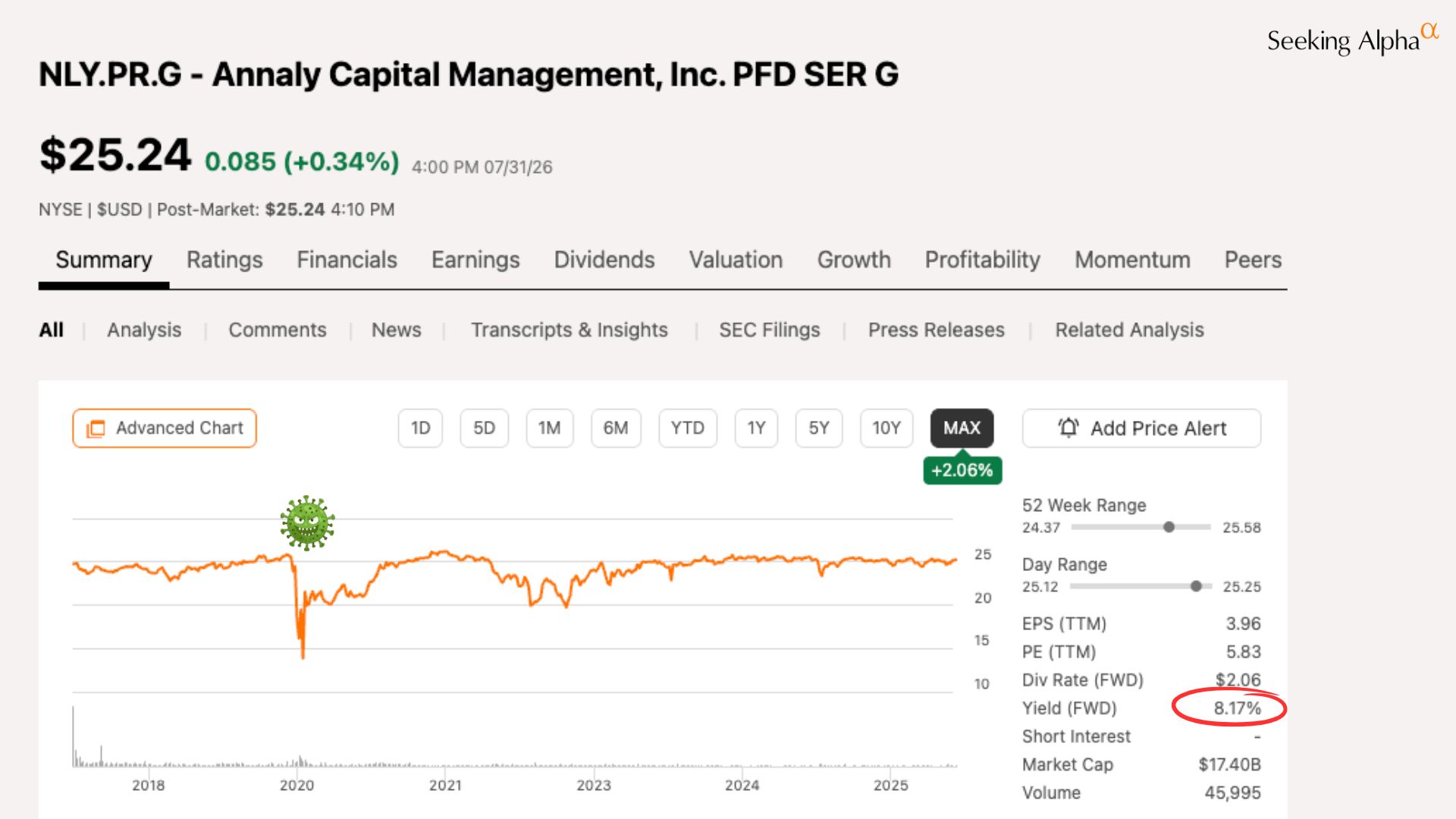
Some investments help simply because they are less volatile. Preferred shares and baby bonds will not beat the S&P 500 over time, but they can hold up much better during ordinary market pullbacks. That matters psychologically, and it can also create flexibility. If one holding stays relatively stable while another drops, I may be able to rotate capital into the better bargain.
That is part of the appeal of preferred shares like Annaly’s Series G.
4) Fund Strategy Shifts
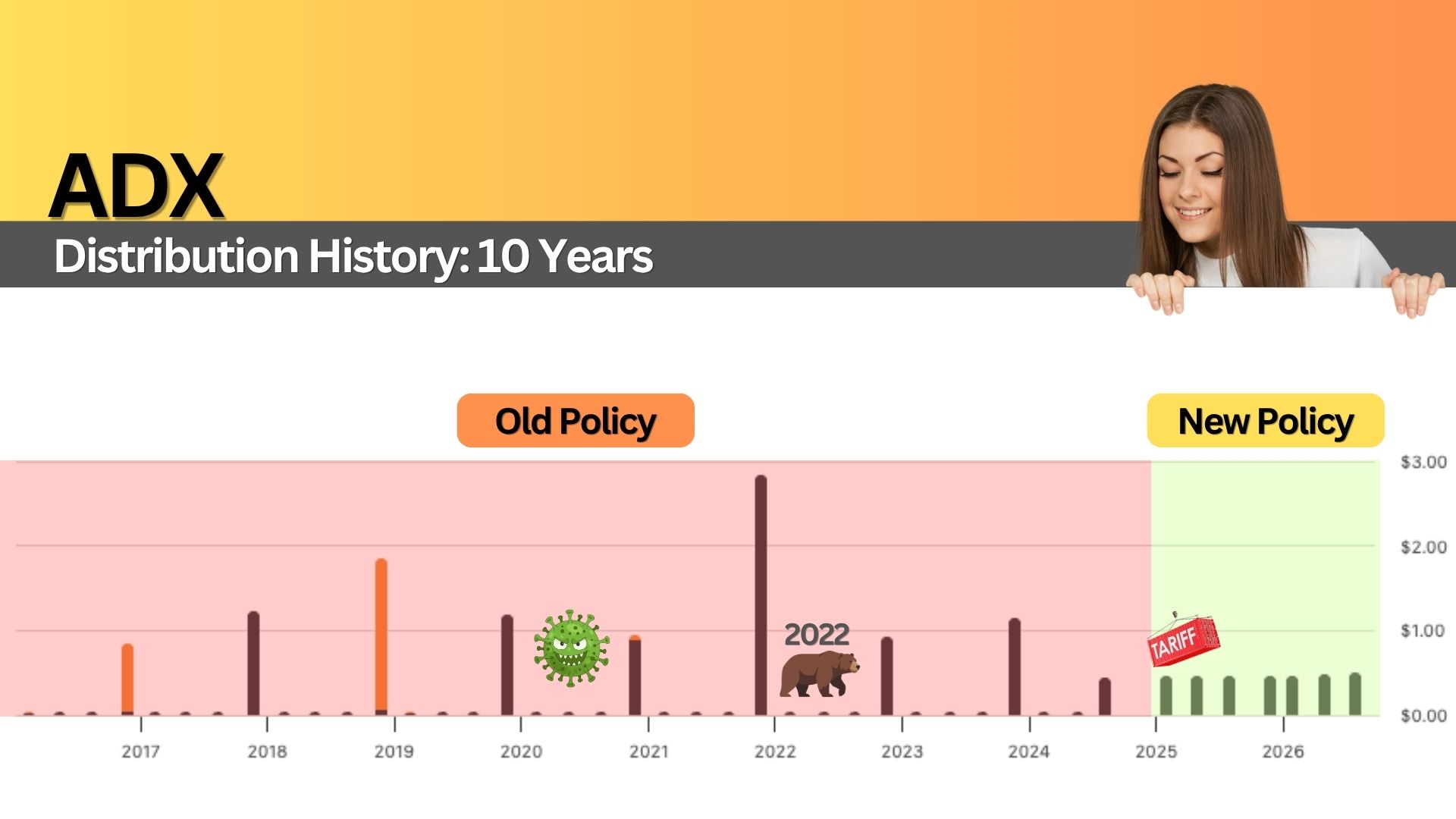
Sometimes I buy because a fund changes in a way that better fits my goals. ADX is a good example. I ignored it for years because the payout pattern was uneven, but its 2025 move to a more consistent 8% distribution policy made it much more appealing for an income-focused portfolio.
Final Thoughts
For me, buying is not about chasing hot trends, dramatic news, or bold predictions. It is about gradually improving my portfolio using opportunities that make sense today. In income investing, why I buy matters far more than when I buy.
To learn more, click here for the full Review.
Want to see how these funds fit into a real-world retirement strategy? I share my full portfolio and monthly updates for free, here: Armchair Insider. If you want to learn from other Income Investors (I do!), check out the Armchair Insider Lounge.