

 Stock Analysis
 General
 Library
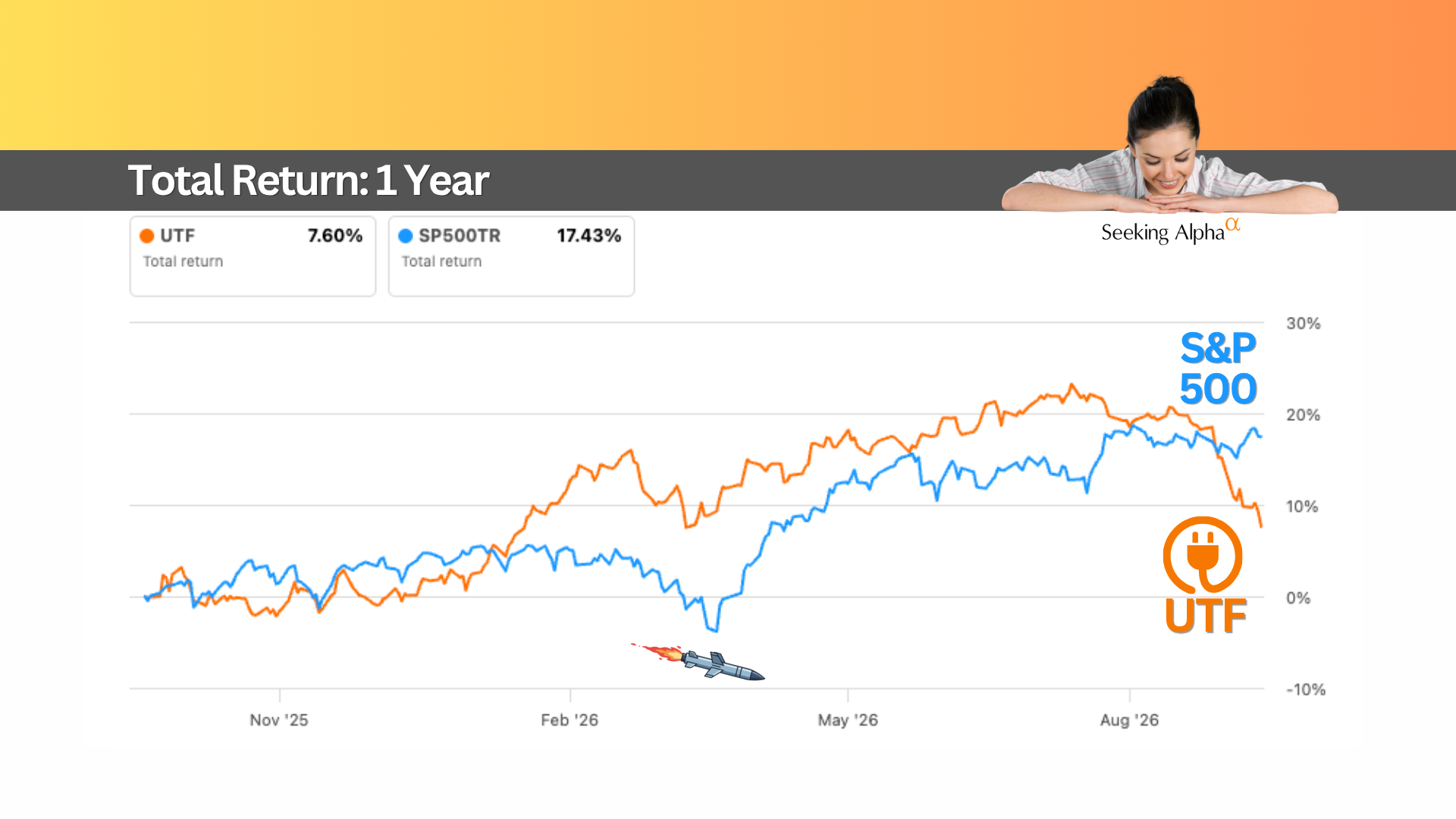
Power demand tied to AI data centers gave utility and infrastructure stocks a powerful boost, and UTF was one of the beneficiaries. Then the Fed announced another rate increase, and the sector quickly cooled off.
That reversal raises an obvious question: is this just a normal correction, or an opportunity to buy one of the better long-term infrastructure funds at a more attractive price?
UTF, the Cohen & Steers Infrastructure Fund, currently yields about 8% and remains one of my favorite funds for steady income.
Distribution History
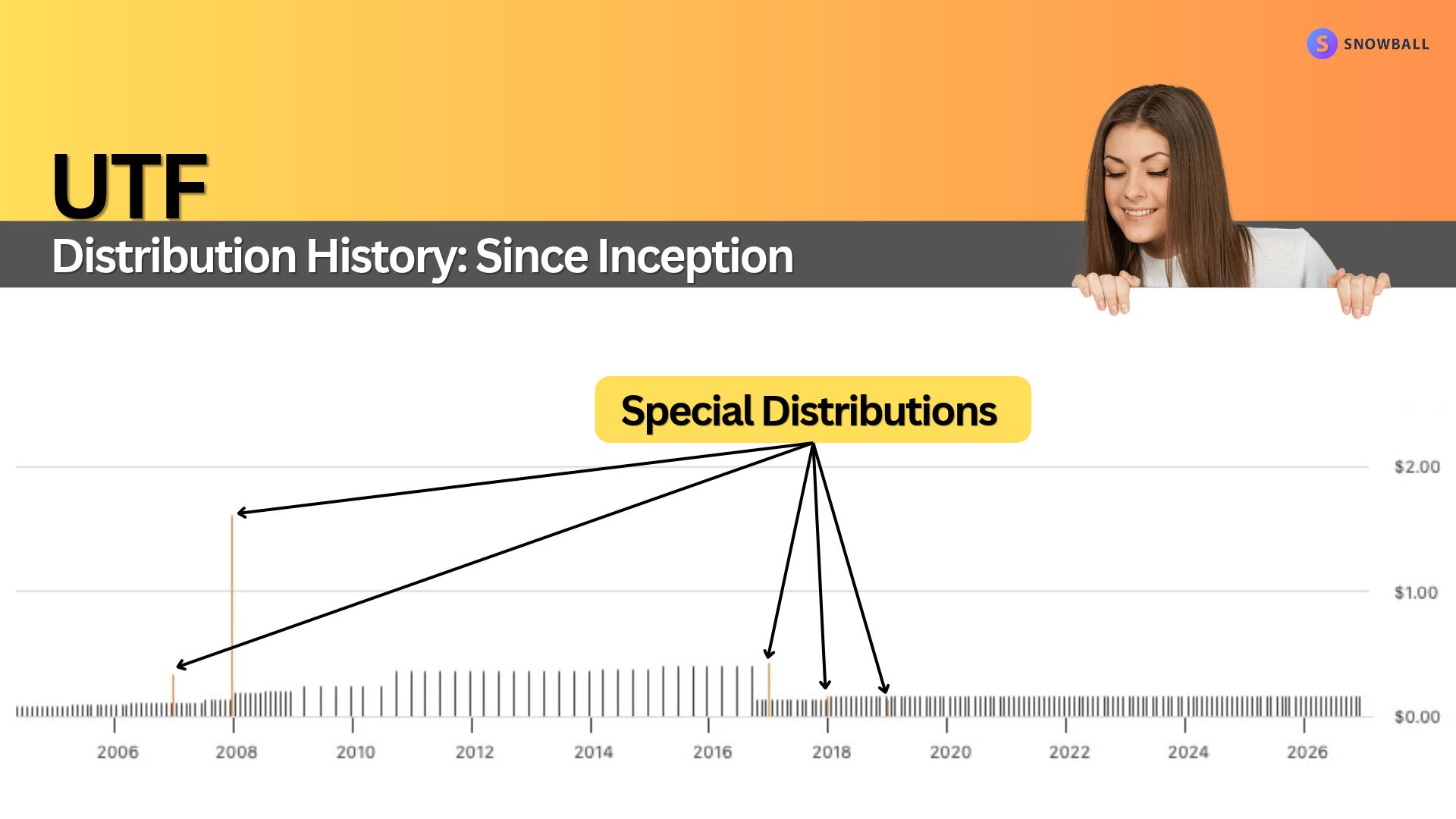
UTF’s payout record goes back to 2004, but the chart needs a little interpretation because the fund switched from monthly distributions to quarterly and then later back to monthly.
The big blemish is the Global Financial Crisis. In 2008, the fund was paying the equivalent of $0.63 per quarter, then cut that to $0.24. That was a severe reduction of roughly 62%, and it shows that UTF was hit hard during that period.
The encouraging part is what happened afterward. Since that cut, UTF has posted several increases and no further cuts, plus occasional special distributions when realized gains were unusually strong.
Total Return
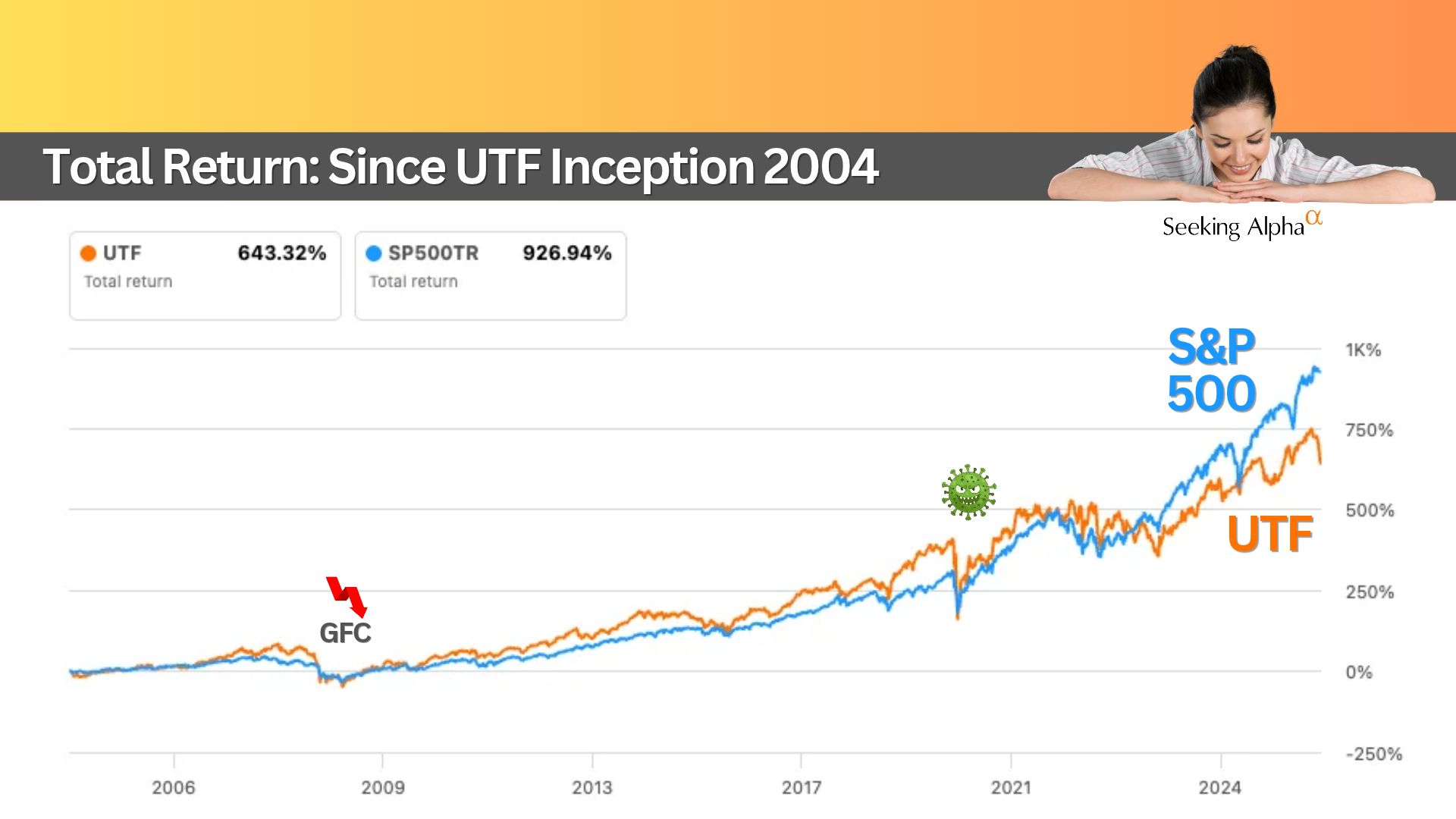
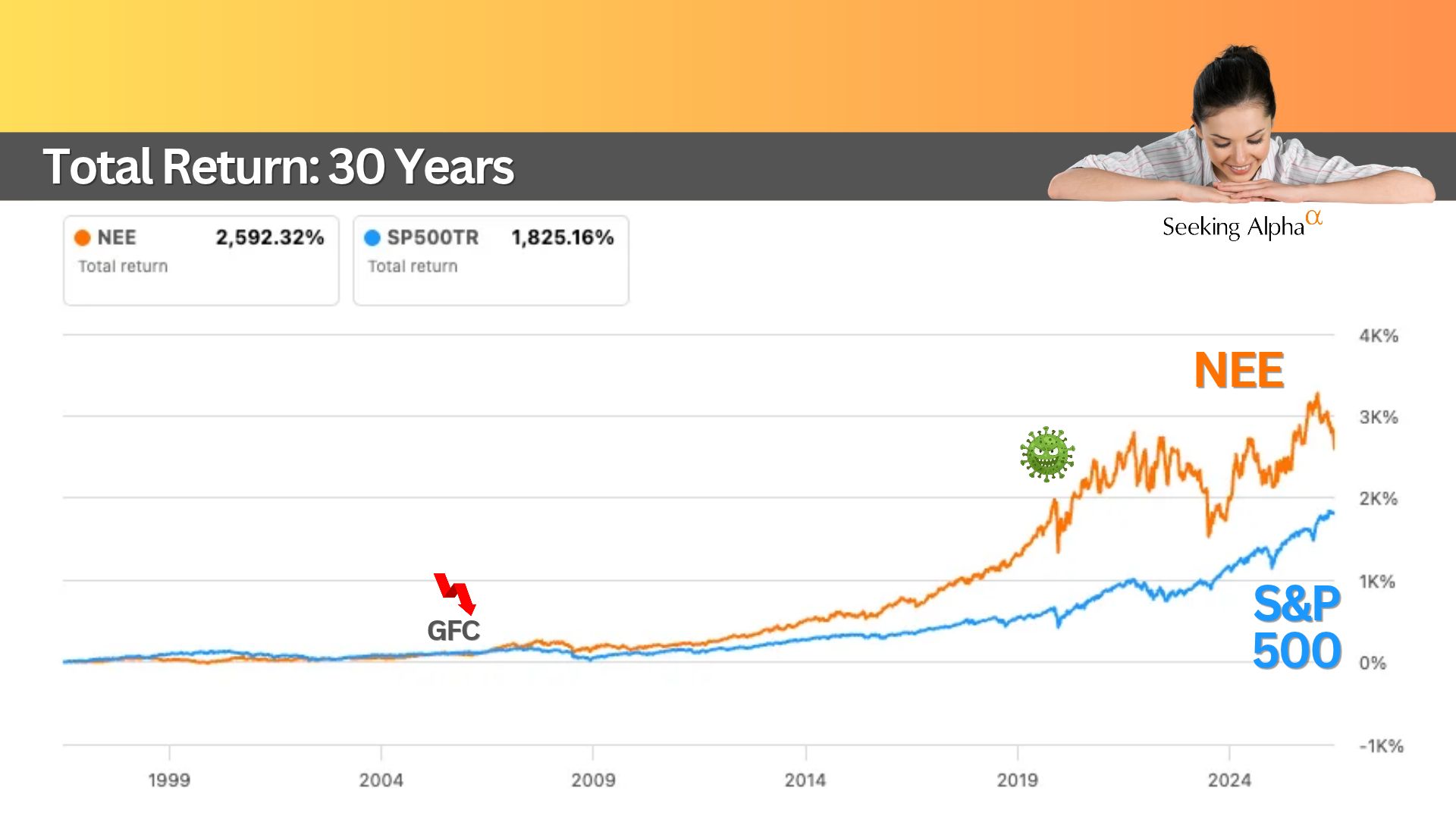
Over the long run, UTF’s total return has been much better than many investors might expect from a utility and infrastructure fund. In fact, for much of its history, it kept pace with — and at times outperformed — the S&P 500.
That changed in recent years, mostly because the Mag 7 and AI-chip names pushed the S&P 500 into another gear. Still, UTF has remained competitive, especially over the last year as the market focused on electricity demand from AI data centers.
What UTF Actually Owns
UTF is broader than a plain utility fund. It invests in electric power generation, pipelines, transmission networks, transportation infrastructure, towers, and other real-world systems that move energy, data, and people.
It also holds more than common stocks. The portfolio includes bonds, preferred stocks, and MLPs, which help support the income stream. The fund’s top holdings also explain why it has held up well over time. NextEra Energy, for example, has delivered excellent long-term performance while benefiting from major exposure to power generation.
Pricing, Rates, and My Take
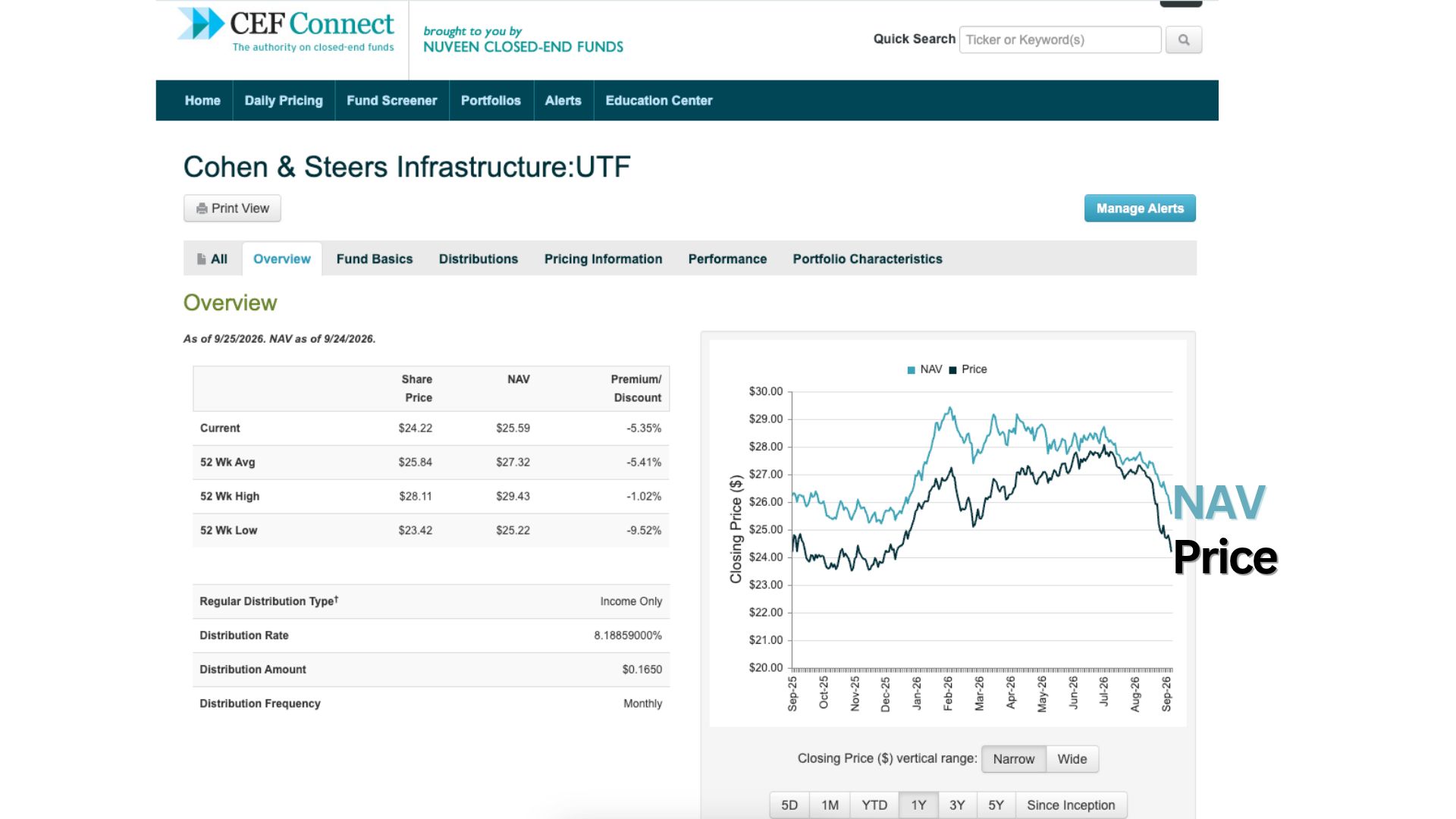
Because UTF is a closed-end fund, its share price can trade above or below the value of its underlying assets. Recently, both the NAV and the price have declined, but the market price has fallen further, pushing the fund to a discount.
Higher rates matter here for two reasons: infrastructure businesses are capital-intensive, and UTF itself uses nearly 30% leverage, which raises borrowing costs when rates rise.
My Take
I do not expect UTF to behave like a high-growth tech fund. That is not why I own it. I own it for steady income, solid diversification, and exposure to essential infrastructure.
Given the recent pullback and the current discount, I recently added to UTF — modestly, not aggressively. For me, this looks less like a broken thesis and more like a better entry point.
To learn more, click here for the full Review.
Want to see how these funds fit into a real-world retirement strategy? I share my full portfolio and monthly updates for free, here: Armchair Insider. If you want to learn from other Income Investors (I do!), check out the Armchair Insider Lounge.