
 Stock Analysis
 General
 Library
When I retired in 2017, my portfolio stopped being a scoreboard and became a paycheck machine. More than eight years later, I can say income investing has funded a life I truly enjoy—but the hardest lessons came during the rough patches, especially Covid and the 2022 bear market. Here are the five biggest things I’ve learned since retiring.
1) Don’t Go to Cash
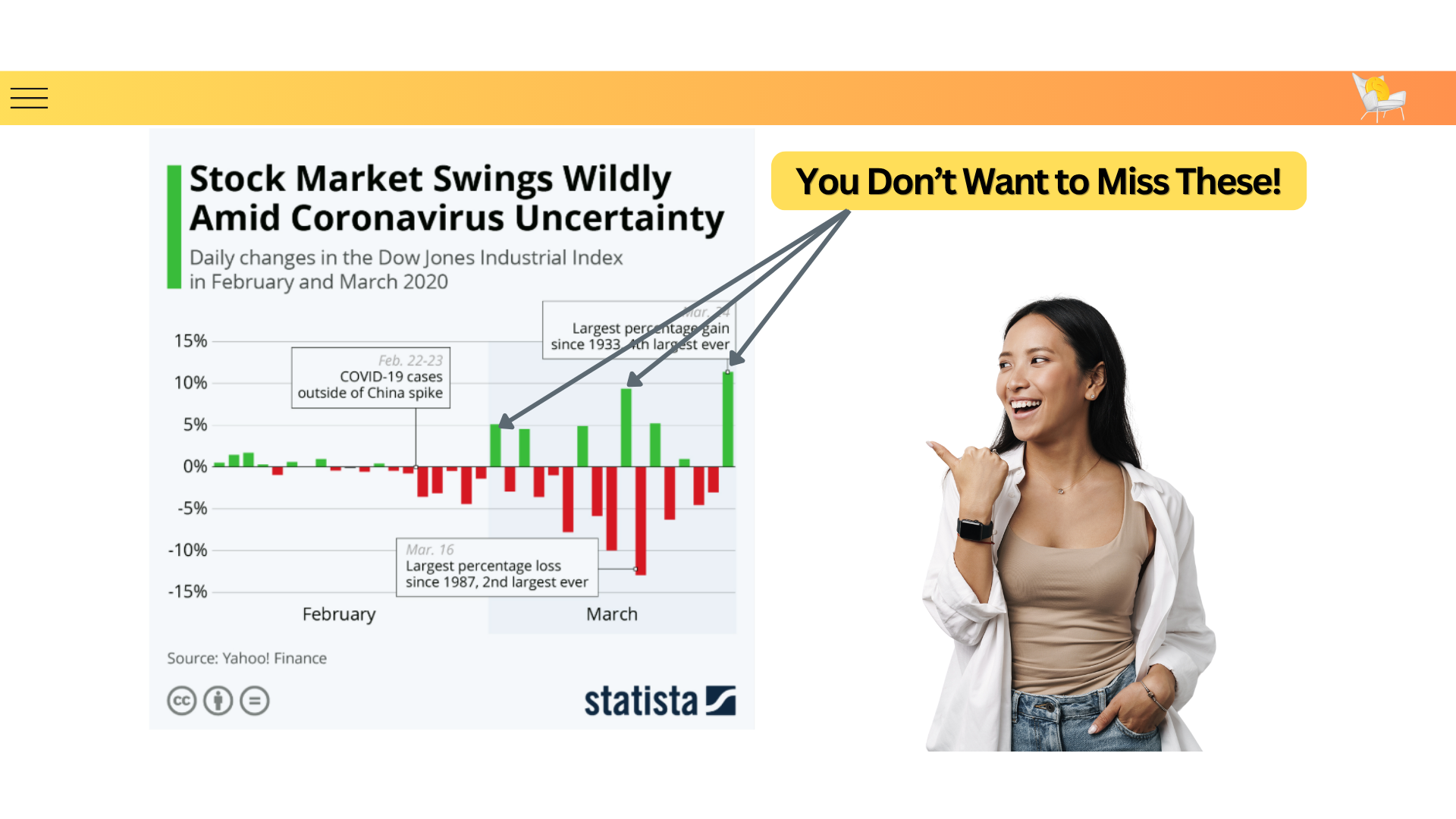
My biggest mistake came in March 2020. I sold a meaningful chunk of my income portfolio because I feared the economy would collapse and dividends would be slashed. Holding cash felt safe at first, but it quickly created two problems: my income stream stopped, and I had to figure out when to buy back in. That second problem was far worse.
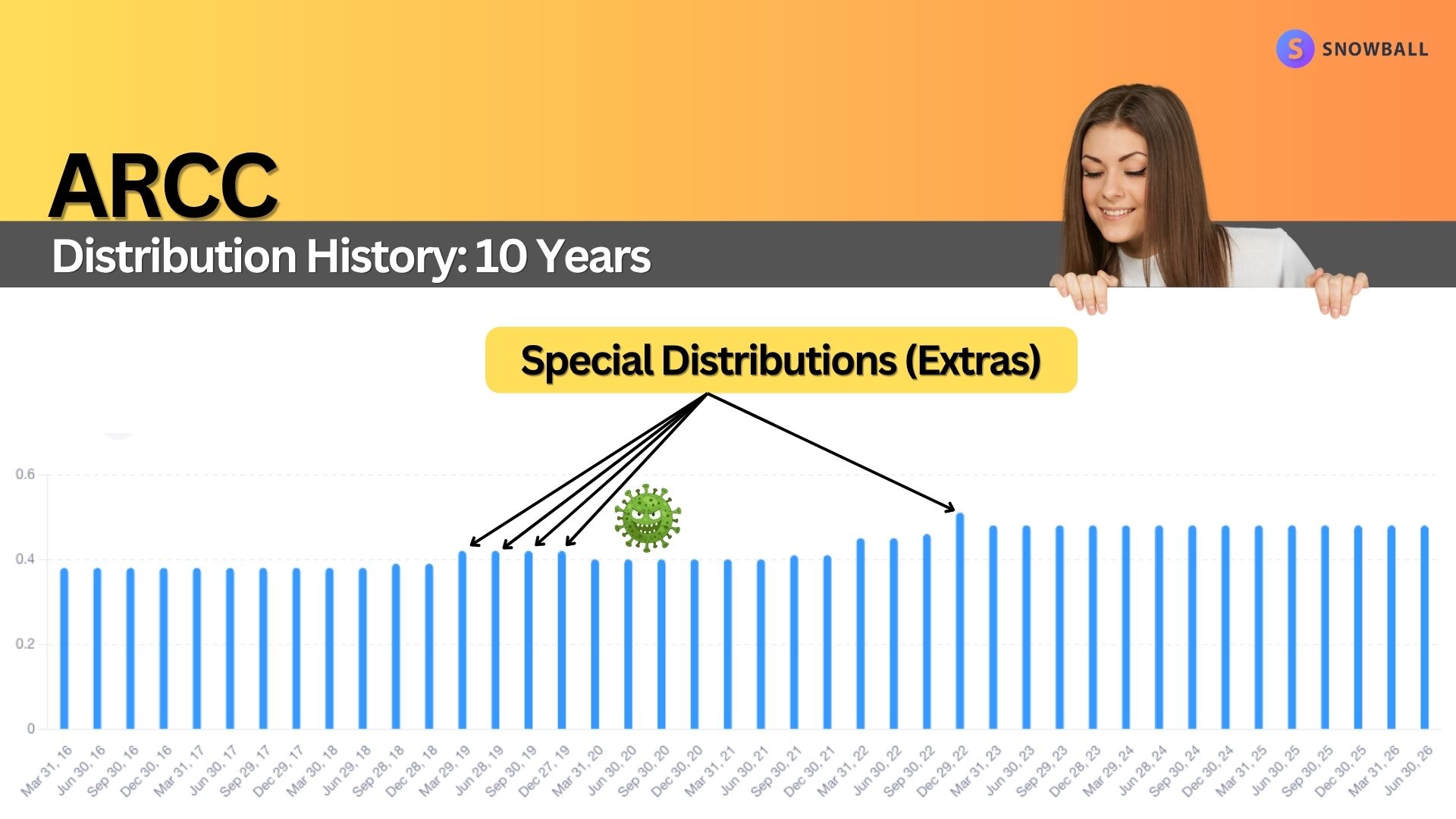
The market rebounded long before the news felt reassuring, and I ended up buying back at higher prices. Meanwhile, some of my core holdings held up far better than I expected. CEFS kept paying, PFFA’s cut was manageable, and ARCC remained impressively steady. The lesson: short-term fear can lead to long-term damage.
2) Always Be Diversifying
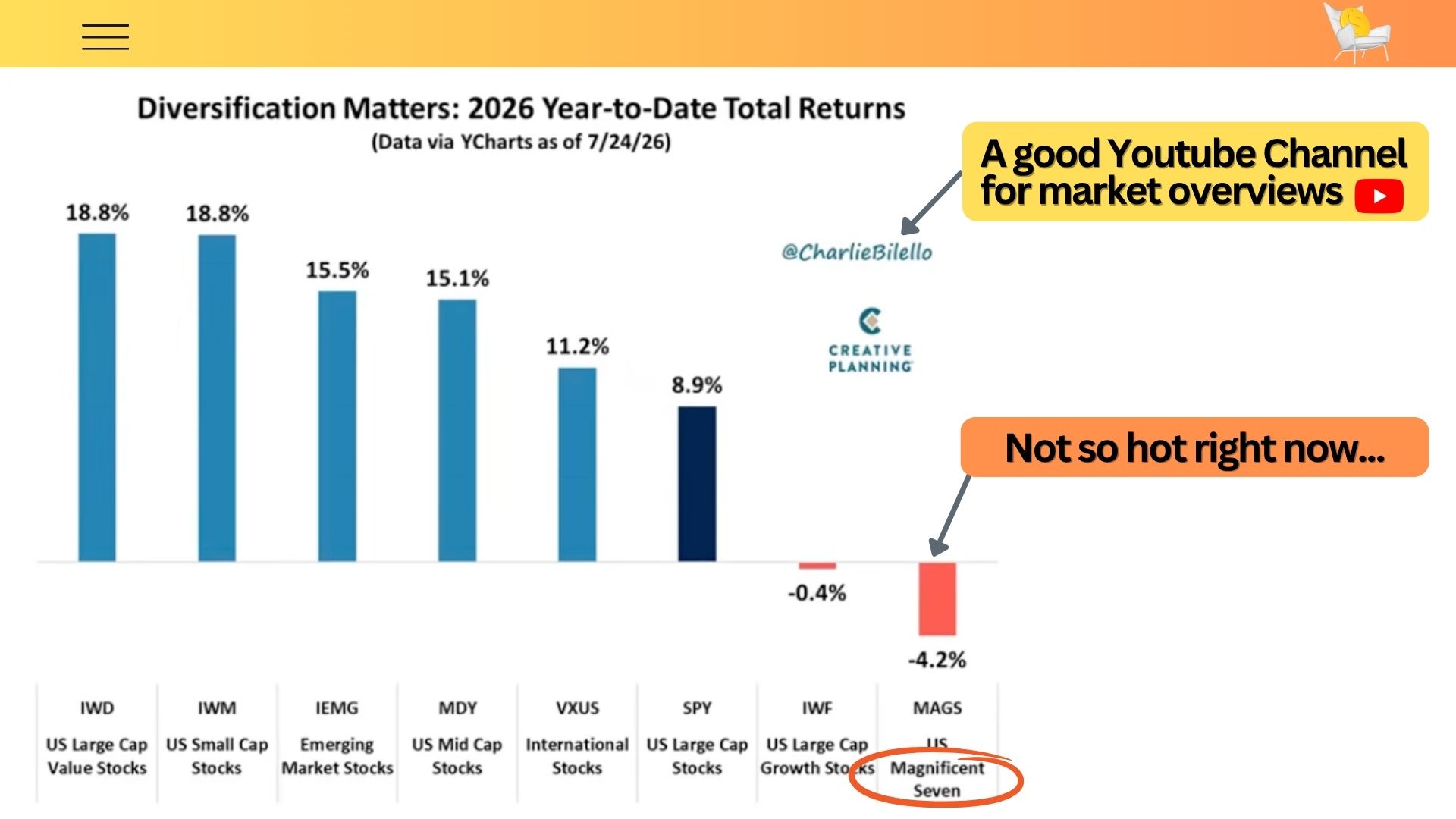
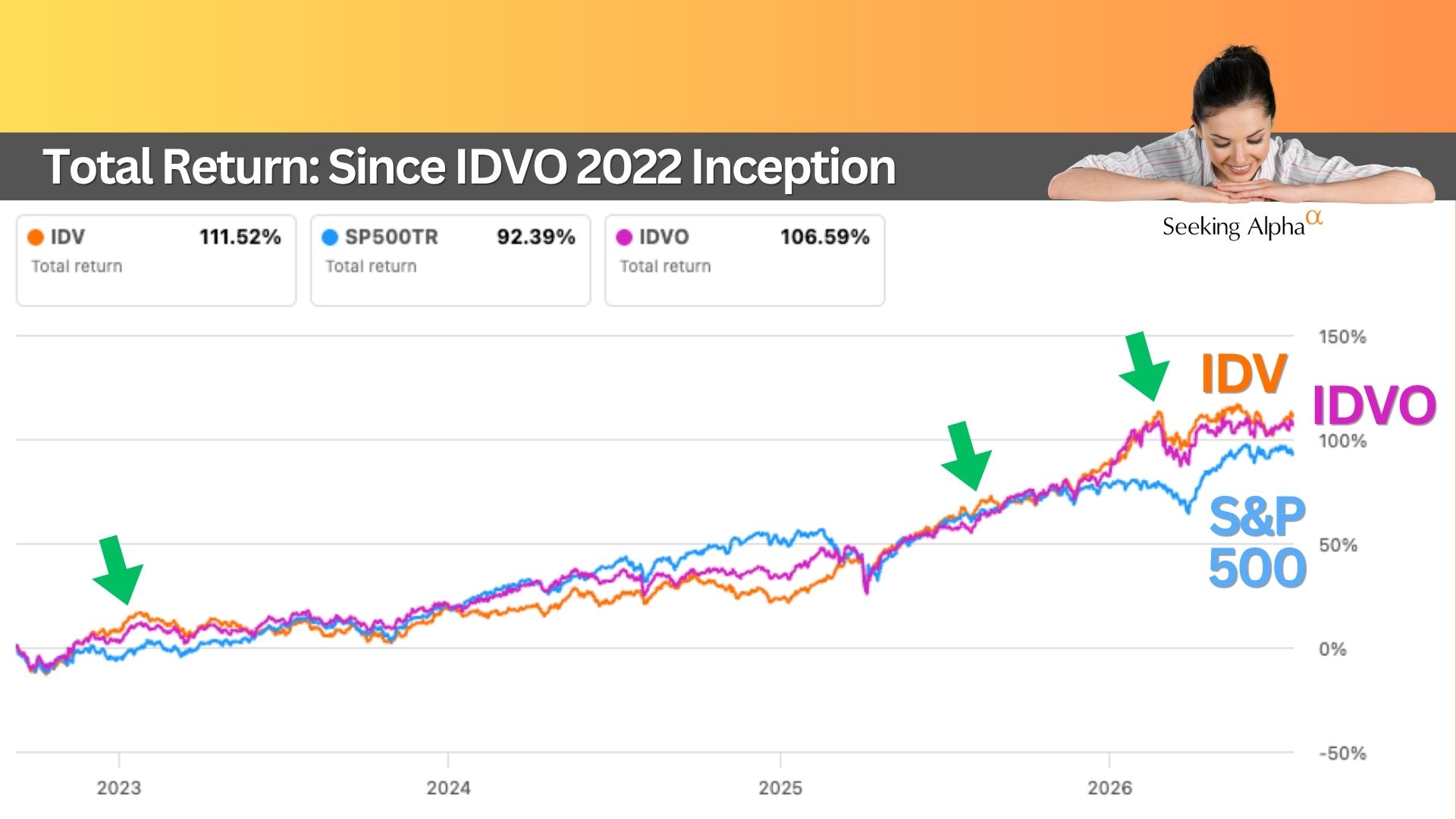
Retirement changed my goal. I’m no longer trying to beat the S&P 500—I’m trying to sleep well and get paid consistently. That’s why I keep looking for income streams that behave differently from U.S. large-cap stocks.
I want exposure not just to index funds, but also to international stocks, bonds, business development companies, precious metals, and midstream energy. The more independent my income sources are, the less any single market shock can disrupt my lifestyle.
3) Don’t Trade the News
Retirement made financial headlines more tempting, but reacting to every story is exhausting and usually unhelpful. Covid, regional banks, the yen carry trade unwind, war headlines, SpaceX fears—there is always something.
My default response now is simple: do nothing. I only make changes when they improve diversification, lower risk, or take advantage of a major pricing opportunity. Most news is noise; discipline matters more than drama.
4) 8%–12% Is My Strike Zone
Over time, I settled on a blended portfolio yield target of 8% to 12%, with the goal of spending about 8% and reinvesting the rest. That does not mean every holding needs to be in that range.
Some lower-yield investments earn their place because they provide valuable diversification or stronger total return potential.
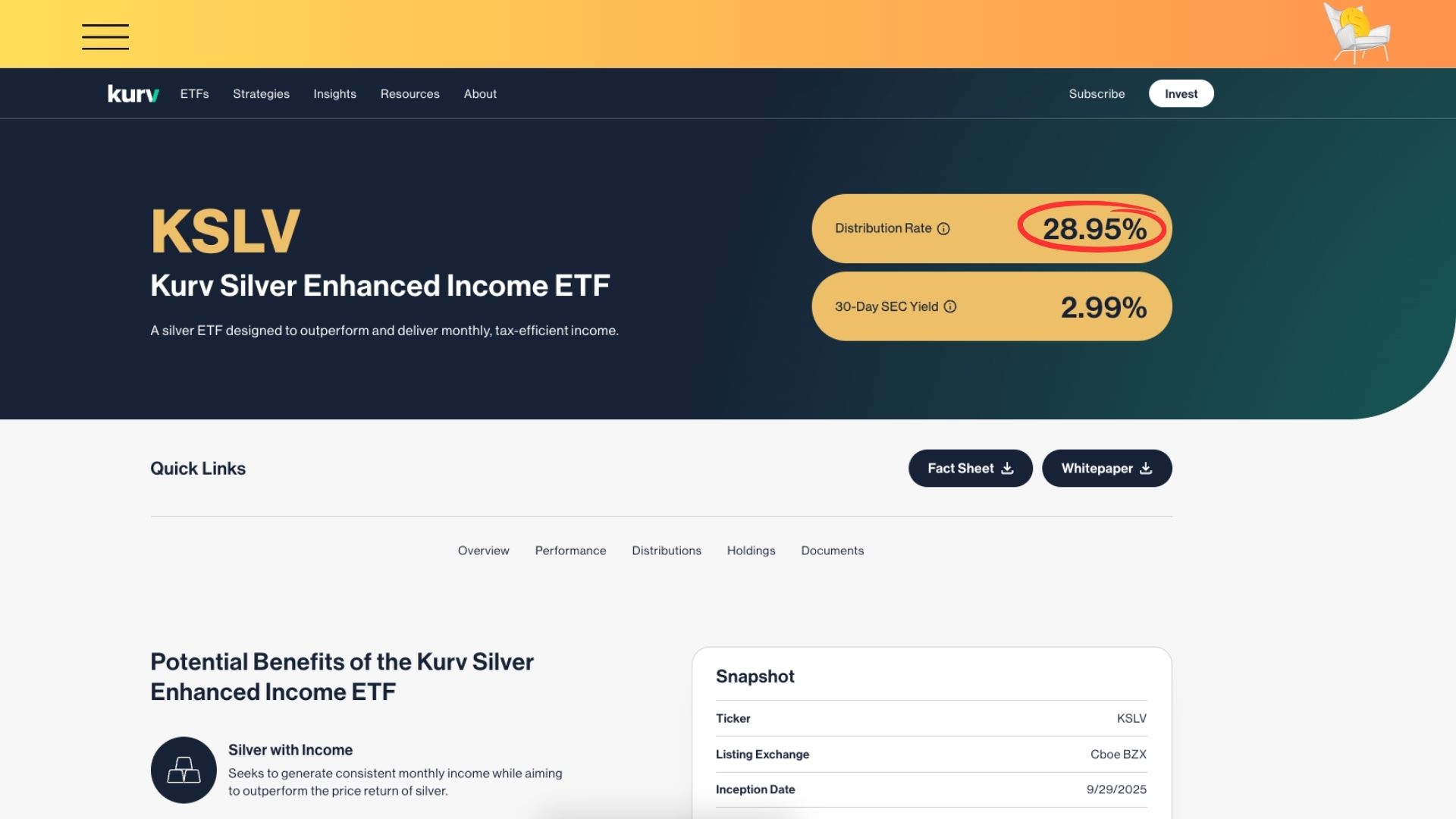
At the other extreme, very high-yield positions can work too—but only with small allocations and realistic expectations.
5) Retirement Is Distribution, Not Accumulation
The biggest mental shift in retirement is accepting that the goal is no longer “more, more, more.” During my working years, success meant building the largest nest egg possible. In retirement, success means converting that nest egg into a durable lifestyle.
I still want my income to grow faster than inflation, but I no longer need to match every surge in the stock market. I’d rather use my portfolio to live well now than spend retirement trying to die with the largest account balance possible.
My Take
Income investing is not perfect, but it is more predictable than future stock prices and more reliable than trying to time the market. The biggest lessons I’ve learned are to stay invested, diversify relentlessly, ignore most headlines, target a sustainable yield, and remember what retirement is actually for: using your money to support your life.
To learn more, click here for the full Review.
Want to see how these funds fit into a real-world retirement strategy? I share my full portfolio and monthly updates for free, here: Armchair Insider. If you want to learn from other Income Investors (I do!), check out the Armchair Insider Lounge.