

 Stock Analysis
 General
 Library
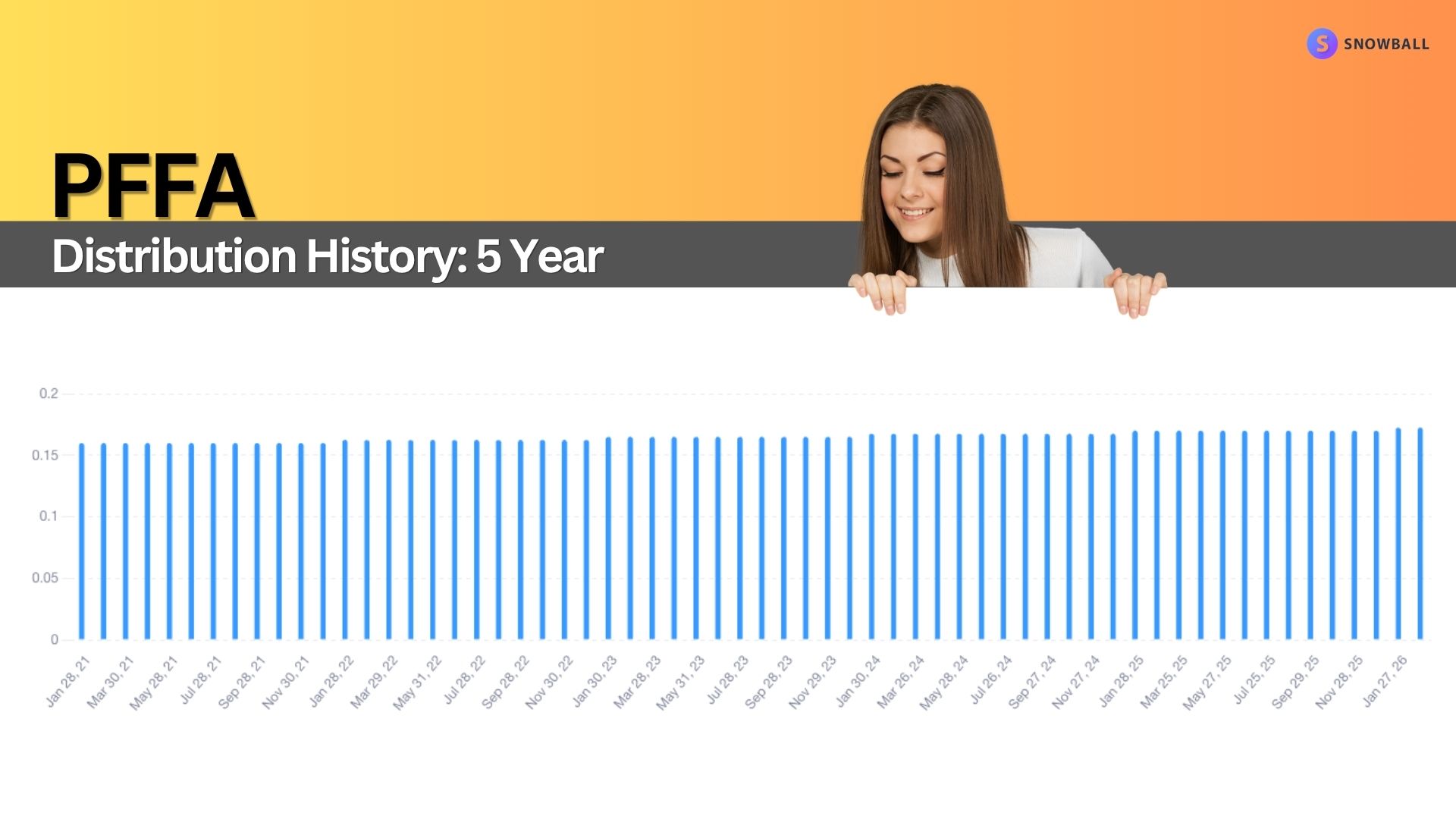
Most income investors want one thing: consistency.
That’s exactly why it has remained a core holding for many portfolios. With a yield close to 10%, the real appeal isn’t just the income level, it’s how reliably that income shows up.
But what actually makes those distributions so consistent?
Why PFFA’s Income Is So Stable
At its core, consistency comes down to risk management.
Unlike passive funds, PFFA actively manages three key risks:
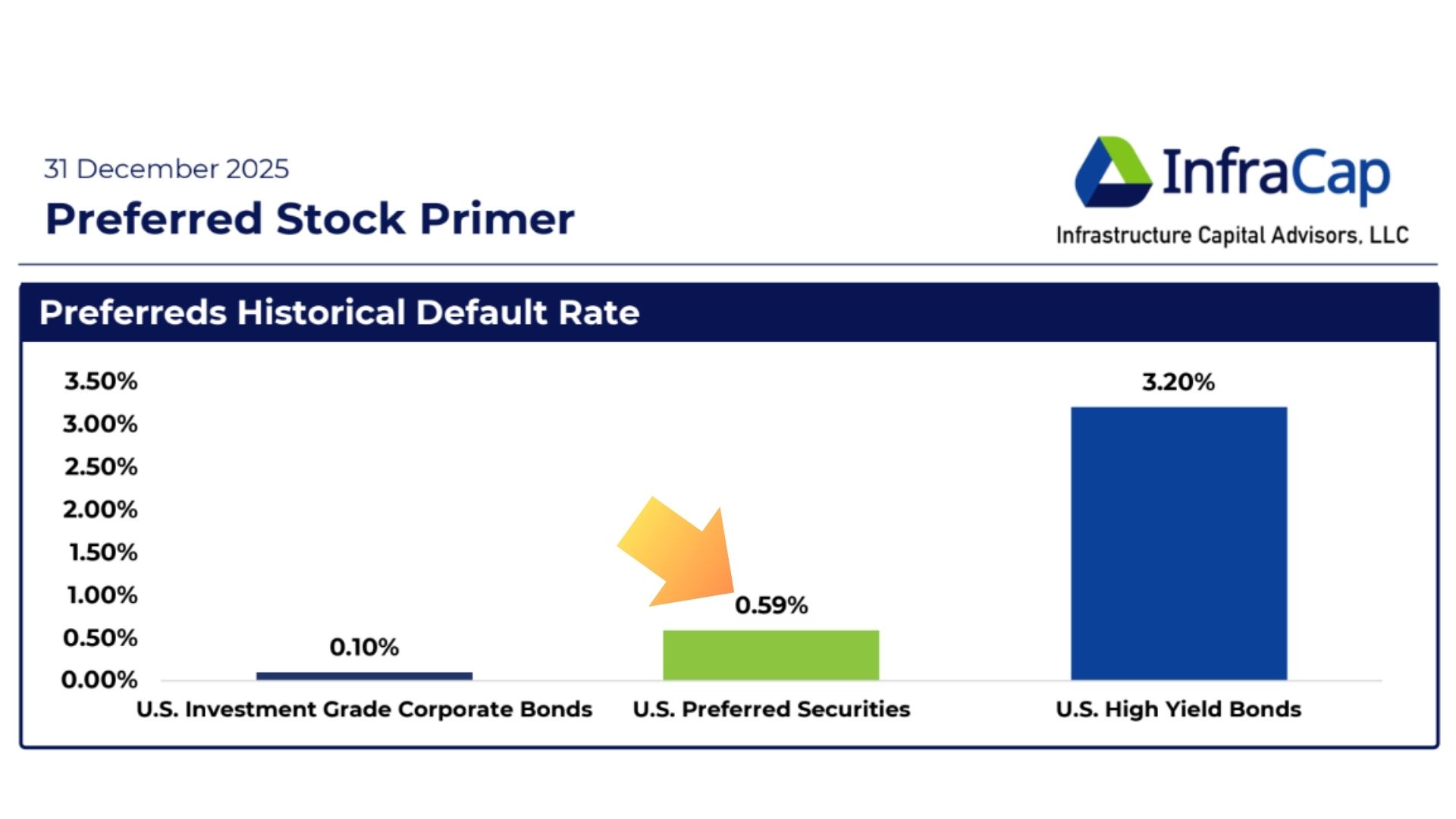
1. Default Risk
The fund prioritizes avoiding defaults altogether. That’s the biggest driver of stable income. Even small losses can disrupt distributions, so minimizing credit risk is critical.
2. Interest Rate Risk
The fund adjusts exposure depending on the rate environment. For example, it leaned toward floating-rate exposure when inflation risks were rising, helping protect income.
3. Call Risk
Preferred shares can be “called” at $25. When prices rise above that level, there’s downside risk.
To manage this, the fund actively sells positions above par and reinvests into discounted securities, boosting income over time.
Active Management vs Passive Funds
This is where PFFA separates itself from large passive funds like PFF.
Passive funds simply hold securities based on index weightings. That can include:
Lower-yield holdings
Less efficient pricing
Exposure to unwanted risk
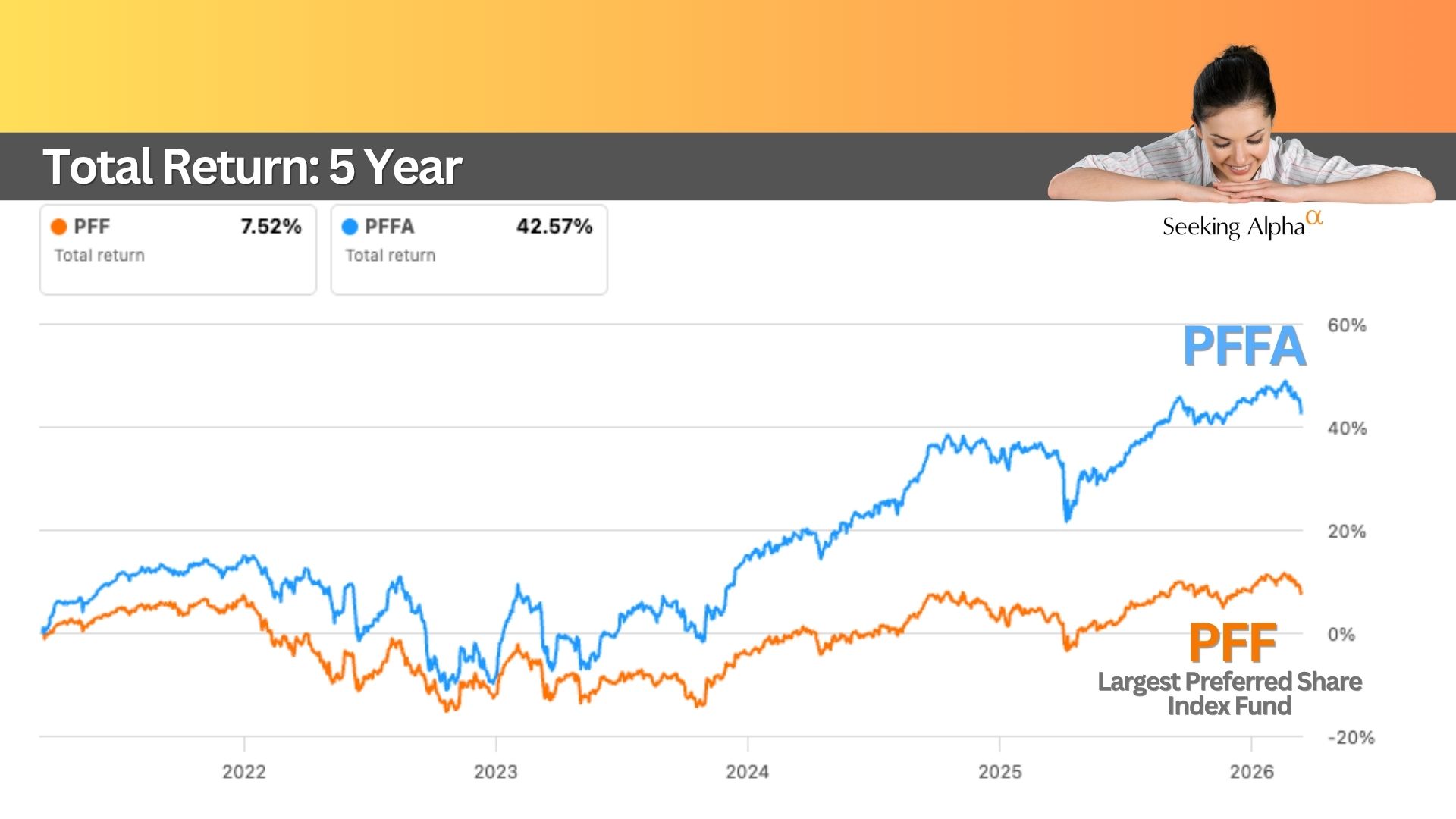
PFFA, on the other hand, actively rotates capital into higher-yield opportunities while maintaining credit quality.
Over time, that active approach has led to stronger total returns, not just higher income.
A Hidden Risk: “Mandatory” Preferreds
One important distinction: not all preferred shares behave the same.
Some are “mandatory convertibles,” which eventually turn into common stock.
These can introduce equity-like volatility, which isn’t ideal for a retirement-focused income strategy.
PFFA limits exposure to these, focusing instead on traditional preferred securities.
What to Expect Going Forward
Preferred shares tend to trade in a range, often below their $25 par value.
That creates a simple long-term framework:
Buy when prices are discounted
Collect consistent income
Benefit if prices gradually move back toward par
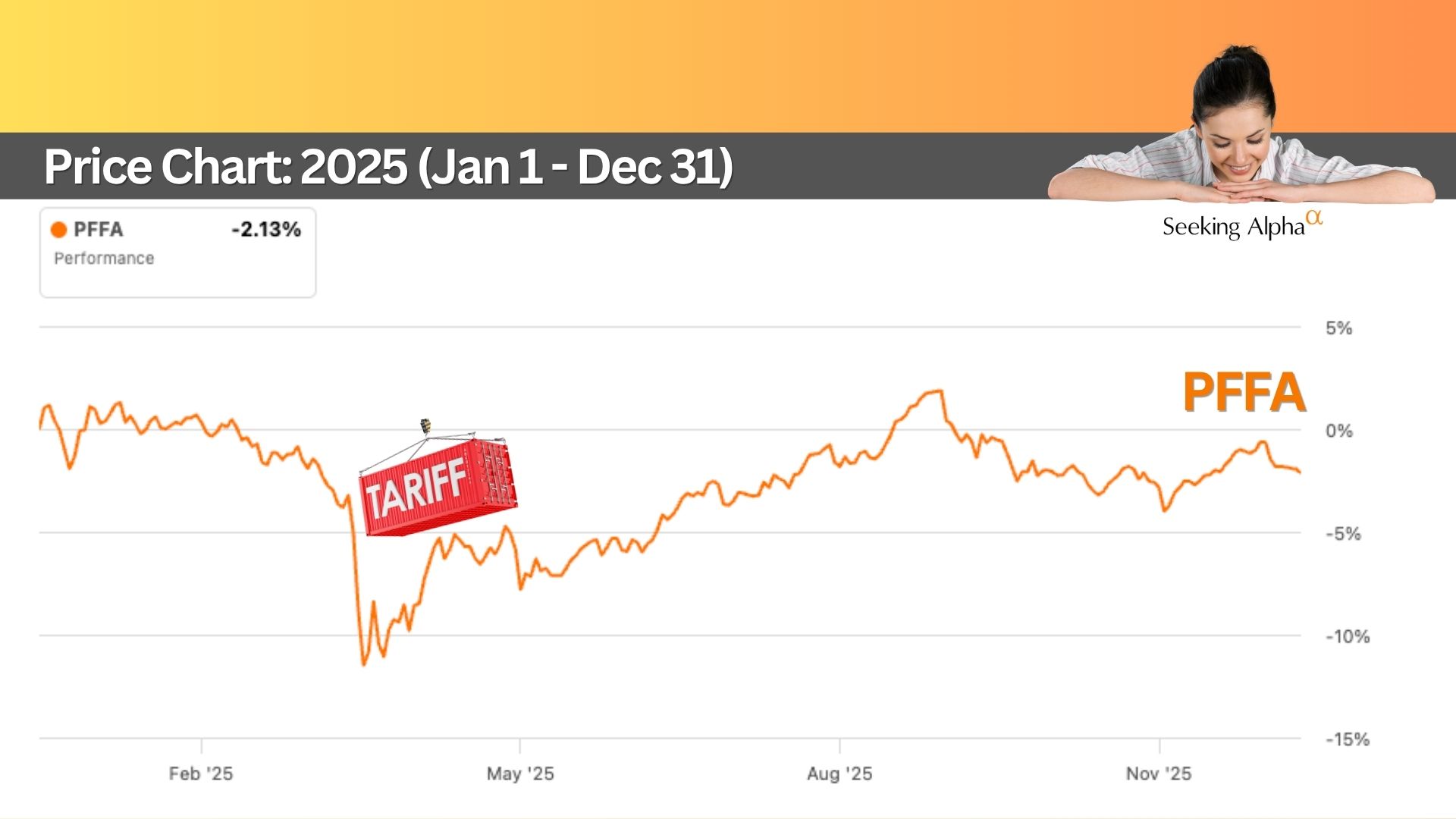
Short-term price fluctuations will happen. But the income stream tends to remain stable, which is what matters most for income investors.
If you’d like to watch the full interview with Jay Hatfield, CEO of InfraCap and portfolio manager of PFFA, click here.
Want to see how these funds fit into a real-world retirement strategy? I share my full portfolio and monthly updates for free, here: Armchair Insider. If you want to learn from other Income Investors (I do!), check out the Armchair Insider Lounge.