
 Stock Analysis
 General
 Library
Covered call funds based on the NASDAQ have become some of the most popular income vehicles in the market, and for good reason. They offer high yields, strong recent total returns, and a way to turn market volatility into cash flow. But not all of them work the same way.
I recently swapped out QQQI for GPIQ, even though GPIQ yields less. The reason was simple: I was willing to accept a lower yield in exchange for better total return. That naturally raises the next question—what about TDAQ and QDTE?
Why I Bought GPIQ
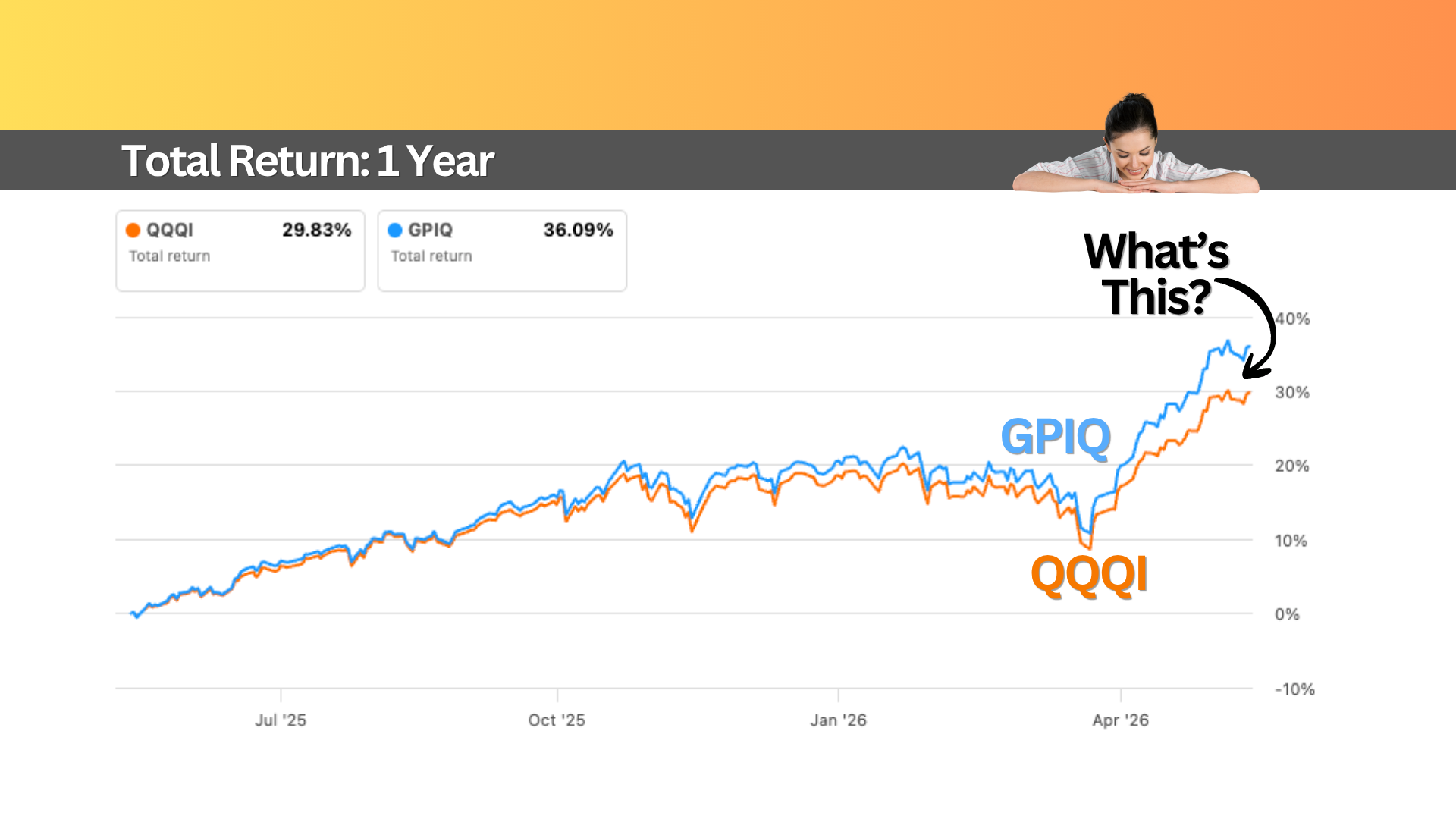
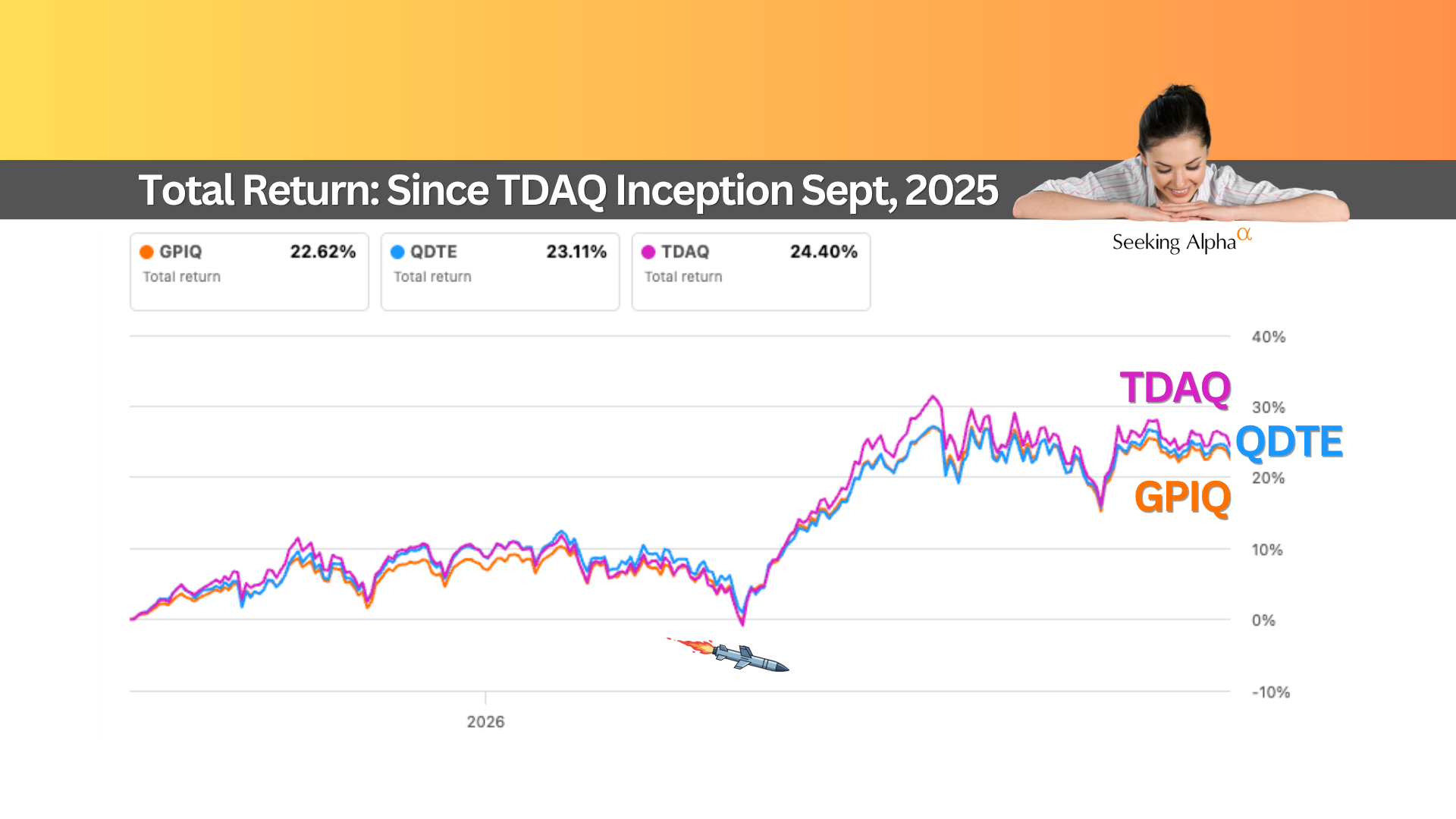
GPIQ stood out because it has led many of the better-known NASDAQ covered call funds on a total return basis. That matters to me because yield alone can be misleading. A fund can pay a huge distribution, but if the share price drifts lower over time, that income is doing more repair work than it first appears.
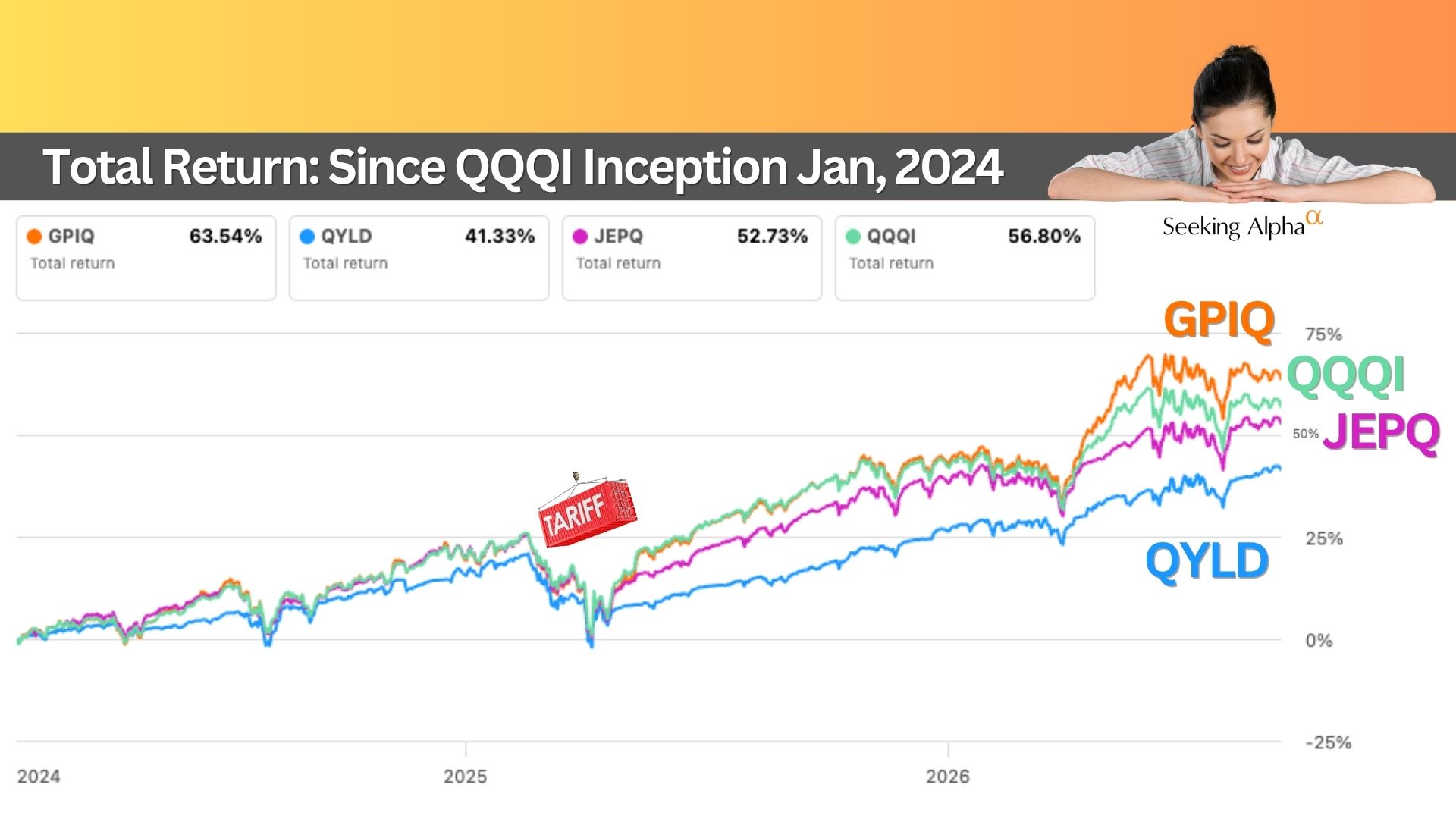
Compared with QQQI, GPIQ has delivered the stronger blend of growth and income. It still yields around 10%, which is sufficient, but it has done a better job of keeping up with the NASDAQ than many higher-yield peers.
What Makes TDAQ and QDTE Different?
The key difference is the options strategy. GPIQ uses a more traditional approach, selling monthly call options on part of the portfolio. TDAQ and QDTE instead focus on daily options, often called QDTE—zero days to expiration.
That difference matters. Daily options generally produce higher premiums, which helps explain the higher yields. But they also require more trading, which increases costs and adds complexity. Performance can depend not just on whether the market rises or falls, but on how it moves over different time periods; days versus months and intraday versus overnight.
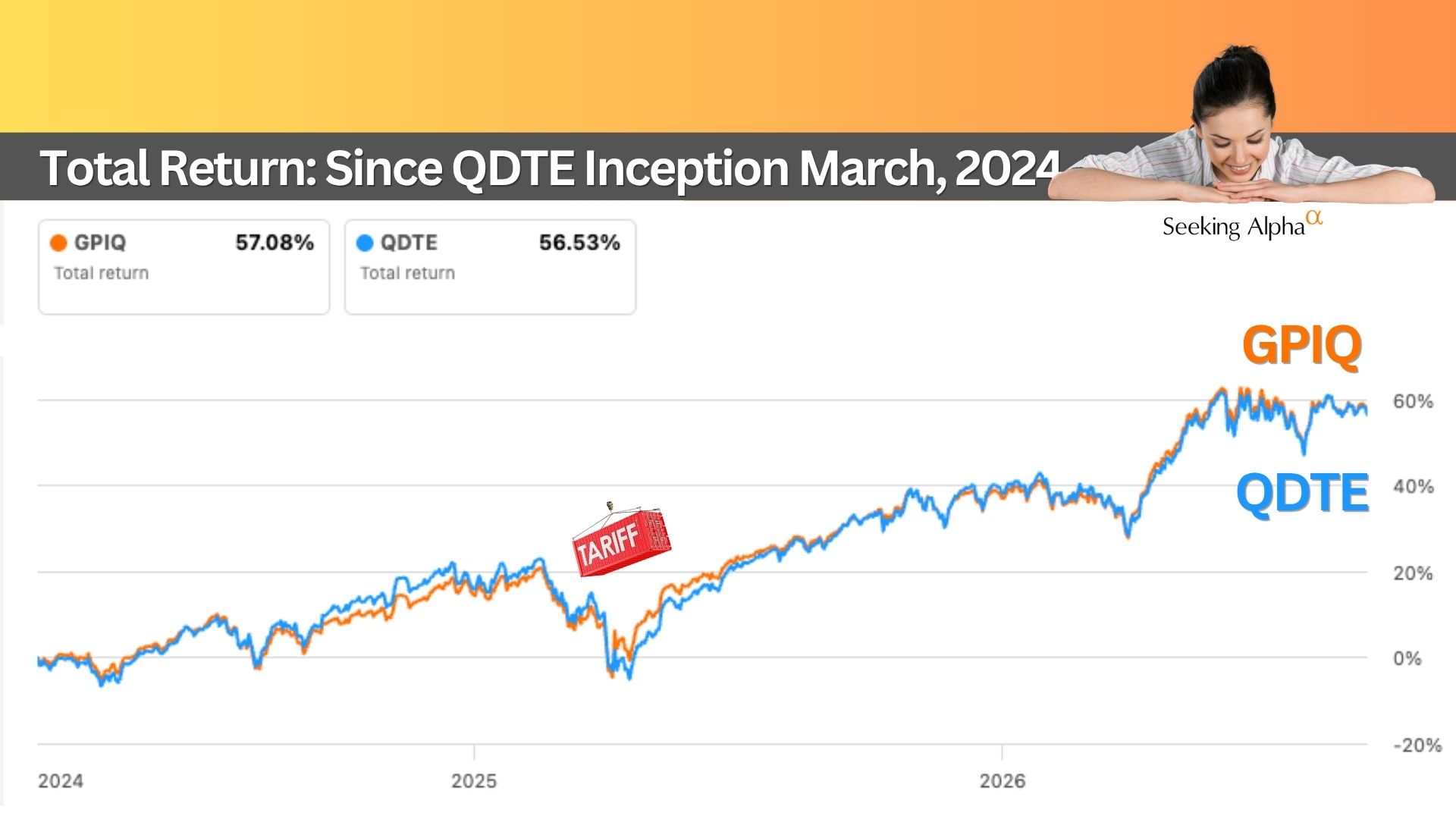
So far, the newer QDTE funds have held up surprisingly well. TDAQ has even managed to edge ahead of the NASDAQ since its launch, which is impressive for a covered call fund.
The Income Tells a Different Story
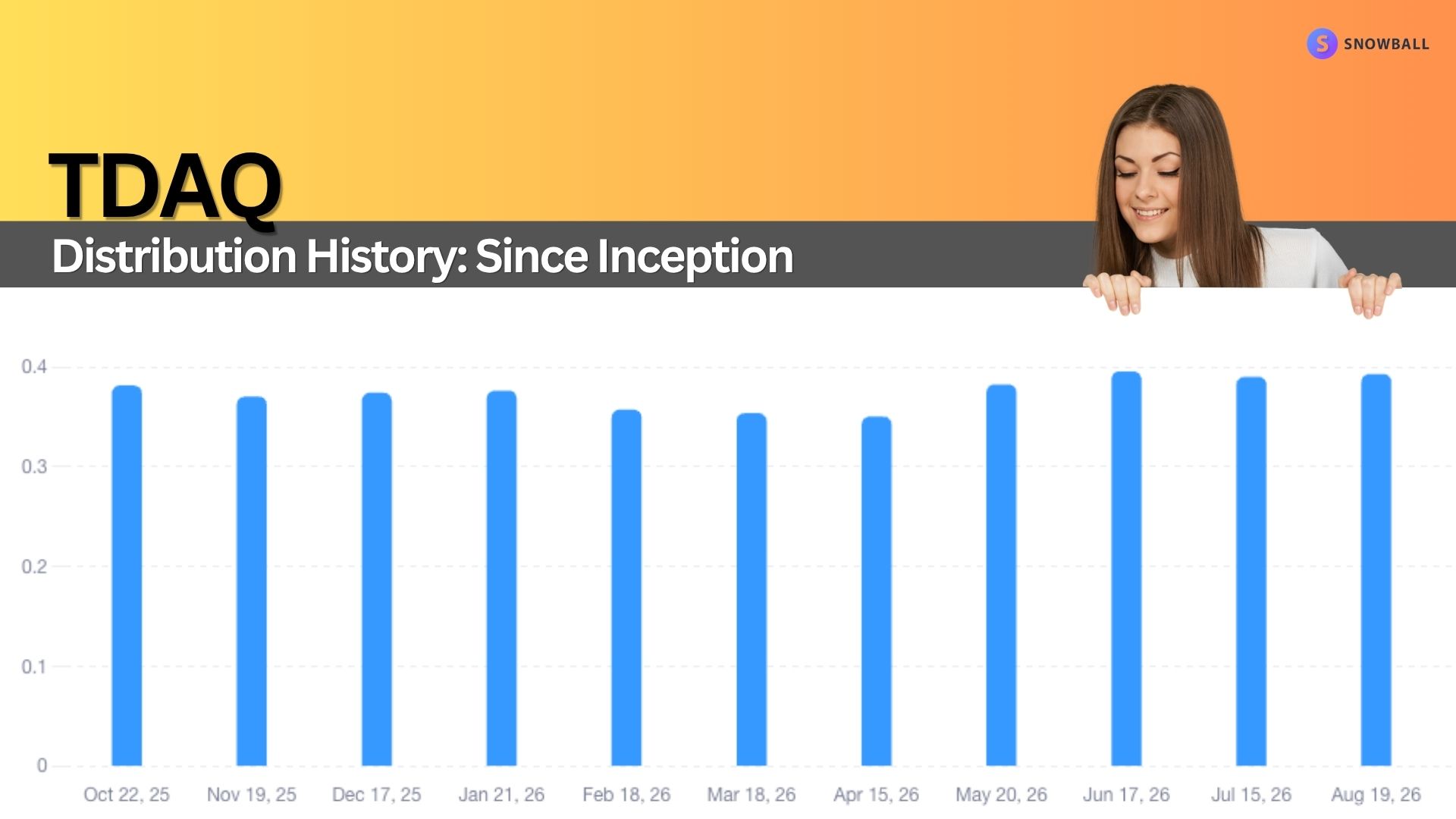
This is where the funds start to separate more clearly. TDAQ’s distributions look fairly steady. QDTE’s do not.
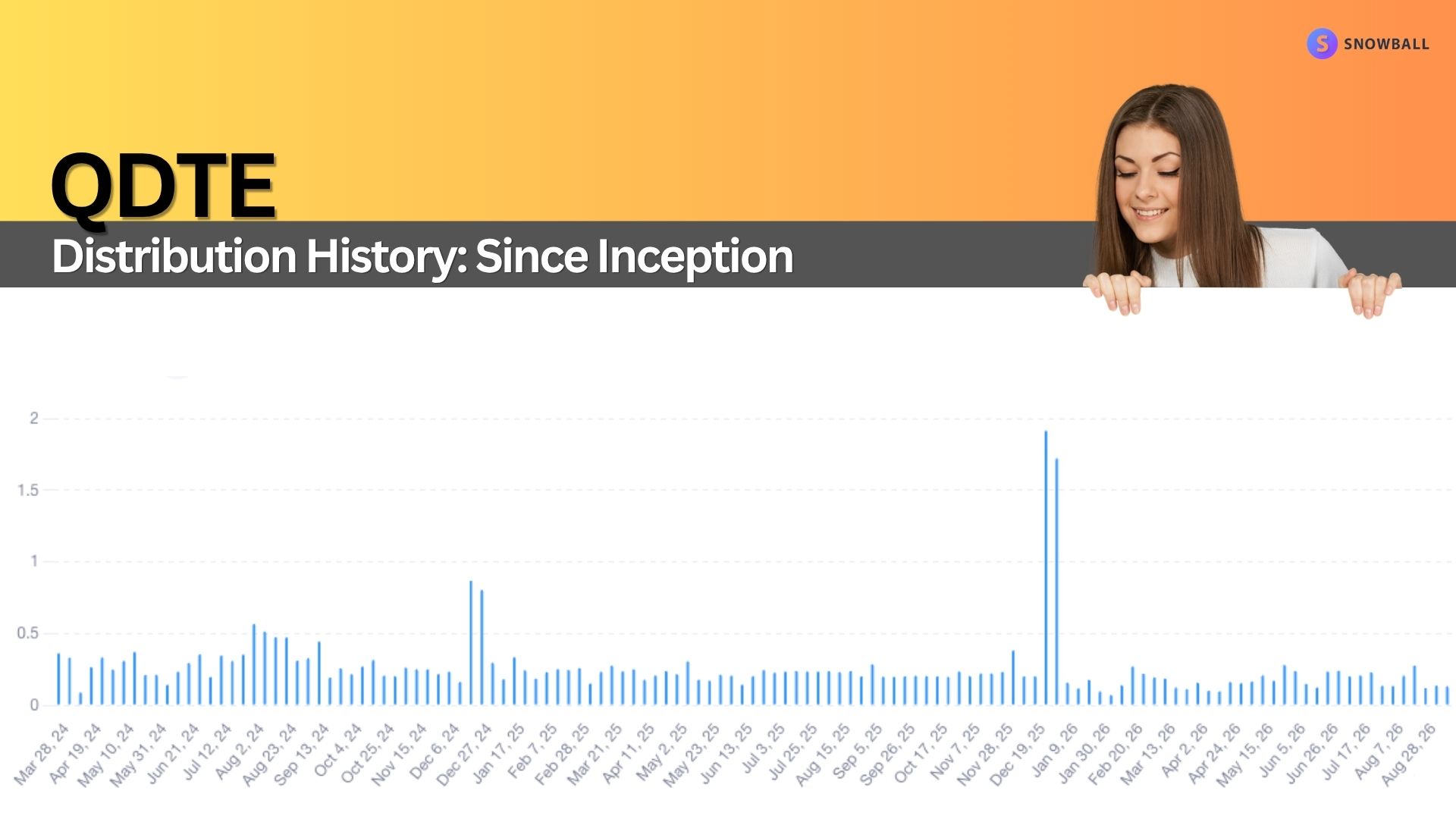
QDTE’s yield looks spectacular on the surface, but it comes with a catch. Its price chart has been trending down while GPIQ and TDAQ have appreciated. That suggests QDTE may be over-distributing. In other words, not all of that giant yield is truly spendable income if you want to preserve capital.
My Take
I understand the appeal of TDAQ and QDTE, especially for investors who want maximum income today. But for now, I still prefer GPIQ.
It has the lower expense ratio, the steadier income profile, and a more established-looking path of total return. TDAQ is intriguing and off to a very strong start. QDTE has produced impressive total return too, but the combination of a falling share price and extremely erratic payouts makes me more cautious.
For me, GPIQ remains the best blend of income, simplicity, and long-term potential.
To learn more, click here for the full Review.
Want to see how these funds fit into a real-world retirement strategy? I share my full portfolio and monthly updates for free, here: Armchair Insider. If you want to learn from other Income Investors (I do!), check out the Armchair Insider Lounge.