

 Stock Analysis
 General
 Library

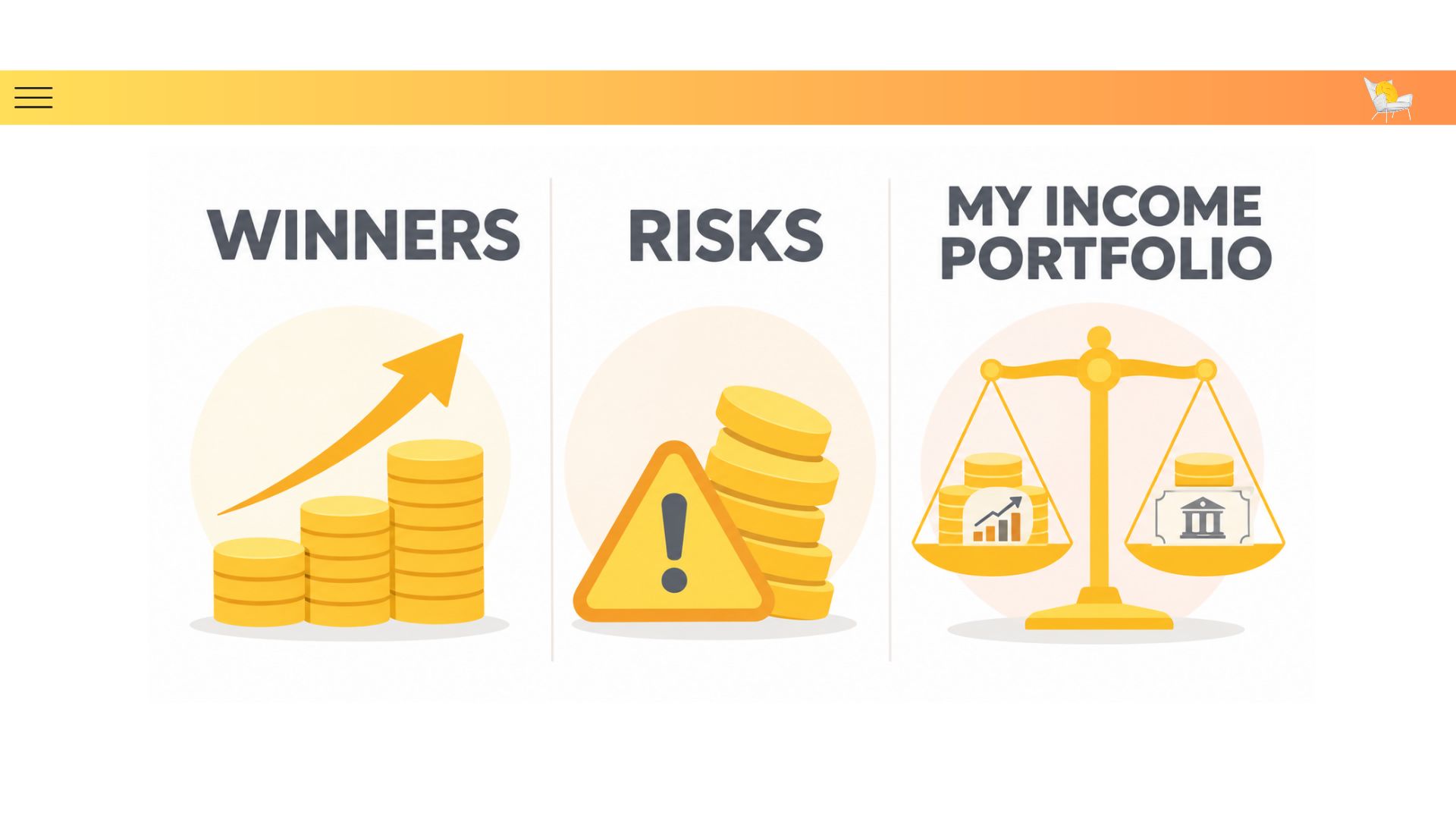
When the Federal Reserve raises interest rates, should income investors rush toward floating-rate investments and avoid utilities, bonds, and stocks?
Not necessarily.
Higher rates can increase investment income, leave distributions unchanged, or put pressure on both payouts and share prices. Understanding those differences matters more than trying to predict the Fed's next move.
Floating-Rate Credit: More Income
Floating-rate investments are among the clearest beneficiaries of higher interest rates.
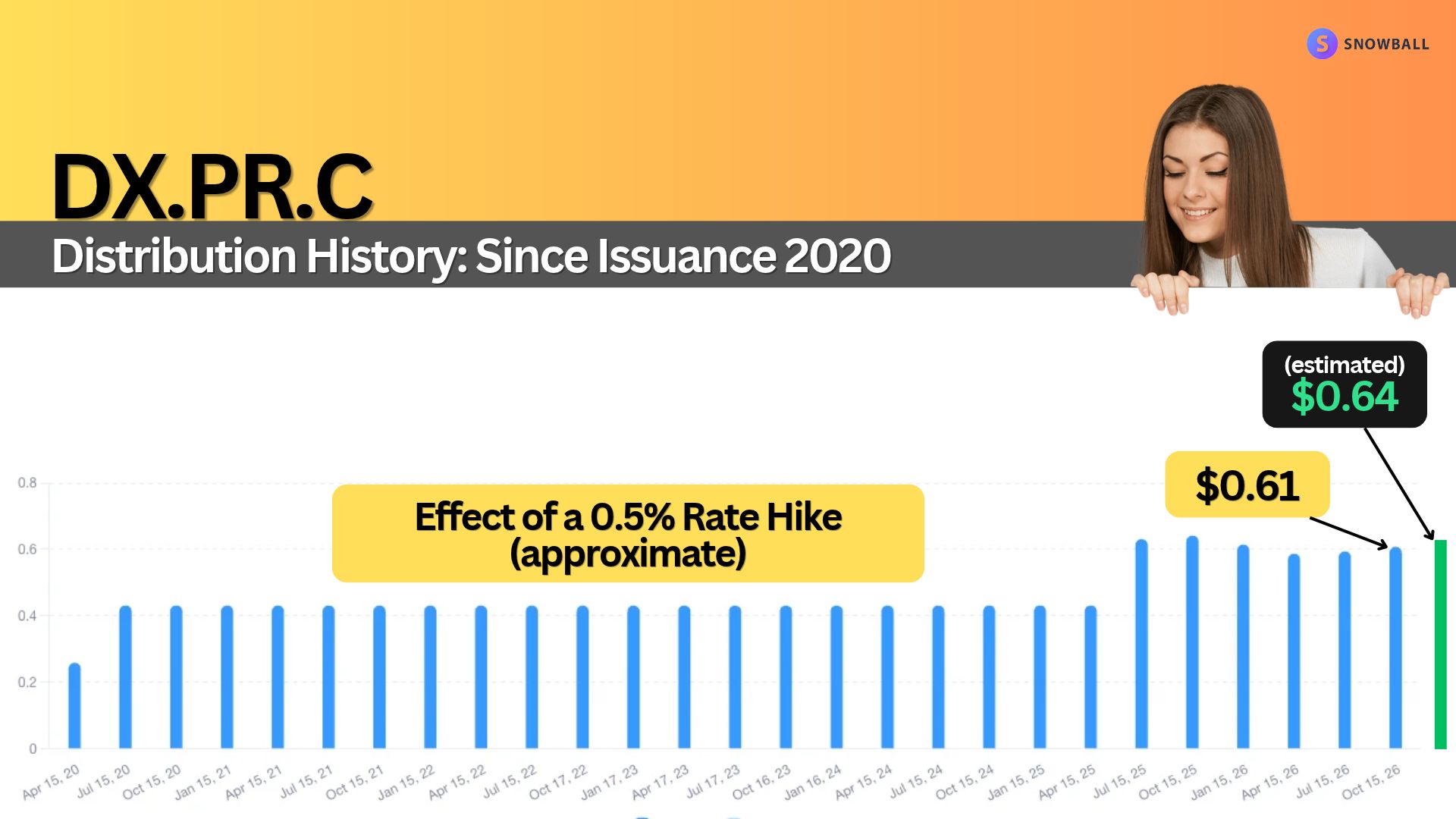
Take Dynex Capital's Series C preferred shares (DX.PR.C). Its dividend follows three-month Term SOFR plus approximately 5.72%, producing an annualized rate above 9% in October 2026.
If SOFR rises half a percentage point, the quarterly payment could increase from roughly $0.61 to $0.64 per share. That's a direct income increase, although investors must also consider the issuer's redemption rights.
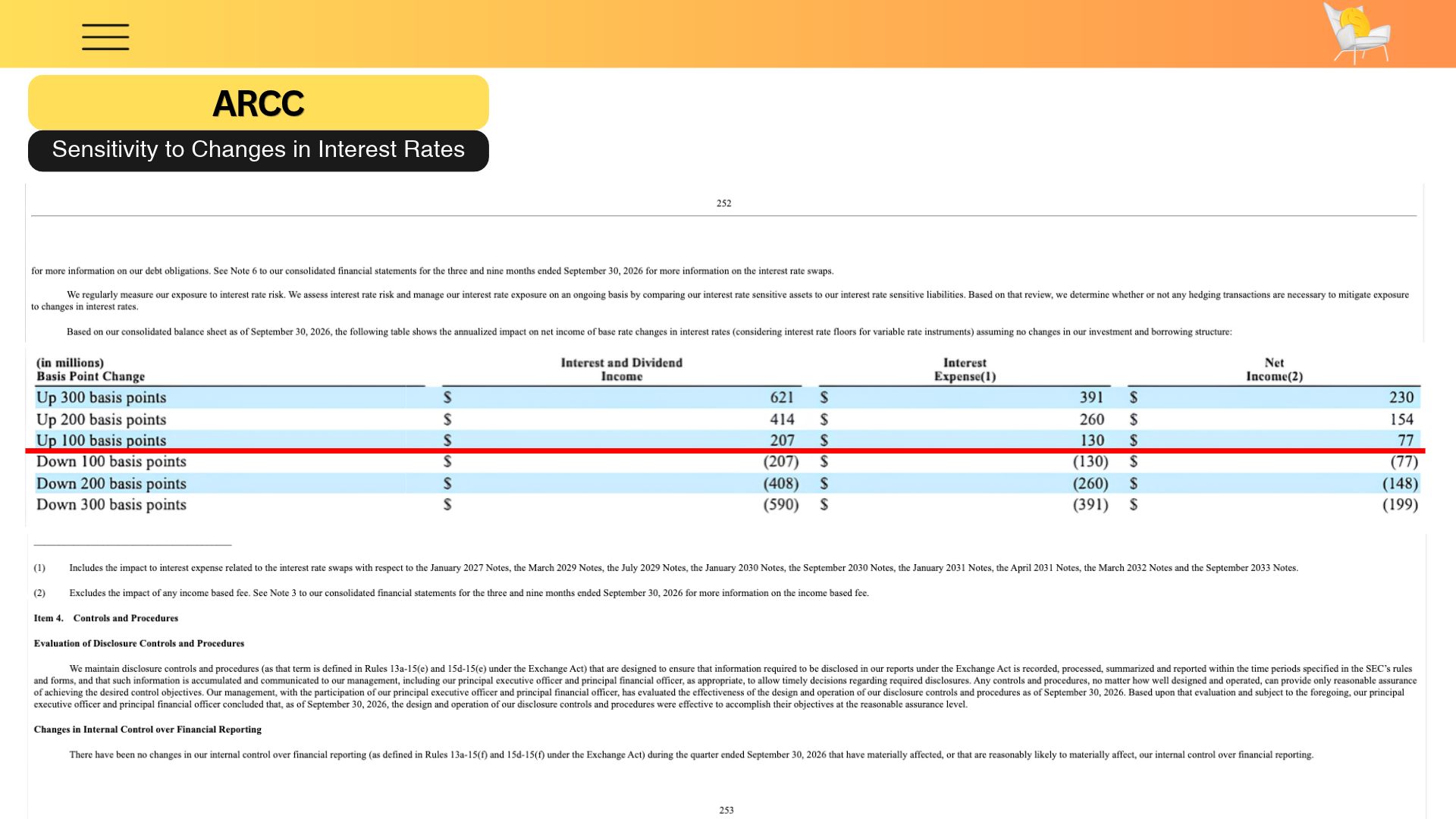
Business Development Companies can also benefit. Ares Capital (ARCC), yielding nearly 10%, primarily makes floating-rate loans.
Its SEC filing estimates that a one-percentage-point rate increase would add approximately $77 million in annual net income. However, shareholders shouldn't automatically expect an immediate dividend increase.
Fixed-Rate Credit: Same Income, Different Price
Fixed-rate investments behave differently.
Take ADAMH, a corporate note paying approximately $0.6172 quarterly through October 2030, assuming the issuer meets its obligations and the notes remain outstanding.
Higher interest rates won't increase those payments. Instead, the market price may decline as competing investments offer more attractive yields.
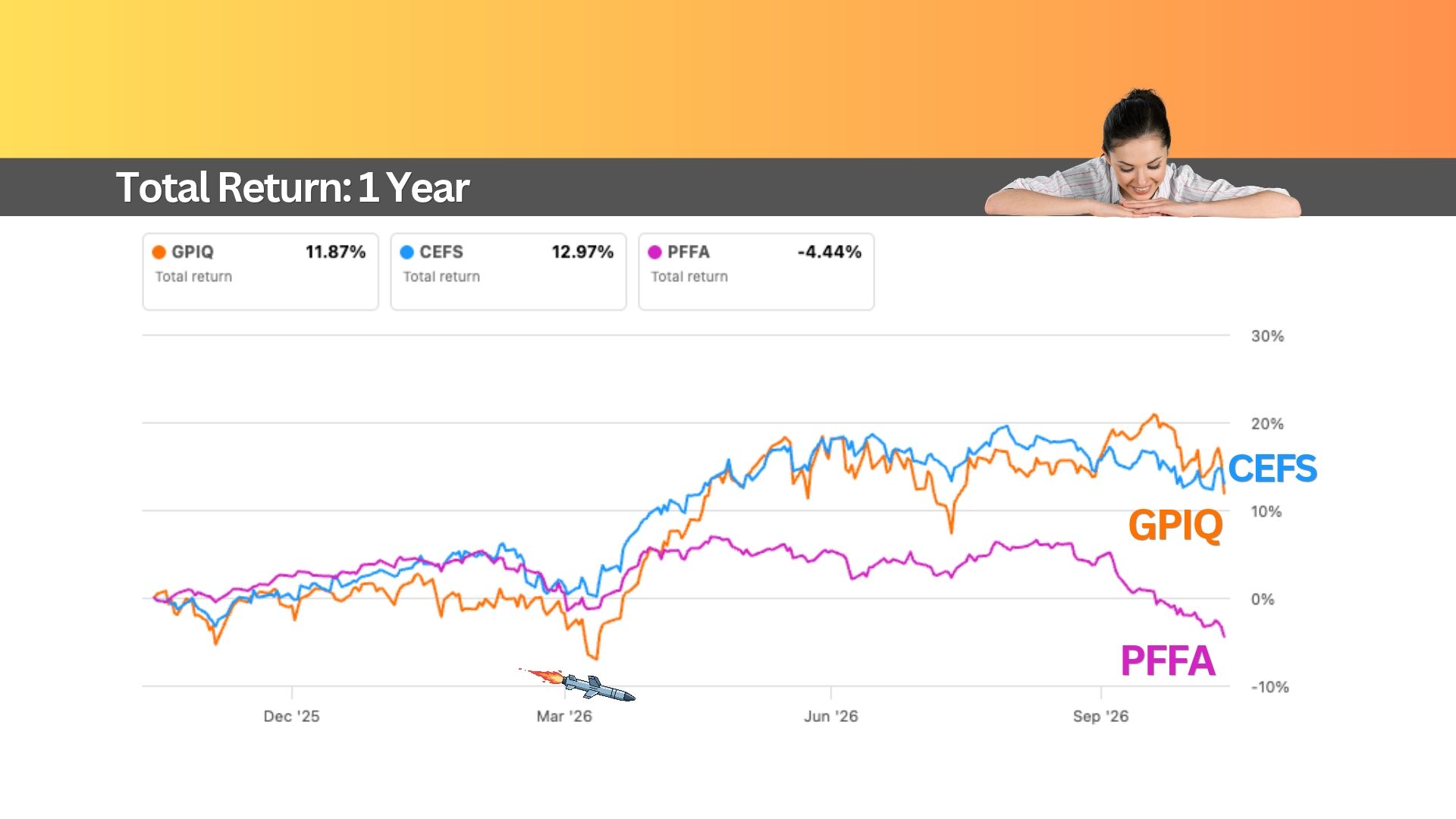
PFFA, my preferred-stock fund yielding nearly 11%, faces similar pressures because much of its portfolio consists of fixed-rate securities.
Its distributions have remained consistent, but rising rate expectations may help explain recent price weakness.
Equity Funds: A More Complicated Relationship
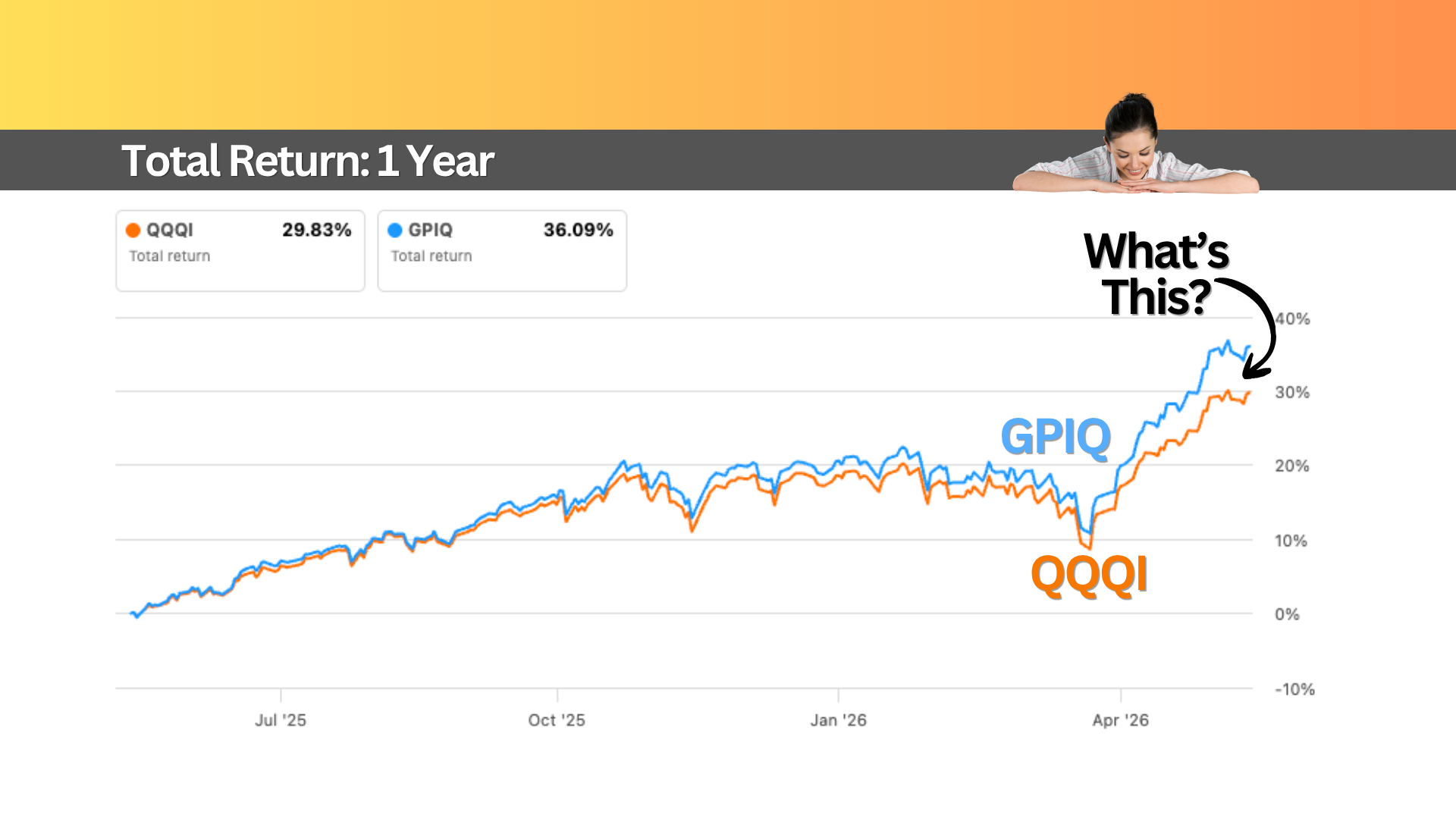
Covered call funds such as GPIQ don't respond directly to interest-rate changes.
Higher rates can pressure technology stocks, potentially reducing portfolio value and future option income. However, market selloffs can increase volatility, making newly written options more valuable.
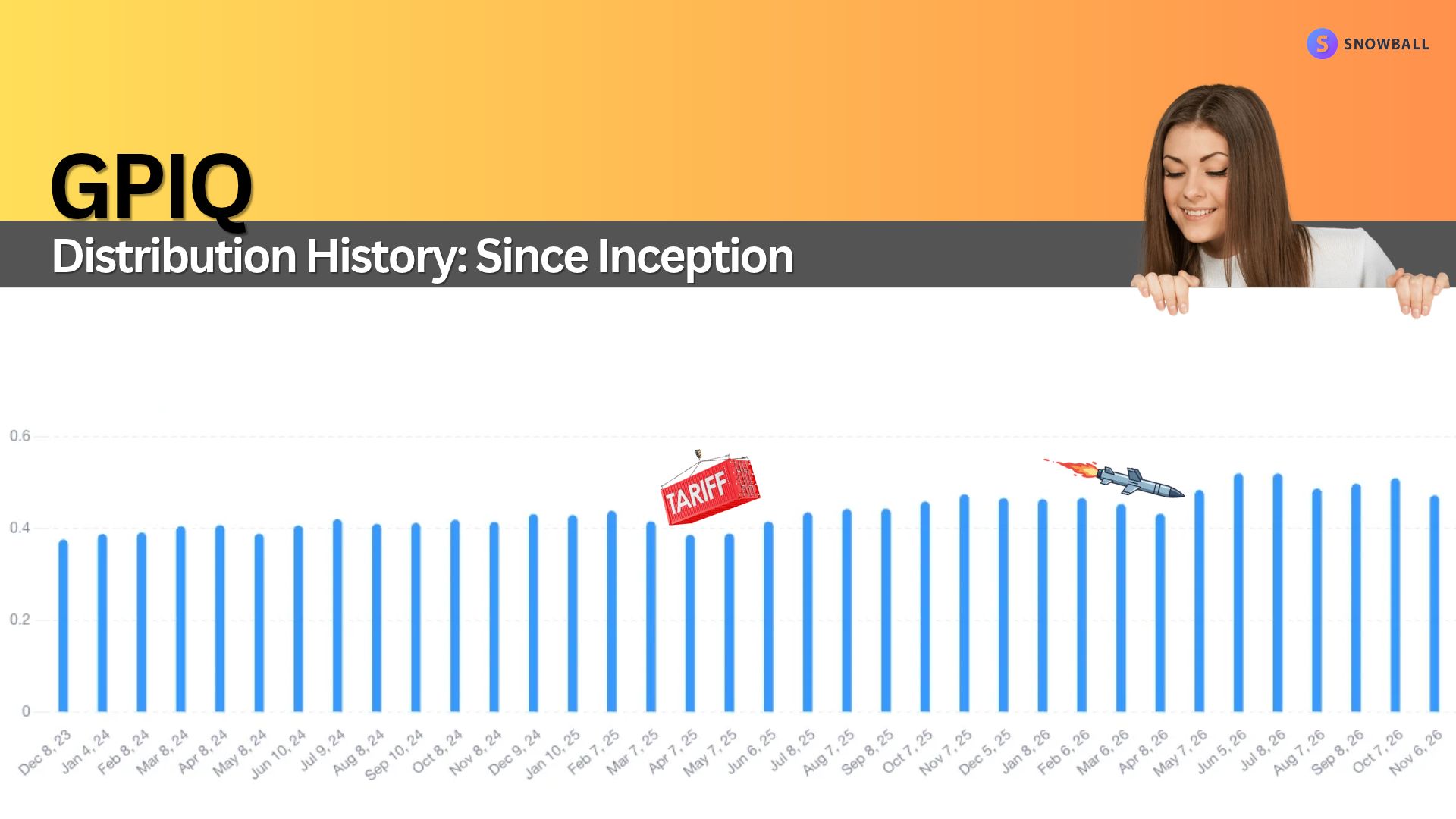
That explains why predicting distributions from Fed announcements alone is unreliable.
Utilities: Higher Rates Aren't Always Bad
Utilities and infrastructure businesses generally borrow heavily, so higher rates increase financing costs.
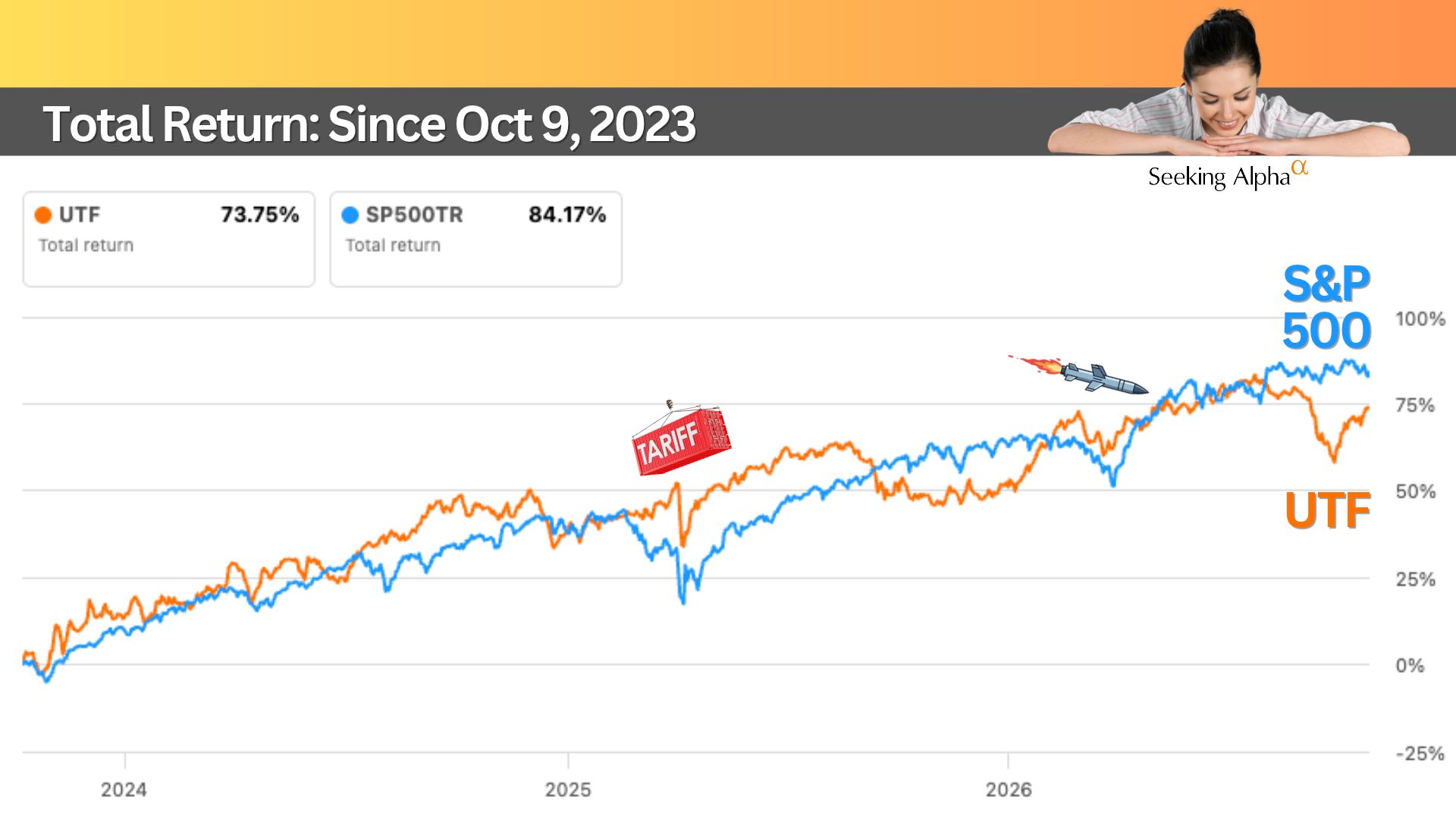
UTF faces additional exposure because the fund itself uses leverage.
However, investors who purchased UTF when rates were elevated in October 2023 subsequently enjoyed impressive returns.
My Take
I don't rearrange my portfolio whenever the Fed changes direction.
To profit consistently from rate predictions, I'd need to forecast both Fed policy and the market's response. That's a difficult combination.
Instead, I maintain a mix of floating-rate credit, fixed-rate income, covered call funds, and infrastructure investments.
Some holdings benefit from rising rates, while others perform better when rates fall.
My priority remains the same: sustainable distributions, reasonable valuations, and diversified income sources, regardless of what the Fed announces next.
To learn more, click here for the full Review.
Want to see how these funds fit into a real-world retirement strategy? I share my full portfolio and monthly updates for free, here: Armchair Insider. If you want to learn from other Income Investors (I do!), check out the Armchair Insider Lounge.