

 Stock Analysis
 General
 Library


These are the dividend payers Morningstar's analysts keep coming back to—and what their numbers look like today.
What separates a good dividend stock from a merely high-yielding one?
The short answer:
durability a 7% yield means little if the payout gets cut next year, while a modest yield can become a meaningful income stream if the company keeps raising it for decades. The best dividend stocks share a competitive advantage that protects profits, a payout the business can afford, and a price that doesn't already bake in all the good news.
Rather than build yet another screen, we went back through Morningstar's dividend coverage and asked a simple question: which stocks do its analysts recommend again and again?
How We Built This List
We reviewed 17 Morningstar articles on top dividend stocks published between 2024 and November 2026 by 10 different authors across its US, UK, Canadian, and Australian editions—annual best-dividend lists, dividend aristocrat and king roundups, and "buy and hold forever" pieces. Then we:
counted every time a US-listed stock appeared as a recommended pick;
left out stocks mentioned only as cautionary examples (such as companies that cut their dividends);
broke ties in favor of stocks that showed up more often in 2026 lists;
refreshed every data point so the numbers reflect today, not the date each article was published.
The result is a consensus list: 10 stocks that Morningstar's research has highlighted at least three times each—several of them in seven separate articles.
Prices and dividend yields are as of the November 6, 2026, close. Morningstar fair value estimates and moat ratings are taken from the most recent publicly available Morningstar article for each company, with the date noted. Dividend amounts, payout ratios, and growth rates come from Snowball Analytics; dividend track records come from company announcements. This list summarizes third-party research for educational purposes; it is not a recommendation to buy, sell, or hold any of these stocks.
The 10 Best Dividend Stocks for 2026
Medtronic (MDT)
PepsiCo (PEP)
Clorox (CLX)
Duke Energy (DUK)
Mondelez International (MDLZ)
Kimberly-Clark (KMB)
Microsoft (MSFT)
Brown-Forman (BF.B)
Realty Income (O)
Verizon Communications (VZ)
1. Medtronic (MDT)
Featured in Morningstar lists: 7 times
Forward dividend yield: 2.83%
Annual dividend per share: $2.88
Dividend record: 49 consecutive years of increases (dividend aristocrat)
Morningstar moat rating: Narrow
Price vs. Morningstar fair value: about 9% below its $112 estimate (estimate as of Sept. 25, 2026)
Sector: Healthcare

Medtronic ties for the most appearances in our review. It's the world's largest pure-play medical-device maker, with products spanning cardiac devices, spine, neuromodulation, and surgical tools—a breadth that makes it a key hospital supplier. Morningstar senior analyst Debbie S. Wang's latest report argues the company is well positioned for 2027 thanks to a lineup of new products.
Medtronic got more focused this year, completing the separation of its diabetes business, MiniMed, in October. In June, it raised its quarterly dividend to $0.72, its 49th consecutive annual increase—one more and it joins the dividend kings. The company aims to return at least half of its free cash flow to shareholders; recently that has run at 60% to 70%. With the stock near the top of its 52-week range, the discount to fair value has narrowed.
See Medtronic's dividend history and payout data on Snowball Analytics →
2. PepsiCo (PEP)
Featured in Morningstar lists: 7 times
Forward dividend yield: 4.19%
Annual dividend per share: $5.92
Dividend record: 54 consecutive years of increases (dividend king)
Morningstar moat rating: Wide
Price vs. Morningstar fair value: about 16% below its $169 estimate (estimate as of Sept. 25, 2026)
Sector: Consumer Defensive
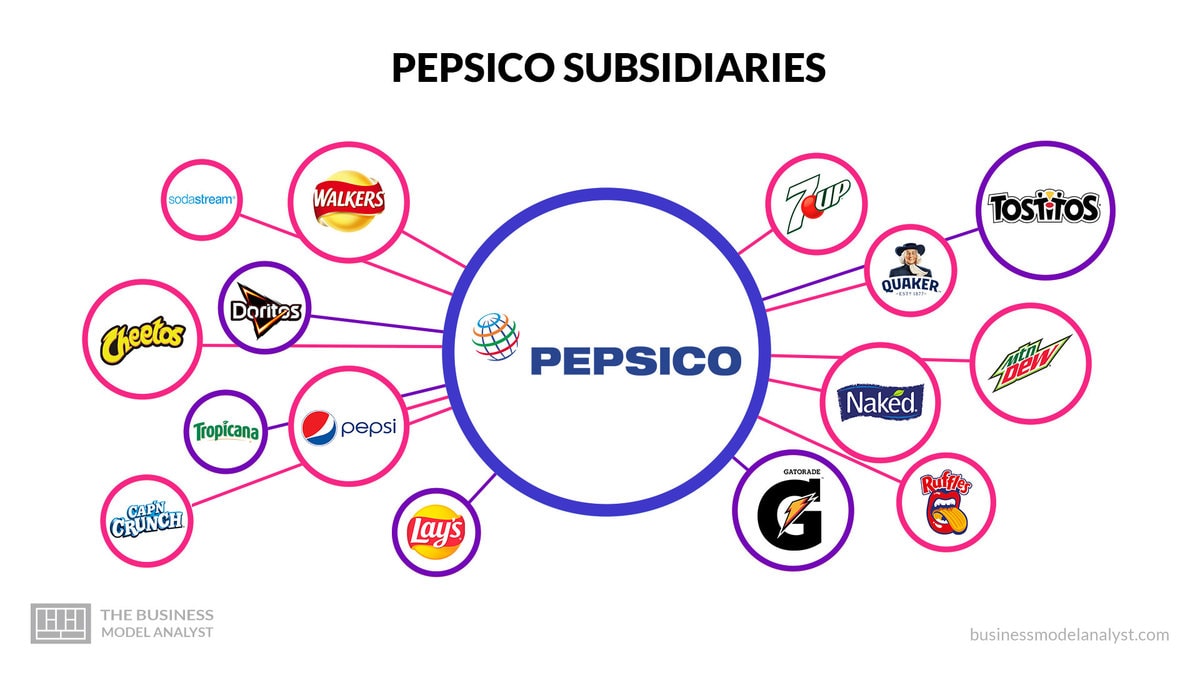
PepsiCo matched Medtronic with seven appearances and is the only stock on our list that Morningstar has featured as a dividend king, a high-yield income pick, and a dividend aristocrat in the same year. Its moat rests on brands like Pepsi, Lay's, Doritos, and Gatorade, along with the distribution scale to keep them on shelves around the world.
The past two years haven't been easy. Cost-conscious shoppers have pulled back on snacks and soda, and in October PepsiCo cut its 2026 earnings-growth outlook to 2.5%–3.5% and announced further cost cuts—part of an overhaul that followed an agreement with activist investor Elliott Management in late 2025. Still, Morningstar senior analyst Kristoffer Inton expects mid-single-digit dividend growth over the next decade, with the payout ratio settling in the low 70s. February's 4% raise lifted the annual dividend to $5.92. One number to watch: on trailing earnings, the payout ratio is close to 90%.
See PepsiCo's dividend history and payout data on Snowball Analytics →
3. Clorox (CLX)
Featured in Morningstar lists: 6 times
Forward dividend yield: 5.00%
Annual dividend per share: $5.00
Dividend record: Dividend aristocrat; raised to $1.25 per quarter in July 2026
Morningstar moat rating: Wide
Price vs. Morningstar fair value: about 35% below its $154 estimate (estimate as of Sept. 10, 2026)
Sector: Consumer Defensive

Clorox is the most deeply discounted stock on our list, and that's no accident. It has weathered post-pandemic volume fatigue, cost inflation, a 2023 cyberattack, and a bumpy systems overhaul. Through it all, notes Morningstar director Erin Lash, Clorox kept investing behind brands like Clorox, Glad, Kingsford, and Burt's Bees. Her November earnings note calls brand spending "unwavering" and the shares a bargain, and she expects mid-single-digit dividend growth over the next decade, with the payout ratio easing toward 60% from nearly 90% today.
Two changes are worth watching. Clorox bought Purell maker GOJO Industries earlier this year in a largely debt-funded deal, and in October it named Fabian Garcia as CEO, effective January 2027. July's modest 0.8% raise suggests management is protecting the payout while the balance sheet absorbs the deal.
See Clorox's dividend history and payout data on Snowball Analytics →
4. Duke Energy (DUK)
Featured in Morningstar lists: 5 times
Forward dividend yield: 3.40%
Annual dividend per share: $4.34
Dividend record: 100 consecutive years of cash dividends
Morningstar moat rating: Narrow
Price vs. Morningstar fair value: roughly in line with its $131 estimate (estimate as of Sept. 25, 2026)
Sector: Utilities
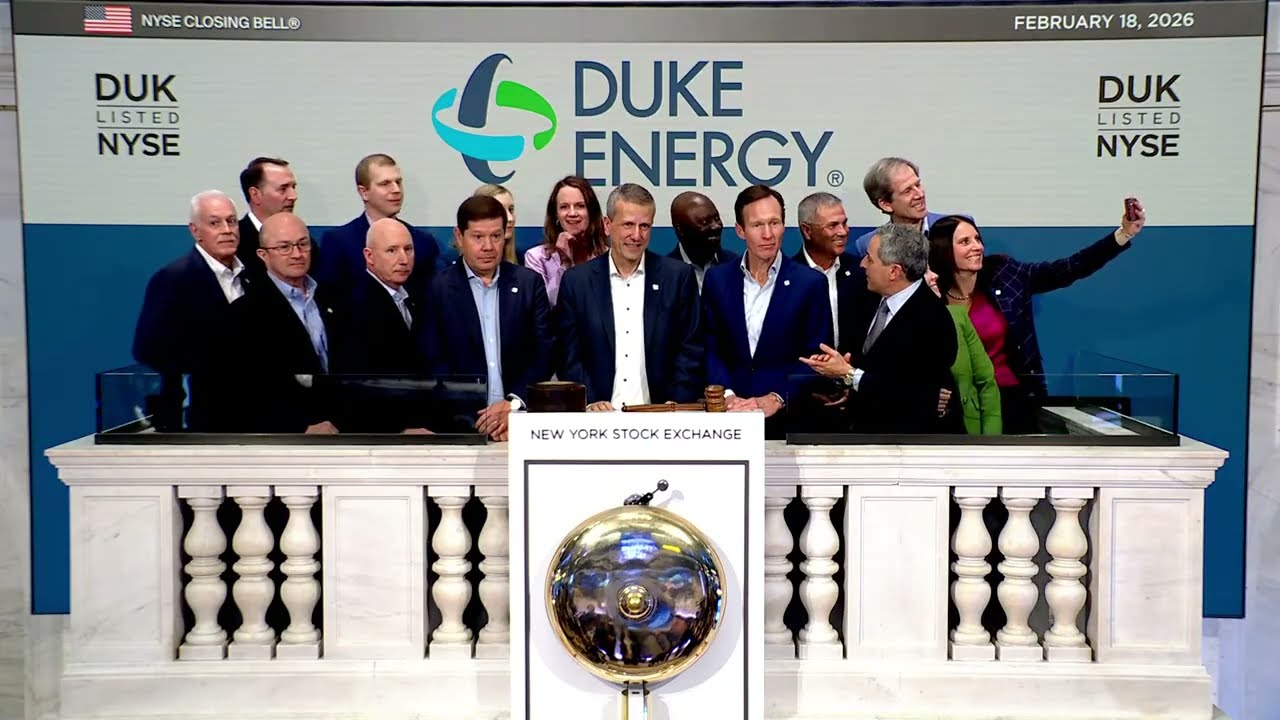
Duke Energy is one of the largest regulated utilities in the US. Morningstar senior analyst Andrew Bischof credits its narrow moat to constructive regulation and above-average economic growth in regions like the Carolinas and Florida, and Morningstar expects about 5% annual dividend growth over time. In July, Duke raised its quarterly dividend to $1.085.
Data centers have made the story more interesting. Third-quarter operating earnings rose to $1.99 per share from $1.81, and Duke plans to invest more than $103 billion through 2030. After a strong run, the stock now trades close to Morningstar's fair value estimate, so its valuation discount is the smallest on this list.
See Duke Energy's dividend history and payout data on Snowball Analytics →
5. Mondelez International (MDLZ)
Featured in Morningstar lists: 5 times
Forward dividend yield: 3.15%
Annual dividend per share: $2.08
Dividend record: Raised 4% to $0.52 per quarter in July 2026
Morningstar moat rating: Wide
Price vs. Morningstar fair value: about 14% below its $77 estimate (estimate as of Aug. 13, 2026)
Sector: Consumer Defensive
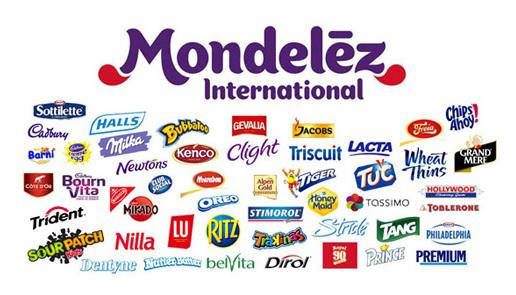
The maker of Oreo, Cadbury, Milka, and Toblerone earns a wide moat from its entrenched retail relationships and a portfolio that includes several billion-dollar brands. Roughly 70% of its revenue comes from outside the US, which gives it exposure to faster-growing emerging markets.
Mondelez has absorbed record cocoa costs, but recent results suggest the worst may be behind it. Third-quarter organic sales grew 2.1% and adjusted gross margin jumped 380 basis points to 34.2%; Morningstar's Erin Lash titled her note "Shares Offer a Tasty Treat." Mondelez also has the fastest dividend growth among the consumer names here, nearly 9% a year over five years.
See Mondelez's dividend history and payout data on Snowball Analytics →
6. Kimberly-Clark (KMB)
Featured in Morningstar lists: 4 times
Forward dividend yield: 4.72%
Annual dividend per share: $5.12
Dividend record: 54 consecutive years of increases (dividend king)
Morningstar moat rating: Narrow
Price vs. Morningstar fair value: about 21% below fair value as of Sept. 10, 2026 (before the Kenvue deal closed)
Sector: Consumer Defensive
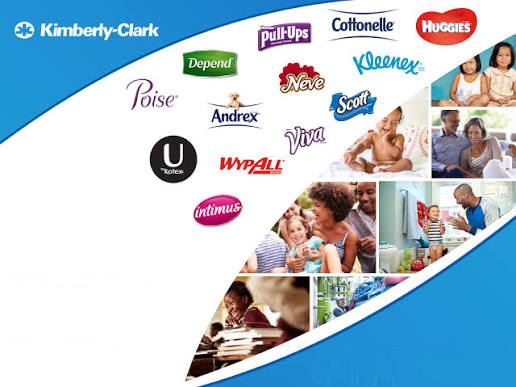
Kimberly-Clark owns a stable of household names—Huggies, Kleenex, Scott, Cottonelle, Depend, and Kotex—that support its narrow moat. Morningstar's long-term outlook calls for mid-single-digit annual dividend growth.
2026 is a transition year, though. On November 2, Kimberly-Clark closed its acquisition of Kenvue, the maker of Tylenol, Listerine, Neutrogena, and Band-Aid, in a deal valued at about $48.7 billion. The company expects roughly $2.1 billion in run-rate synergies—a target Morningstar called ambitious when the deal was announced. Kimberly-Clark currently yields about 4.7% and has one of the market's longest dividend-growth records; a key risk to watch is whether integration costs slow future raises.
See Kimberly-Clark's dividend history and payout data on Snowball Analytics →
7. Microsoft (MSFT)
Featured in Morningstar lists: 4 times
Forward dividend yield: 0.74%
Annual dividend per share: $3.92
Dividend record: Raised 8% to $0.98 per quarter in September 2026
Morningstar moat rating: Wide
Price vs. Morningstar fair value: about 12% below its $600 estimate (estimate as of Oct. 29, 2026)
Sector: Technology
Microsoft is the odd one out on a dividend list—its yield is well under 1%. But with a payout ratio below 20% and five-year dividend growth near 10%, its record is one of low yield but fast dividend growth, and it is a top holding of highly rated dividend-growth funds.
Morningstar's latest note says Azure growth accelerated again, though returns on Microsoft's heavy AI spending remain the key test; after a strong rebound from spring lows, the stock sits in Morningstar's 3-star (fairly valued) range. Among the 10 stocks here, it has the lowest yield and the lowest payout ratio.
See Microsoft's dividend history and payout data on Snowball Analytics →
8. Brown-Forman (BF.B)
Featured in Morningstar lists: 3 times
Forward dividend yield: 3.02%
Annual dividend per share: $0.92
Dividend record: 42 consecutive years of increases (dividend aristocrat)
Morningstar moat rating: Wide
Price vs. Morningstar fair value: about 13% below its $35 estimate (estimate as of Sept. 10, 2026)
Sector: Consumer Defensive
The company behind Jack Daniel's, Woodford Reserve, and Old Forester appeared in all three of Morningstar's 2026 dividend aristocrat lists. Its wide moat comes from premium spirits brands that take decades to build and command pricing power.
Spirits are out of favor as consumers drink less and trade down, and Morningstar says those headwinds are weighing on Brown-Forman's growth. Even so, Kristoffer Inton expects dividends to grow alongside earnings, with a payout ratio near 52%—a level he calls prudent.
It has been an eventful year: merger talks with Pernod Ricard ended without a deal in April, the board turned down takeover approaches from Sazerac, and the company is searching for a successor to CEO Lawson Whiting. The Brown family controls a majority of the votes, so any deal would need its support. Brown-Forman has historically announced its annual raise in late November.
See Brown-Forman's dividend history and payout data on Snowball Analytics →
9. Realty Income (O)
Featured in Morningstar lists: 3 times
Forward dividend yield: 5.52%
Annual dividend per share: $3.26 (paid monthly)
Dividend record: 676 consecutive monthly dividends; increases for more than 31 consecutive years (dividend aristocrat)
Price vs. Morningstar fair value: about 18% below its $72 estimate (estimate as of July 24, 2026)
Sector: Real Estate
Realty Income calls itself "The Monthly Dividend Company," and it's the only stock on this list that pays every month. As a REIT, it must distribute at least 90% of its taxable income, and long-term net leases with tenants like grocery, convenience, and dollar stores make its rent unusually predictable. In Morningstar senior analyst Kevin Brown's view, its dividend is one of the more stable sources of income for investors—though, like any dividend, it is not guaranteed.
The trade-off is growth: the dividend has risen only about 3% a year over five years, though September brought its 136th increase since its 1994 NYSE listing, and the company keeps investing more than $2 billion a quarter. REIT dividends are generally taxed as ordinary income, which matters in a taxable account.
See Realty Income's dividend history and payout data on Snowball Analytics →
10. Verizon Communications (VZ)
Featured in Morningstar lists: 3 times
Forward dividend yield: 6.19%
Annual dividend per share: $2.83
Dividend record: 20 consecutive years of increases
Morningstar moat rating: Narrow
Price vs. Morningstar fair value: about 15% below its $54 estimate (estimate as of Sept. 25, 2026)
Sector: Communication Services
Verizon rounds out our list with the highest yield of the group. Morningstar senior analyst Mike Hodel notes that price cuts have revived customer growth this year, and his latest earnings note says wireless momentum is building. Verizon put about 60% of its 2025 cash flow toward the dividend and has started buying back shares again.
A 6%-plus yield always deserves scrutiny, and Verizon carries heavy debt from years of spectrum purchases. But unlike AT&T, which cut its dividend in 2022, Verizon keeps raising its payout: January's 2.5% increase to $0.7075 a quarter was its 20th in a row. It also closed its roughly $20 billion purchase of Frontier Communications to expand its fiber network and authorized up to $25 billion in buybacks.
See Verizon's dividend history and payout data on Snowball Analytics →
The 10 Best Dividend Stocks at a Glance
Company | Ticker | Fwd. yield | Moat | Price vs. fair value* | Morningstar mentions |
Medtronic | MDT | 2.83% | Narrow | ~9% below | 7 |
PepsiCo | PEP | 4.19% | Wide | ~16% below | 7 |
Clorox | CLX | 5.00% | Wide | ~35% below | 6 |
Duke Energy | DUK | 3.40% | Narrow | Near fair value | 5 |
Mondelez | MDLZ | 3.15% | Wide | ~14% below | 5 |
Kimberly-Clark | KMB | 4.72% | Narrow | ~21% below (pre-deal) | 4 |
Microsoft | MSFT | 0.74% | Wide | ~12% below | 4 |
Brown-Forman | BF.B | 3.02% | Wide | ~13% below | 3 |
Realty Income | O | 5.52% | — | ~18% below | 3 |
Verizon | VZ | 6.19% | Narrow | ~15% below | 3 |
*Based on the November 6, 2026, closing price and the most recent public Morningstar fair value estimate for each company (dates noted above). Morningstar updates its estimates regularly, so check the latest figures before relying on them.
Risks to Keep in Mind
A list like this is a starting point for research, not a shopping list. A few points are worth keeping in mind:
A long dividend record is not a guarantee. Former dividend aristocrats like AT&T, VF Corp, and 3M have all cut their payouts in recent years. Track records tell you about management's priorities, not about next year's cash flow.
Payout ratios differ. PepsiCo and Clorox currently pay out close to 90% of trailing earnings. Analysts expect those ratios to come down as earnings recover, but a high payout ratio leaves less room for error if they don't.
Valuation still matters. Even a great dividend stock can be a poor investment if you overpay. Duke Energy, for example, now trades close to Morningstar's fair value after a strong run.
The list is concentrated. Five of these 10 names are consumer staples companies, so they can be affected by the same pressures, such as input-cost inflation or weaker consumer spending.
Keeping Track of Your Dividend Income
Once you own a handful of dividend stocks, the hard part shifts from picking them to keeping tabs on them: when each company pays, whether it raised or cut its dividend, and how your income is trending. A portfolio tracker such as Snowball Analytics can automate much of that, with a dividend calendar and dividend analytics across your brokerage accounts. You can also add these stocks to a watchlist and follow their payouts before deciding anything.
Not financial advice. This article is provided for informational and educational purposes only. It is not financial advice, investment advice, or a recommendation to buy, sell, or hold any security, and it does not take into account your personal financial situation or goals.
The stocks named above are examples drawn from third-party research, including Morningstar analyst opinions, and reflect publicly available information as of the dates shown; prices, yields, ratings, and estimates change frequently. Dividends are not guaranteed and can be reduced or eliminated at any time. Past performance and past dividend payments do not guarantee future results, and all investing involves risk, including the possible loss of principal. Tax treatment of dividends depends on your situation; that's a question for your tax adviser. Do your own research or consult a qualified financial professional before making investment decisions. Snowball Analytics is a portfolio-tracking tool and is not a registered investment adviser or broker-dealer.
About the Author
Mark Ellison writes about dividend investing and long-term portfolio building for Snowball Analytics. He focuses on what makes income durable—payout ratios, dividend-growth track records, and the business quality behind them—and on turning analyst research into lists everyday investors can actually use.