

 Stock Analysis
 General
 Library
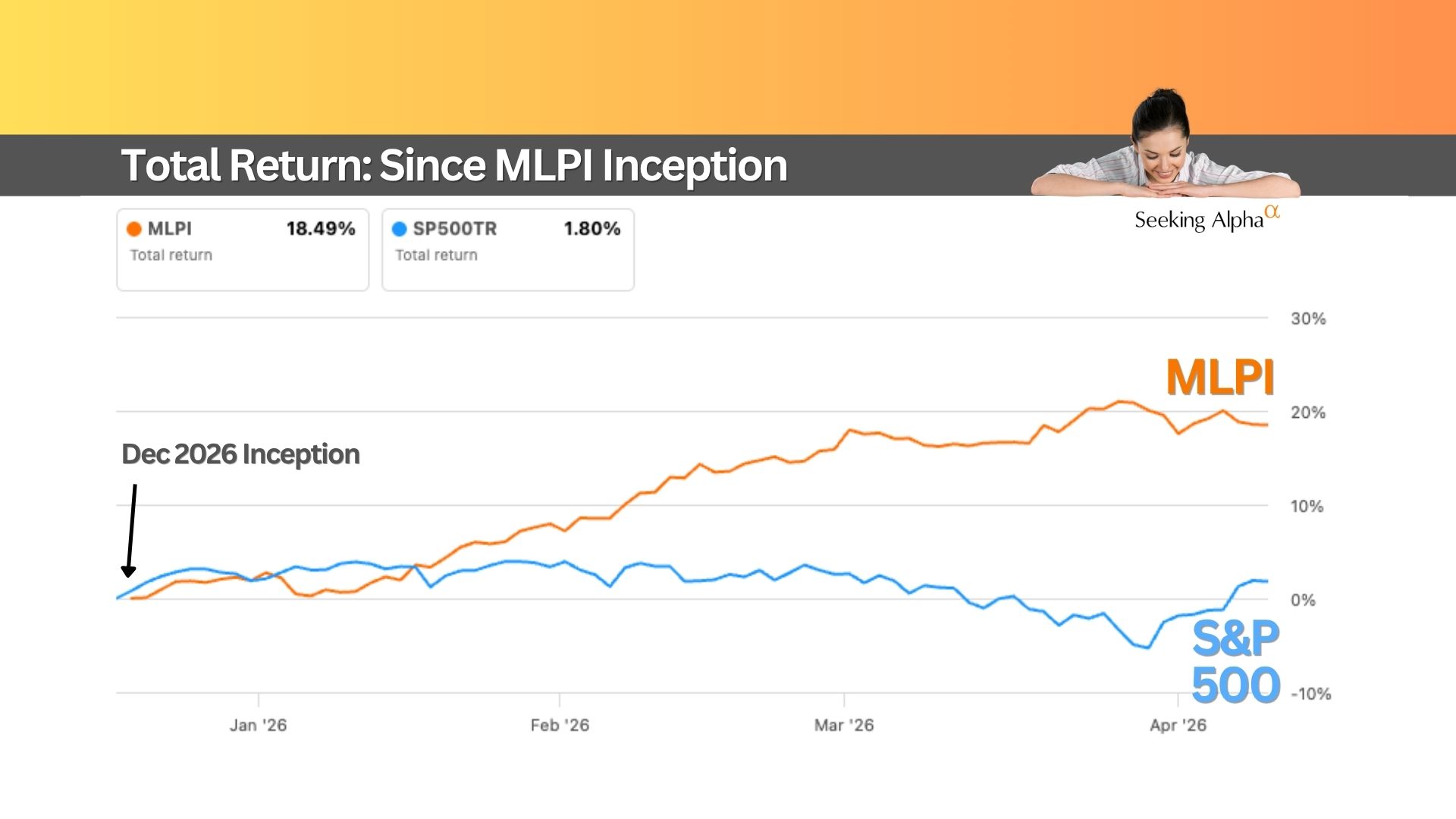
A 14% yield usually raises eyebrows—and for good reason. But in the case of MLPI, that number isn’t random. It’s built from a combination of high cash-flow assets and an active option strategy.
So the real question isn’t just “Is it high?”
It’s “Is it sustainable?”
Let’s break it down.
The Foundation: Midstream Energy
MLPI focuses on midstream energy infrastructure, the part of the energy supply chain responsible for transporting and storing oil and gas. These businesses don’t depend as heavily on commodity prices. Instead, they generate steady cash flow by moving energy from point A to point B.
That’s why this sector has always appealed to income investors. It tends to offer higher yields, more predictable cash flow, and less correlation with the broader stock market.

Where the Yield Comes From
The yield is split between two components. The underlying portfolio contributes roughly 5%, while the remaining 9–10% comes from the fund’s option strategy. That second layer is what pushes the total yield into the double digits.
A Hybrid Portfolio
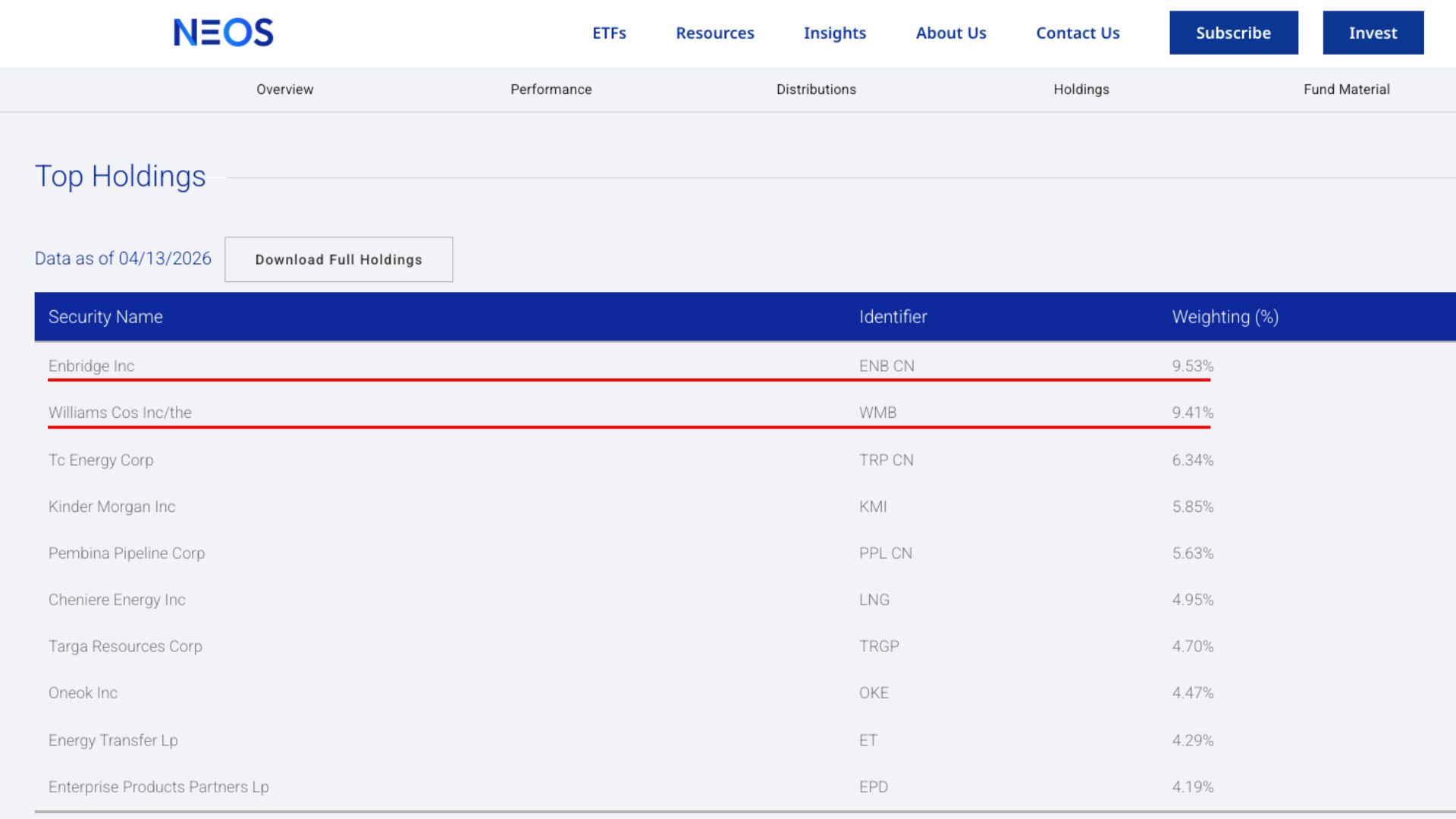
The portfolio itself is a mix of MLPs and C-corporations. MLPs are structured to distribute a larger share of their cash flow, which supports income. C-corporations, on the other hand, tend to reinvest more, offering better growth potential.
This combination creates a balance. Investors get income from the MLPs, while the C-corps provide some upside through price appreciation.
The Option Strategy
MLPI adds a second layer of income by selling covered calls. These options are typically written slightly out of the money and cover a majority of the portfolio. The income generated here is consistent, but it comes with a trade-off.
When markets rally strongly, some of the upside is capped. That’s exactly what we’ve seen recently.
Performance Trade-Off
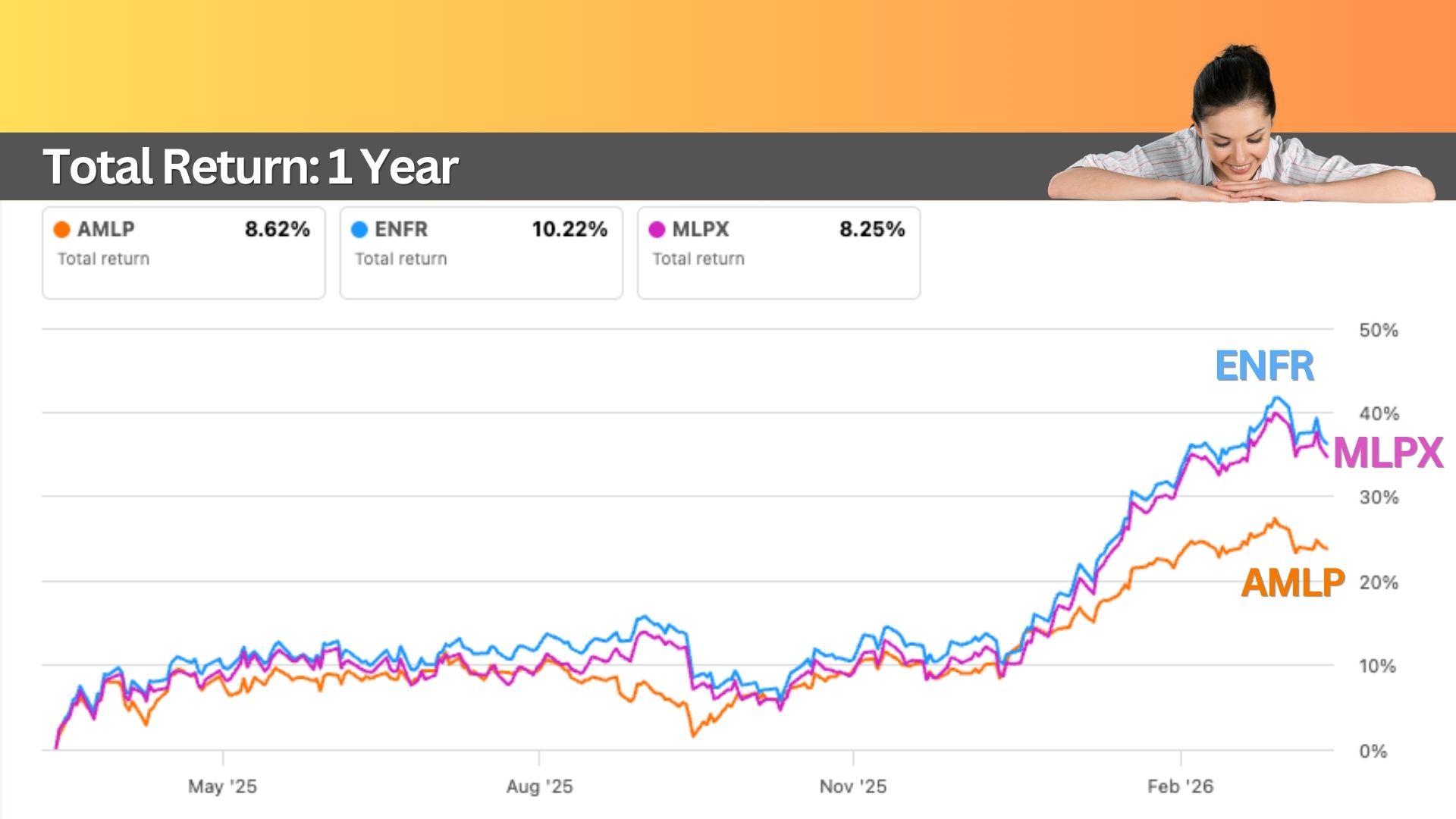
Funds without an option strategy have captured more of the recent gains in energy. MLPI hasn’t kept up on a total return basis, but that’s by design. Instead of maximizing price appreciation, it converts part of that upside into income.
If markets move sideways, that trade-off becomes much more attractive.
Tax Considerations
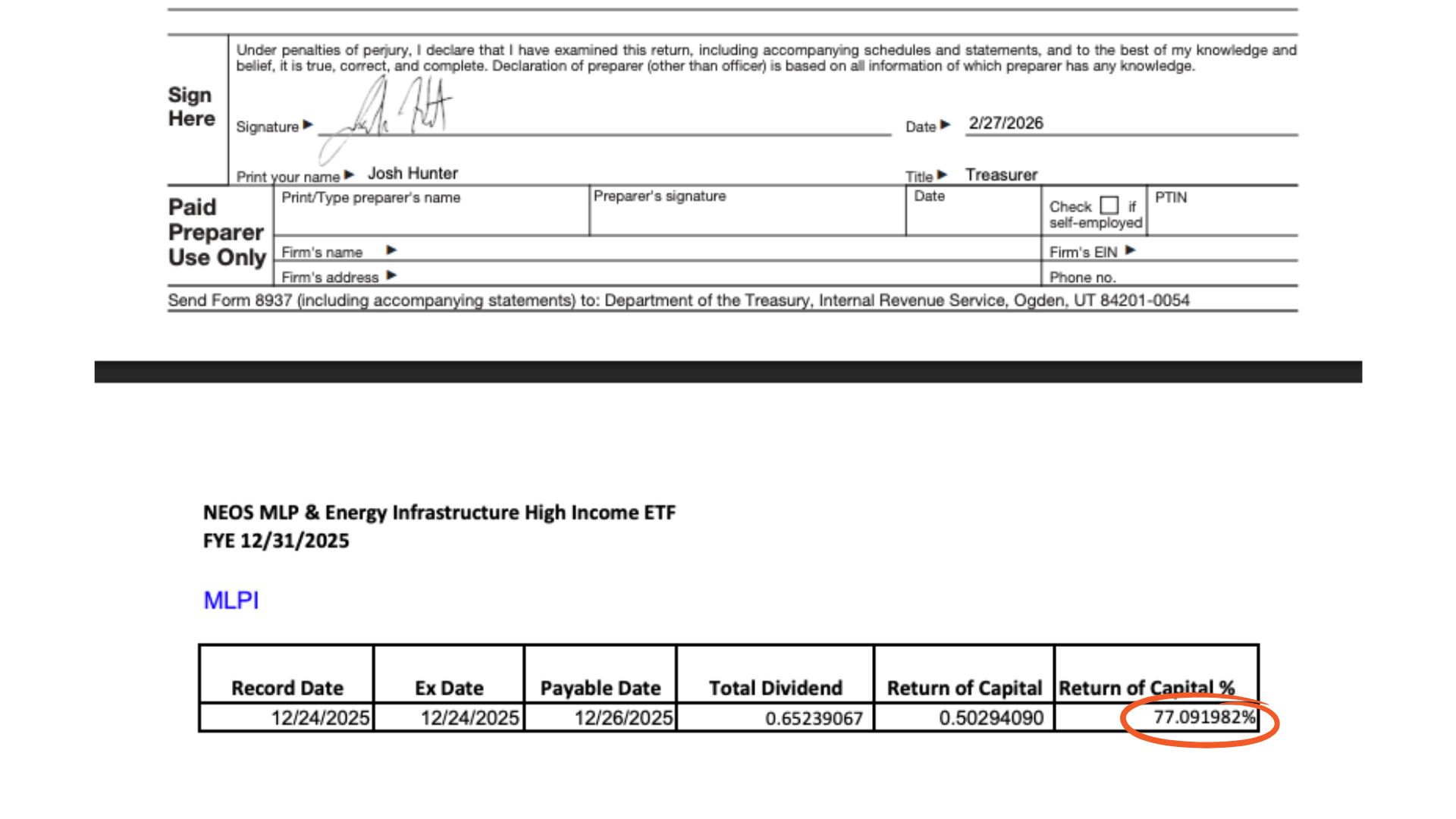
One interesting aspect is the potential for return of capital. This doesn’t come from losses in the portfolio itself, but from how the options are managed. When options lose value while the underlying holdings rise, that can create tax advantages for investors.
That said, early data showing a high return of capital came from a very short period, so it’s too soon to draw firm conclusions.
My Take
MLPI is clearly built for income first. The structure is designed to generate steady monthly cash flow, even if that means giving up some upside during strong markets.
For investors who want high income and are comfortable with that trade-off, it’s a compelling option. For those focused purely on total return, there are simpler alternatives.
To learn more, click here for the full Review.
Want to see how these funds fit into a real-world retirement strategy? I share my full portfolio and monthly updates for free, here: Armchair Insider. If you want to learn from other Income Investors (I do!), check out the Armchair Insider Lounge.