
 Stock Analysis
 General
 Library

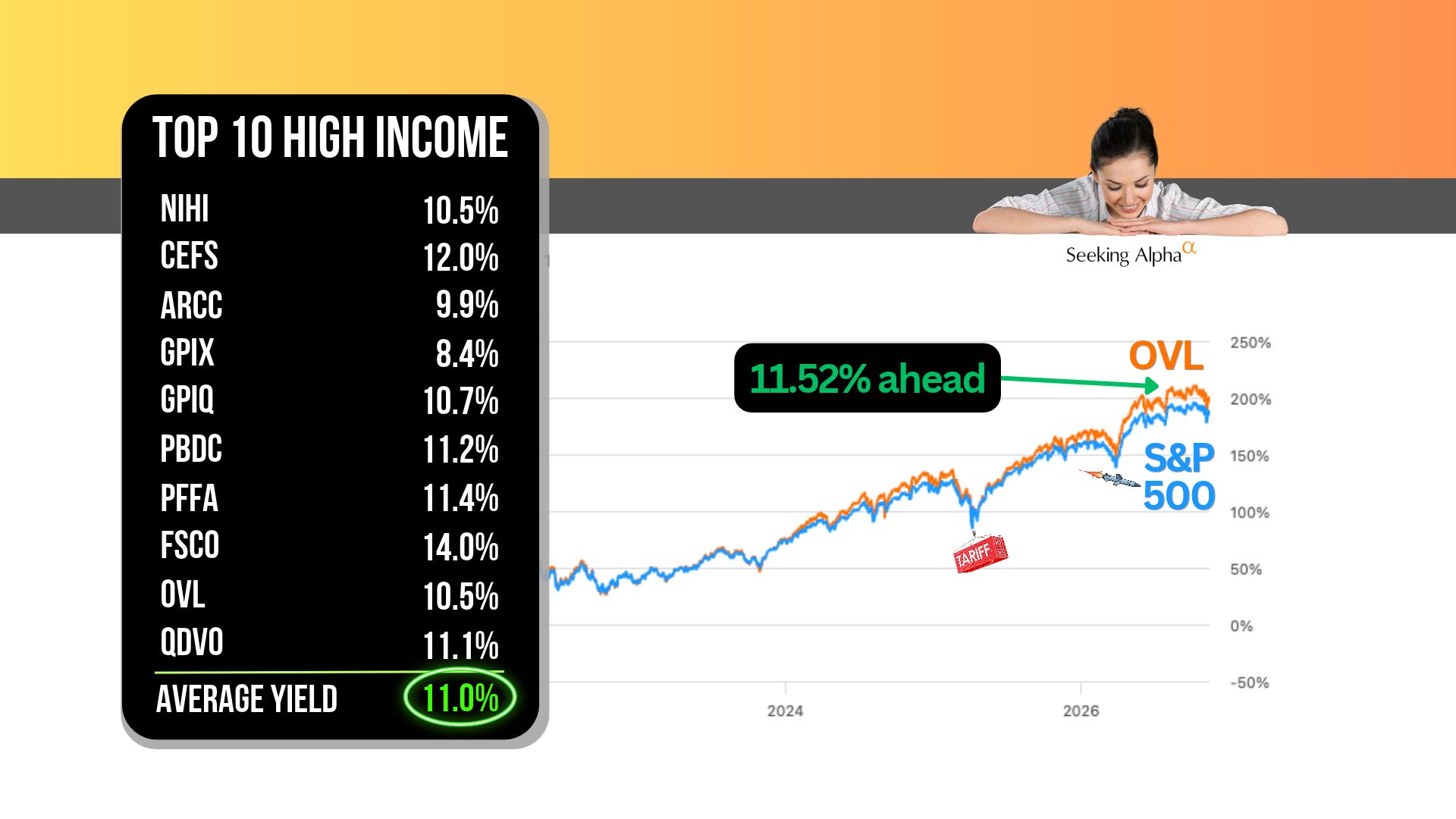
My top 10 income investments currently yield between 8% and 14%, but the lineup has changed since September.
My gold fund KGLD has dropped out, and OVL has moved in. Meanwhile, several existing holdings have experienced price corrections, distribution changes, or improving relative performance.
Here's what's changed and why I'm adding to OVL.
NIHI and CEFS: Diversification Beyond the S&P 500
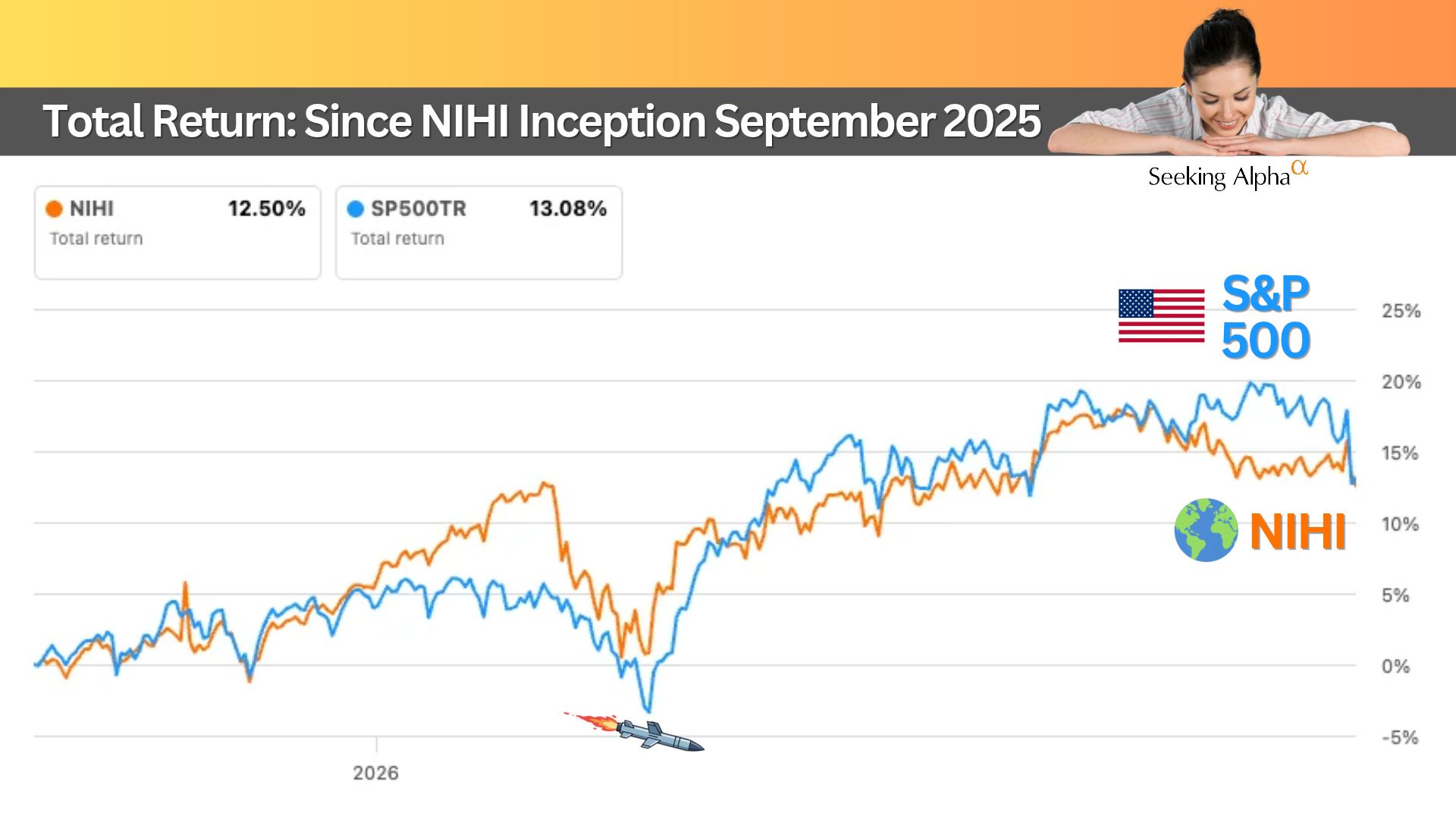
NIHI, my largest holding, yields approximately 10% and provides international equity exposure. Since its September 2025 launch, it has traded the total-return lead with the S&P 500 several times.
CEFS recently adopted a 12%-of-NAV annual distribution policy. That means more cash distributions but potentially less capital appreciation.
Its biggest attraction remains diversification across numerous closed-end funds, covering assets I couldn't realistically manage individually.
ARCC and PBDC: Credit Income
ARCC yields nearly 10% and remains one of my favorite BDCs. Its distribution history is consistent, including a 17% dividend increase during 2022.
Management's conservative approach has helped maintain payouts despite subsequent interest-rate cuts.
PBDC, yielding over 11%, provides diversified exposure to BDCs. Its price has weakened alongside the private-credit sector, although distributions have been comparatively resilient.
GPIX and GPIQ: Covered Call Income
GPIX yields just over 8% and tracks the S&P 500 through an actively managed covered call strategy.
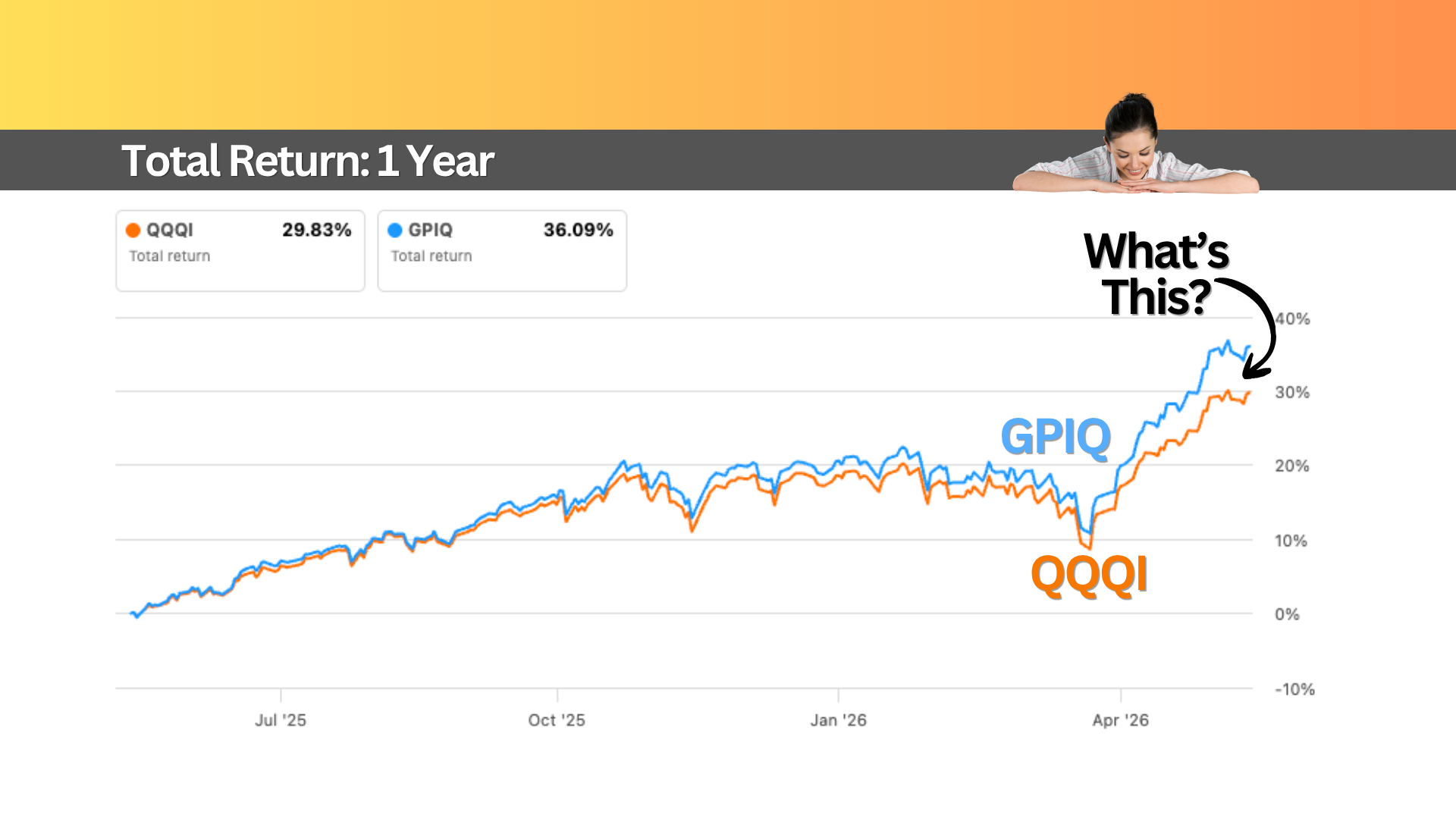
GPIQ applies a similar approach to the NASDAQ 100, generating a higher yield of approximately 11% because technology stocks tend to be more volatile.
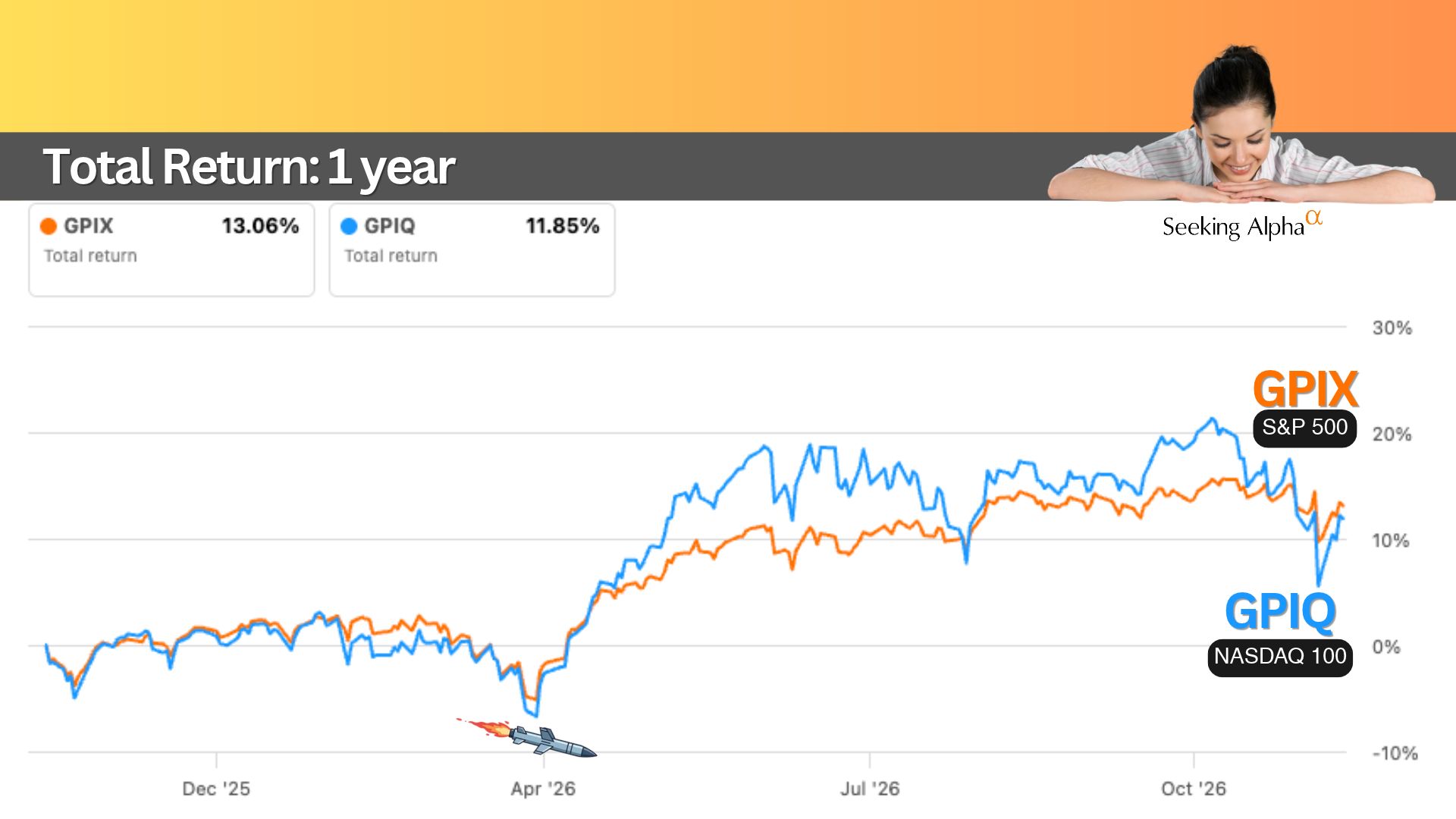
Both funds generate substantial option income, although performance depends on market conditions and the underlying indexes.
PFFA and FSCO: Income Despite Price Weakness
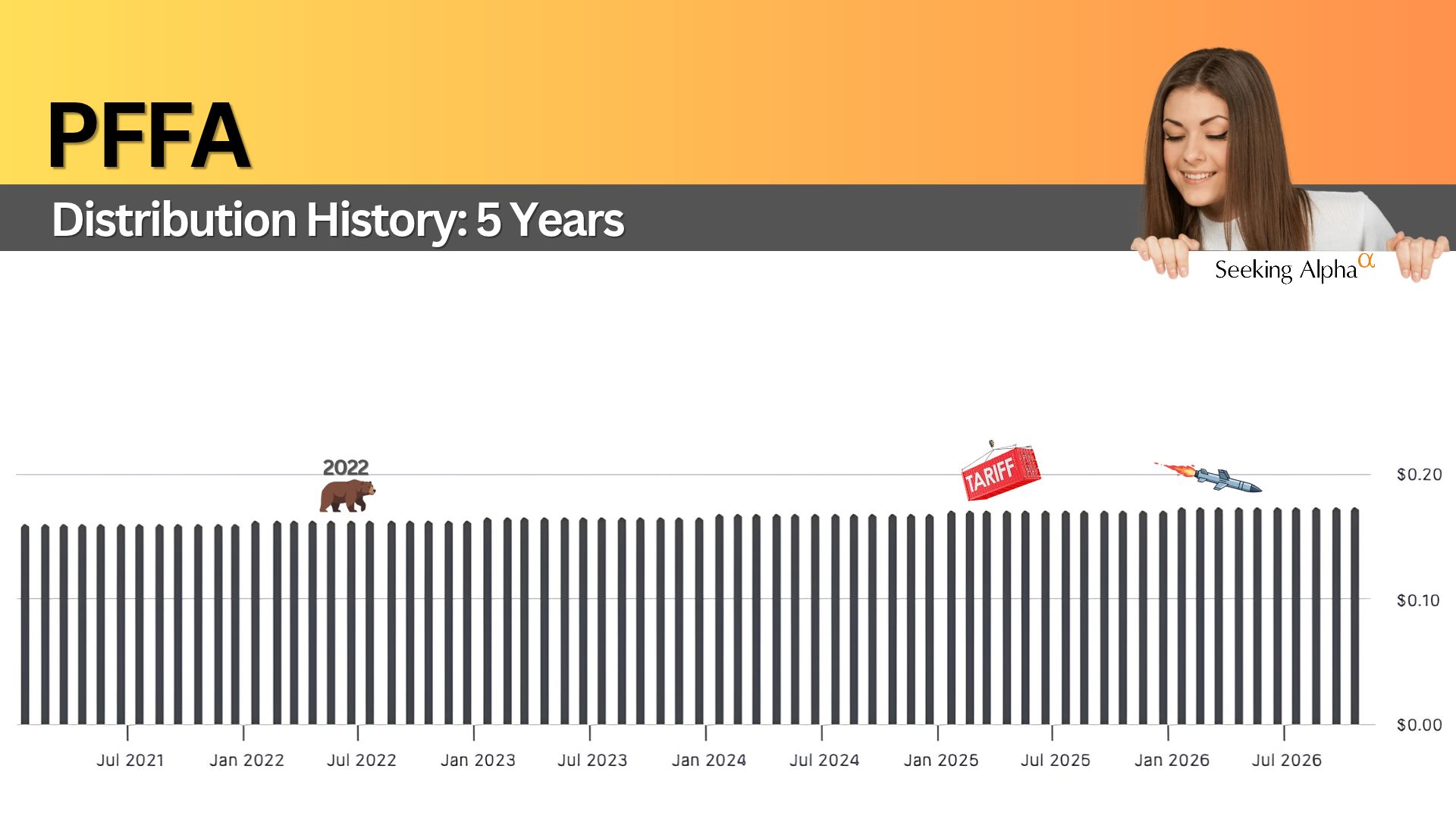
PFFA yields approximately 11% and holds nearly 200 preferred securities. Its price has declined recently, but distributions have remained remarkably consistent.
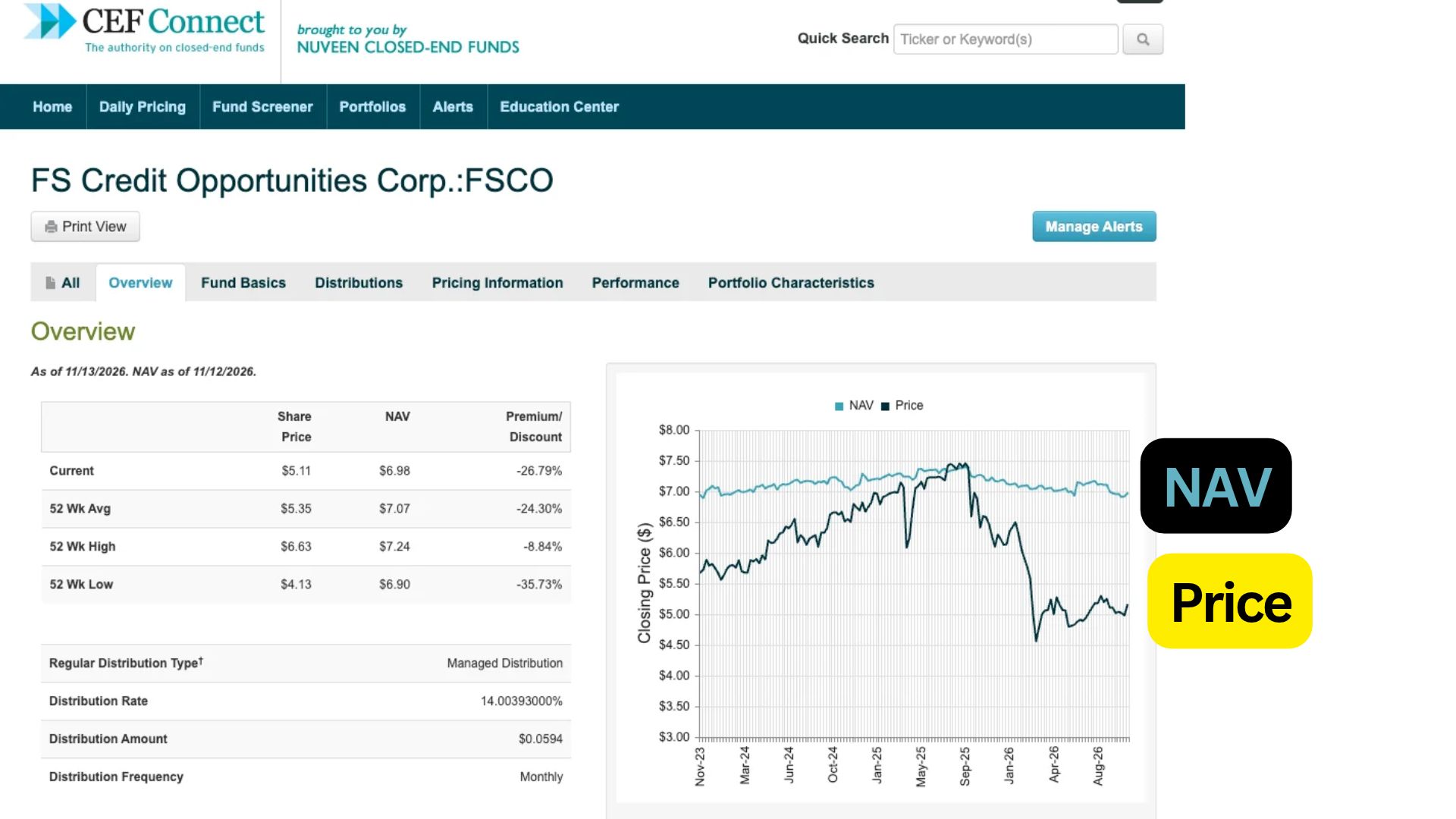
FSCO currently yields around 14%, partly because private-credit concerns have pushed its market price lower.
Interestingly, NAV has stayed relatively stable while the market price has fluctuated considerably.
OVL and QDVO: Two Different Technology and Equity Strategies
OVL is the newest addition to my top 10. Its put-spread strategy differs from traditional covered calls, allowing greater upside participation.
The fund has outperformed the S&P 500 since inception, although its strategy can also amplify losses during market downturns. Its new distribution policy targets 10.5% of NAV.
QDVO, yielding approximately 11%, maintains concentrated technology exposure. It overlaps with GPIQ, but offers the potential for stronger performance when selected technology stocks lead.
My Take
My top 10 holdings each represent roughly 4%–5% of my portfolio, with another 27 smaller positions providing additional diversification.
The overall portfolio currently yields approximately 11.2%.
I'm adding to OVL because its long-term total return and options strategy complement my existing covered call holdings.
The goal hasn't changed: reliable income from different sources, without depending on any single fund or market environment.
To learn more, click here for the full Review.
Want to see how these funds fit into a real-world retirement strategy? I share my full portfolio and monthly updates for free, here: Armchair Insider. If you want to learn from other Income Investors (I do!), check out the Armchair Insider Lounge.