

 Stock Analysis
 General
 Library
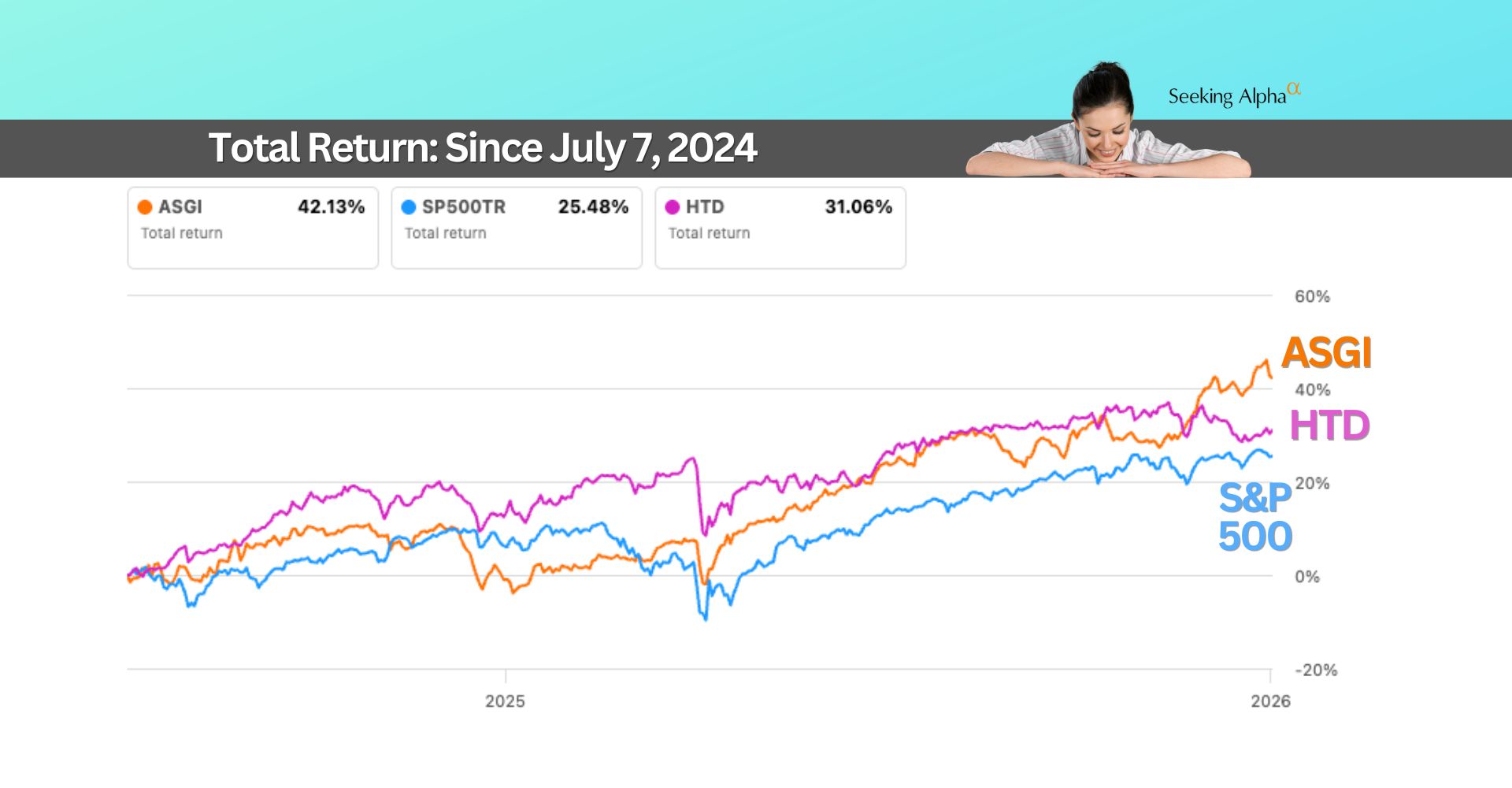
Back in July 2024, I reviewed two funds focused on utilities and infrastructure, expecting diversification and reliable income. What I didn’t expect was for them to surge past the tech-heavy S&P 500.
Today we’re getting caught up on abrdn Global Infrastructure Income Fund (ASGI) and John Hancock Tax-Advantaged Dividend Income Fund (HTD) — and whether they still deserve a spot in an income portfolio.
Distribution History
Eighteen months ago, utilities and infrastructure were out of favor. These are capital-intensive businesses that rely heavily on borrowing, and high interest rates made that expensive. With rates now falling, sentiment has improved.
ASGI currently yields between 10.9% and 11.3%, depending on how it’s calculated. The yield is lower than it was 18 months ago (around 13.5%) because the price has appreciated faster than the distributions.
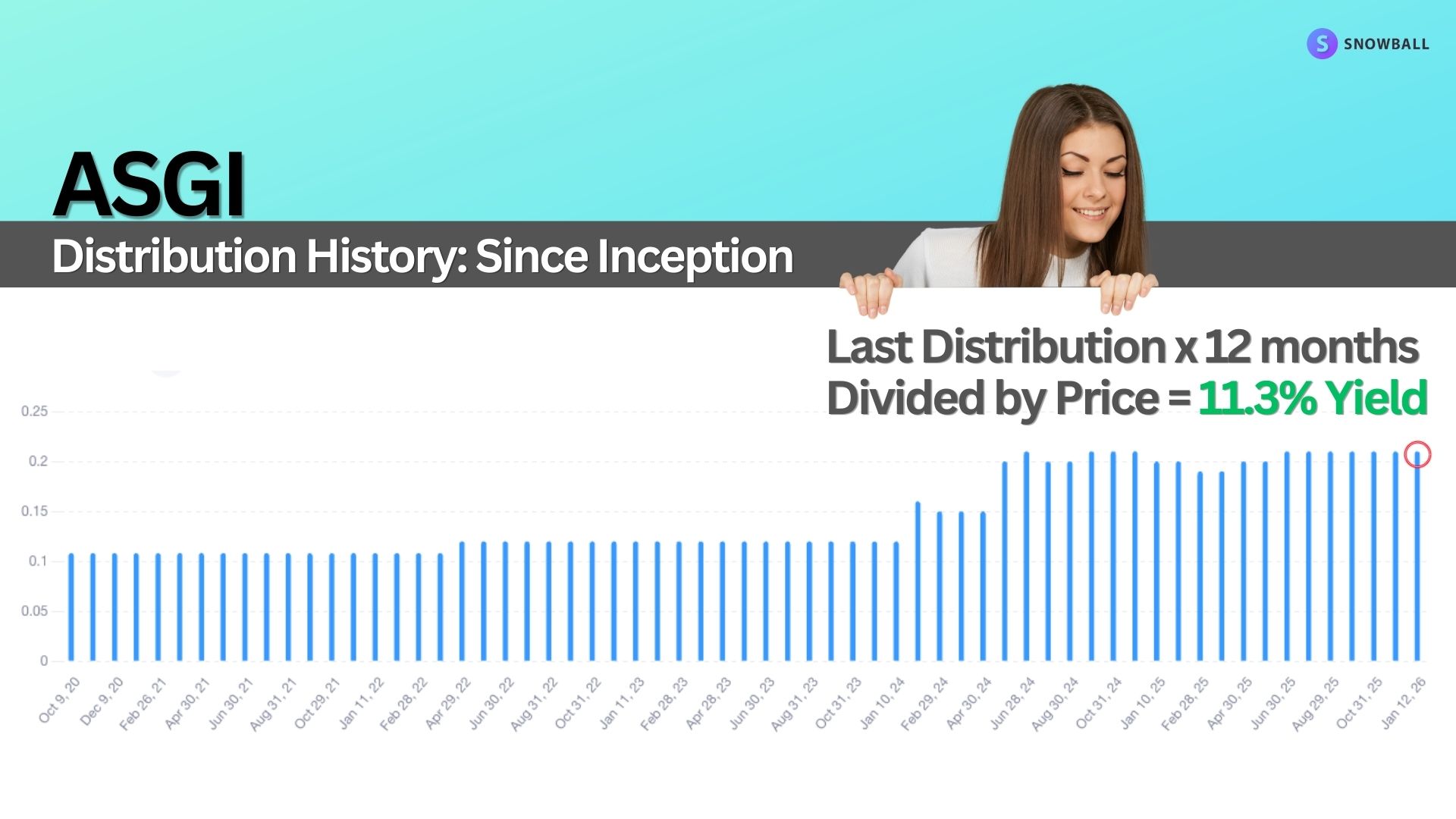
The key detail: ASGI distributes 12% of its NAV annually. When NAV dipped earlier this year, distributions dipped slightly too before moving back up. It’s an aggressive policy. It works well in rising markets, but in a prolonged downturn it could pressure NAV.
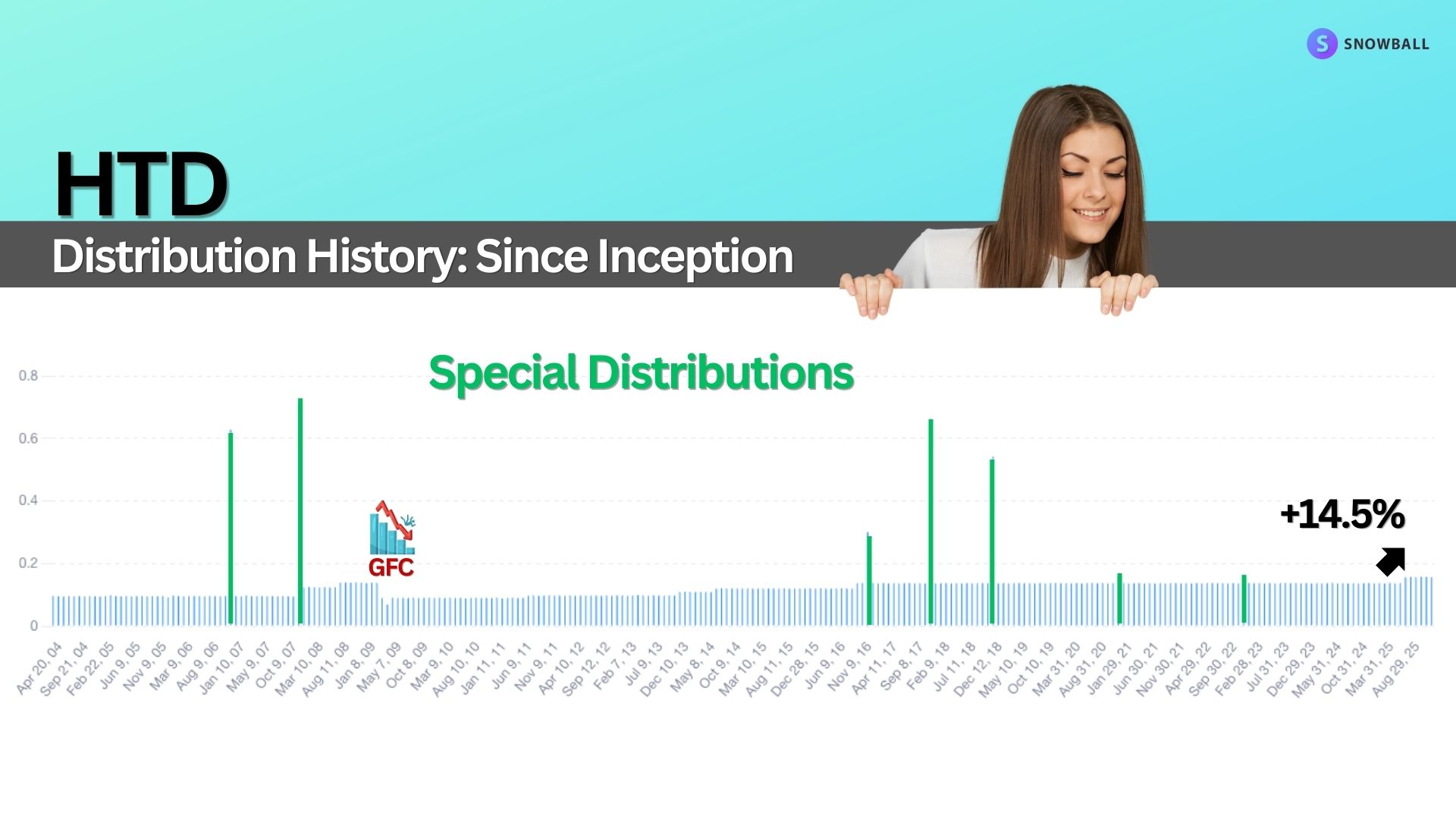
HTD’s history goes back to 2004. It was hit hard in 2008, but income since then has been relatively steady. Importantly, there were no cuts during 2020. In mid-2025, HTD raised its distribution by 14.5%. Today, it yields about 8%.
ASGI vs HTD: Structure, Strategy & Trade-Offs
ASGI focuses on global infrastructure such as railways, toll roads, and airports. A notable holding is Ferrovial SE. About 19% of the portfolio is private equity, requiring patience to monetize. Because many infrastructure companies yield modestly, ASGI relies partly on realized gains to support its double-digit payout, and may use return of capital in weaker markets.
Pros: global diversification, no leverage, rate-cut upside.
Cons: aggressive 12% of NAV distribution policy and a 1.65% expense ratio.
HTD leans more heavily into utilities, along with financials, preferred shares, and bonds, providing steadier income but less upside. It uses about 31% leverage, which boosts returns in strong markets but adds volatility. HTD often generates more qualified dividends, while ASGI has relied more on return of capital.
Competition & Valuation
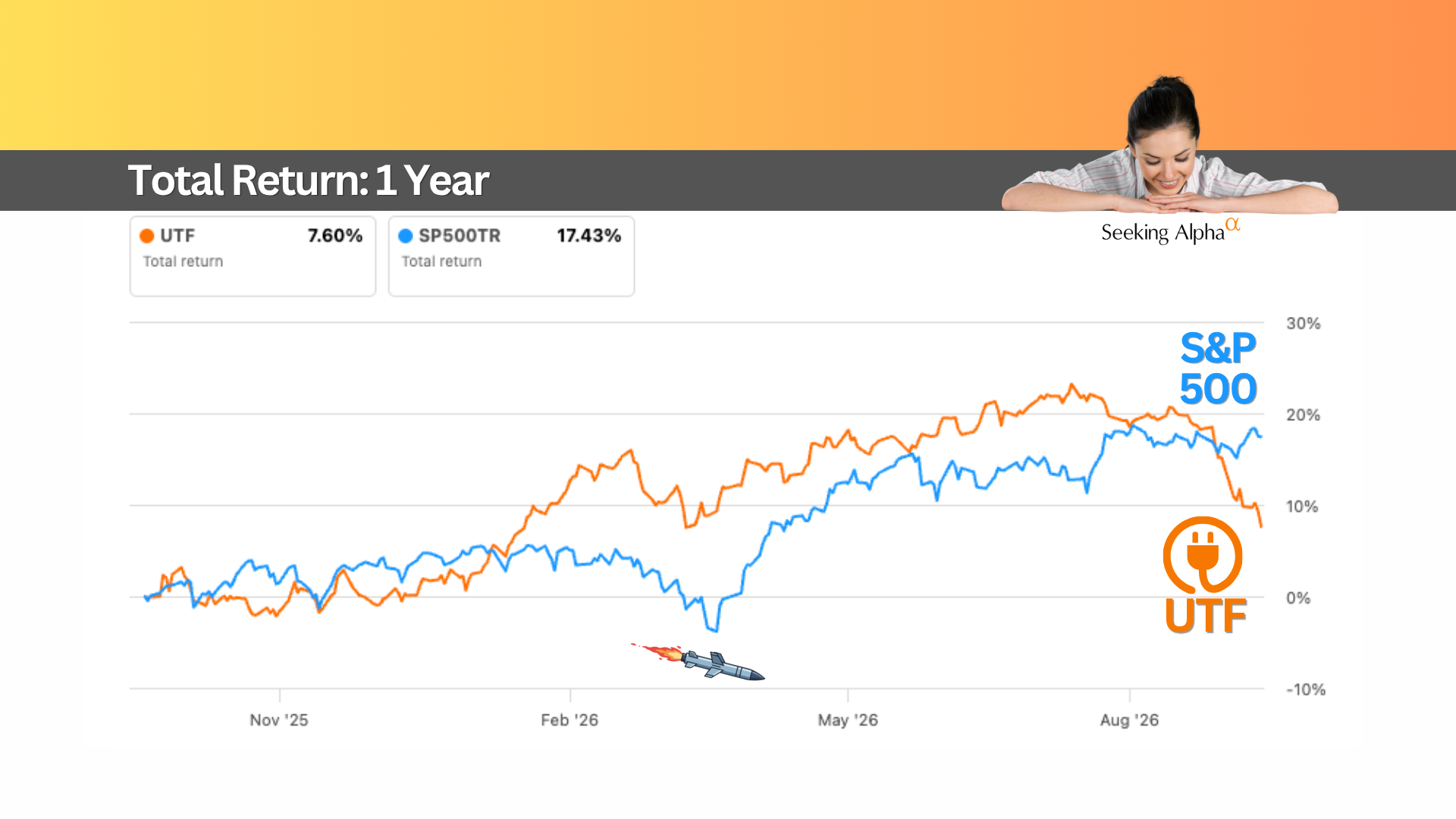
Since ASGI’s 2020 launch, HTD led for most of the period, though ASGI has taken the lead more recently. Other competitors like UTG and UTF remain relevant, especially when trading at attractive discounts to NAV.
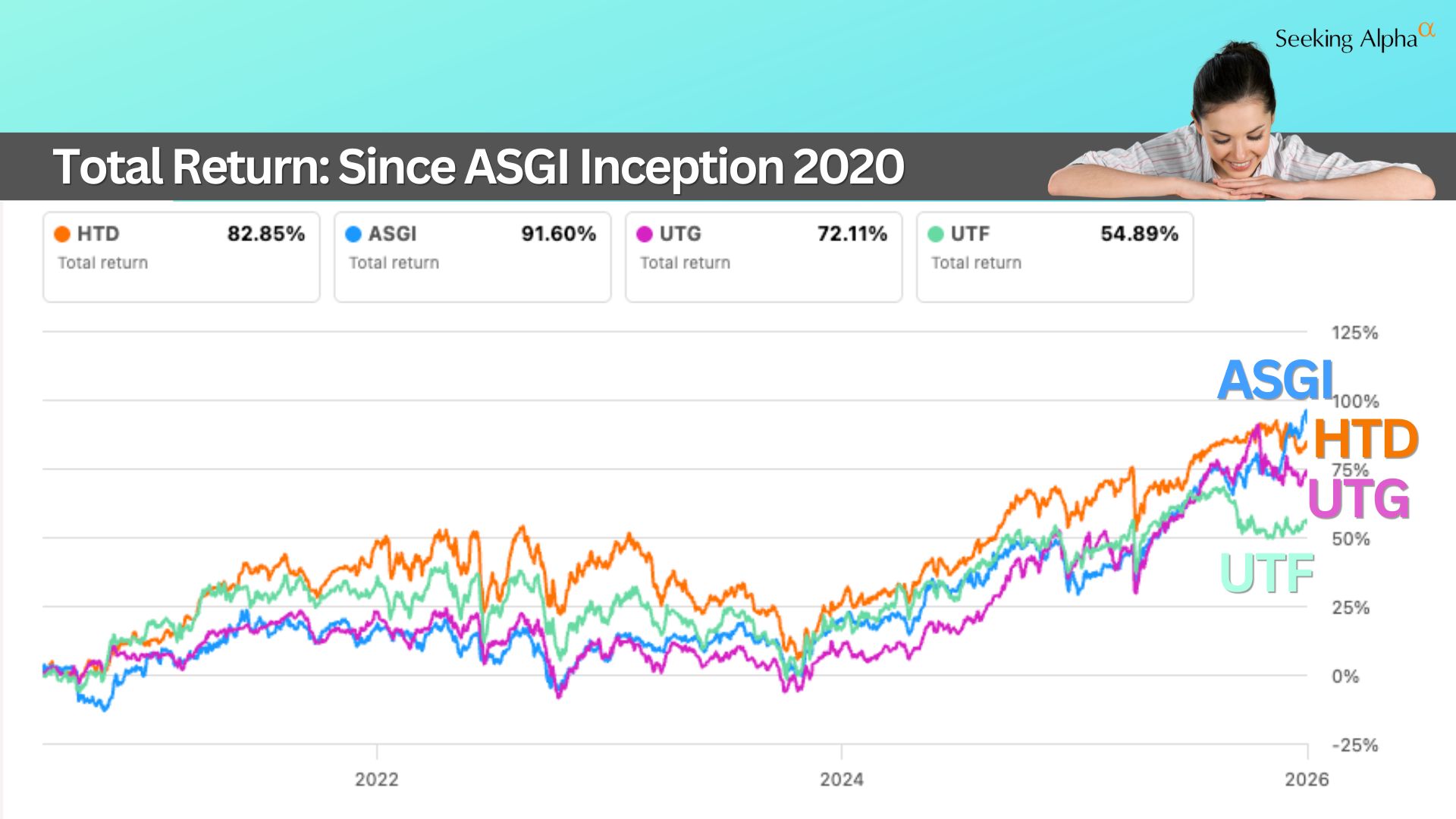
Closed-end funds don’t always trade in line with asset value, which can create opportunities. Currently, both ASGI and HTD trade at reasonable discounts.
My Take
These funds aren’t meant to consistently beat the S&P 500. They’re meant to diversify an income portfolio.
ASGI offers higher yield, global exposure, and no leverage. HTD offers a lower but potentially steadier yield, supported by leverage and preferred shares.
I continue to hold ASGI. I’m more selective with HTD — if the yield moves comfortably above 8%, I’d consider adding it back.
To see how ASGI and HTD compare on yield, leverage, taxes, and total return—and whether they still fit today’s rate environment — watch the full video here.
Want to see how these funds fit into a real-world retirement strategy? I share my full portfolio and monthly updates for free, here: Armchair Insider. If you want to learn from other Income Investors (I do!), check out the Armchair Insider Lounge.