

 Stock Analysis
 General
 Library

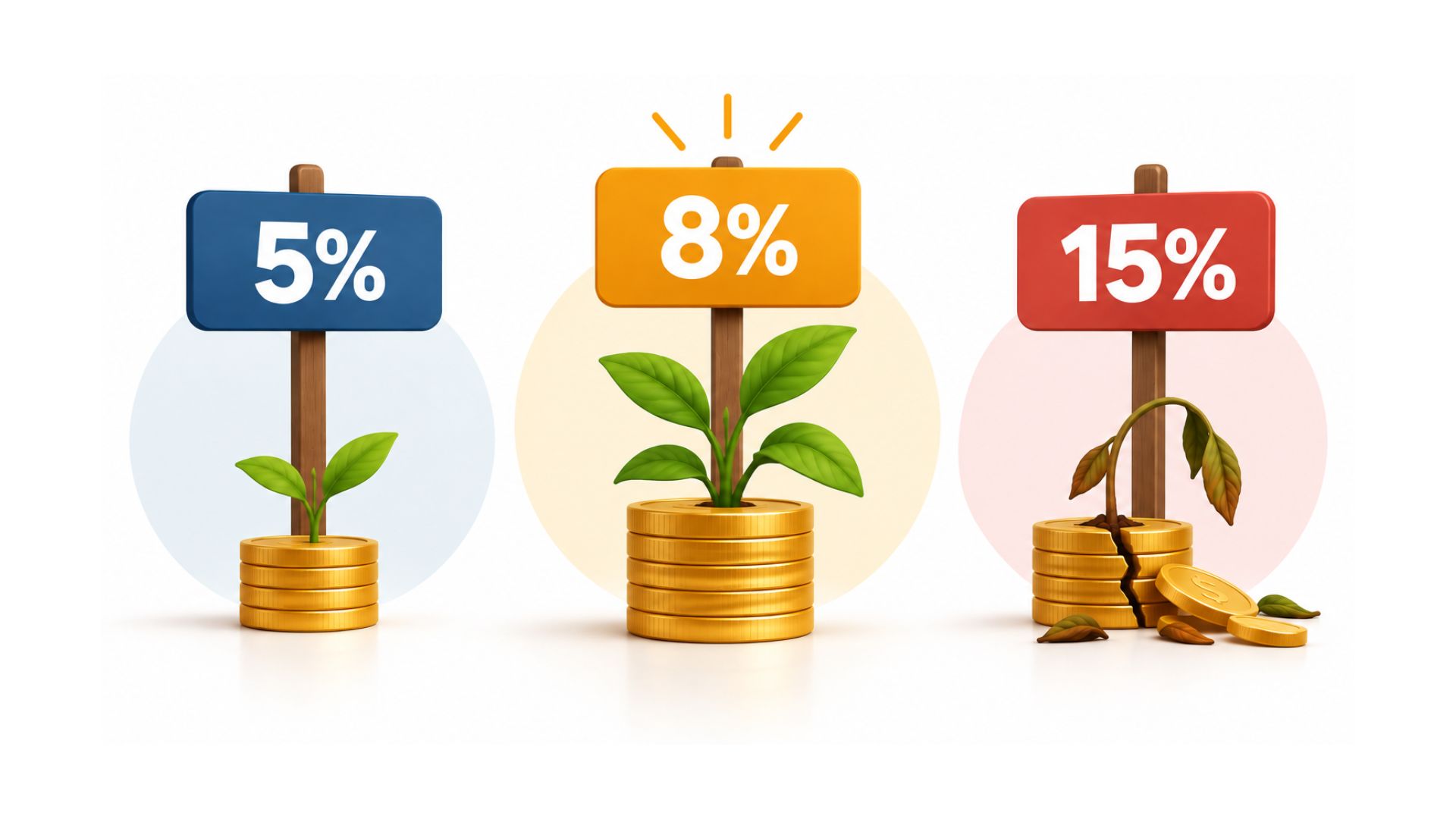
I retired in 2017 with a simple plan: pay my bills using investment income instead of selling shares.
Today, my portfolio yields approximately 11%. I spend about 8% and reinvest the remaining 3%. But why 8%? Why not settle for 5%, or push for 15%?
After nearly a decade of income investing, I've found that 8% strikes a reasonable balance between retirement spending and long-term sustainability.
Why 8% Works for Me
A 5% spending target would require considerably more retirement savings, delaying my retirement. On the other hand, targeting 15% would mean accepting risks I'm not comfortable taking.
My approach is to build a portfolio yielding 10%–12%, spend less than it produces, and reinvest the difference.
The important distinction is that a high distribution yield doesn't guarantee a sustainable investment. I still monitor total return, valuations, and whether distributions are supported over time.
ARCC: A 20-Year Income Example
Ares Capital (ARCC) currently yields just over 10%. Despite experiencing the 2008 financial crisis, it has reduced its regular dividend only once.
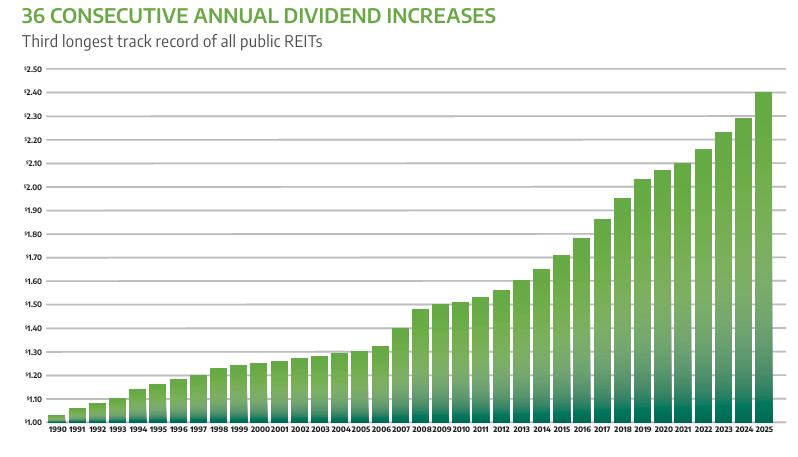
Its yield-on-cost history is particularly interesting. For most purchase dates over the past two decades, today's annual distributions comfortably exceed 8% of the original investment.
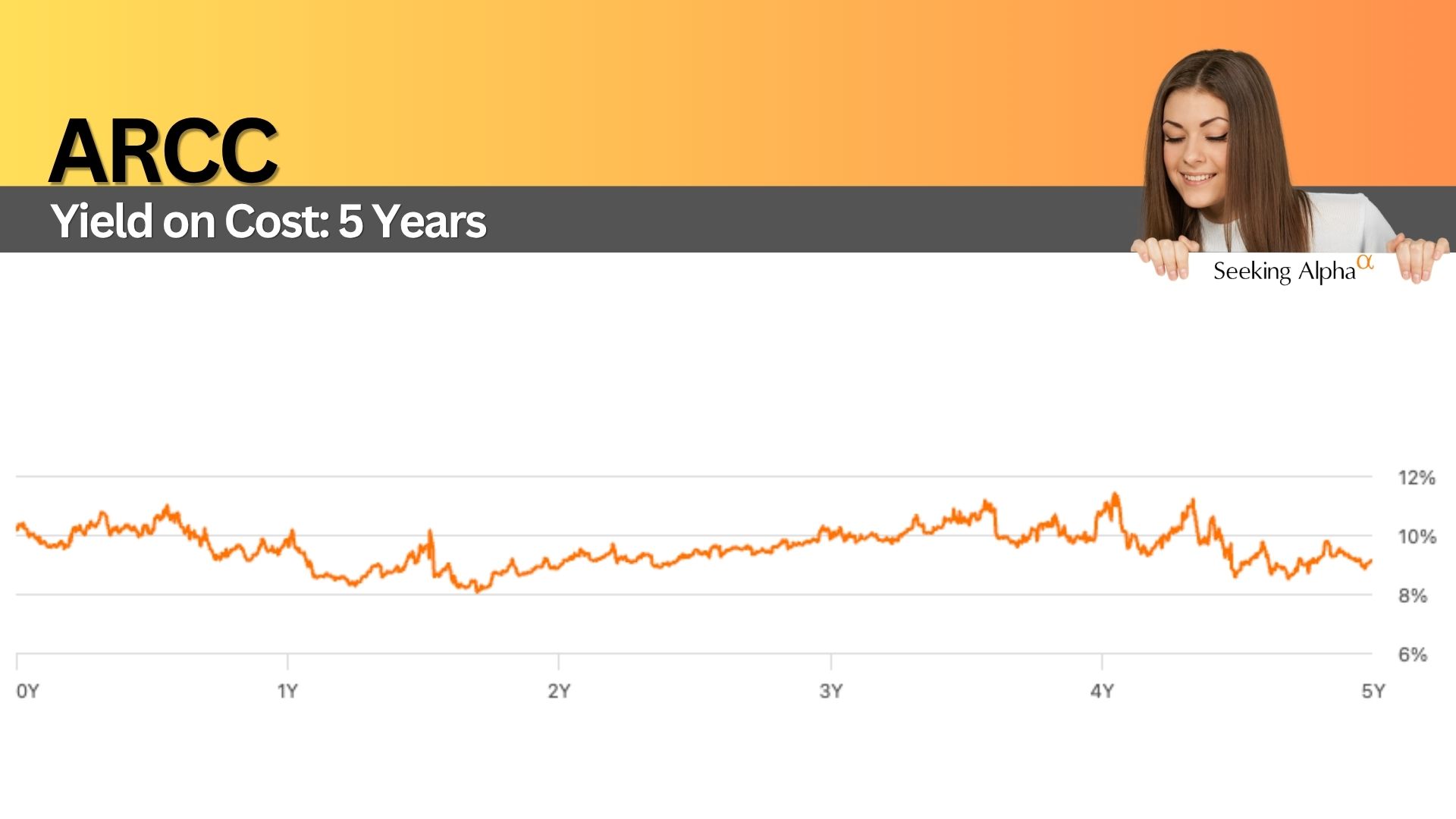
But valuation matters. Investors buying ARCC when it traded around 1.2 times NAV received less income relative to their purchase price than investors who bought at cheaper valuations.
UTF: Purchase Price Makes a Difference
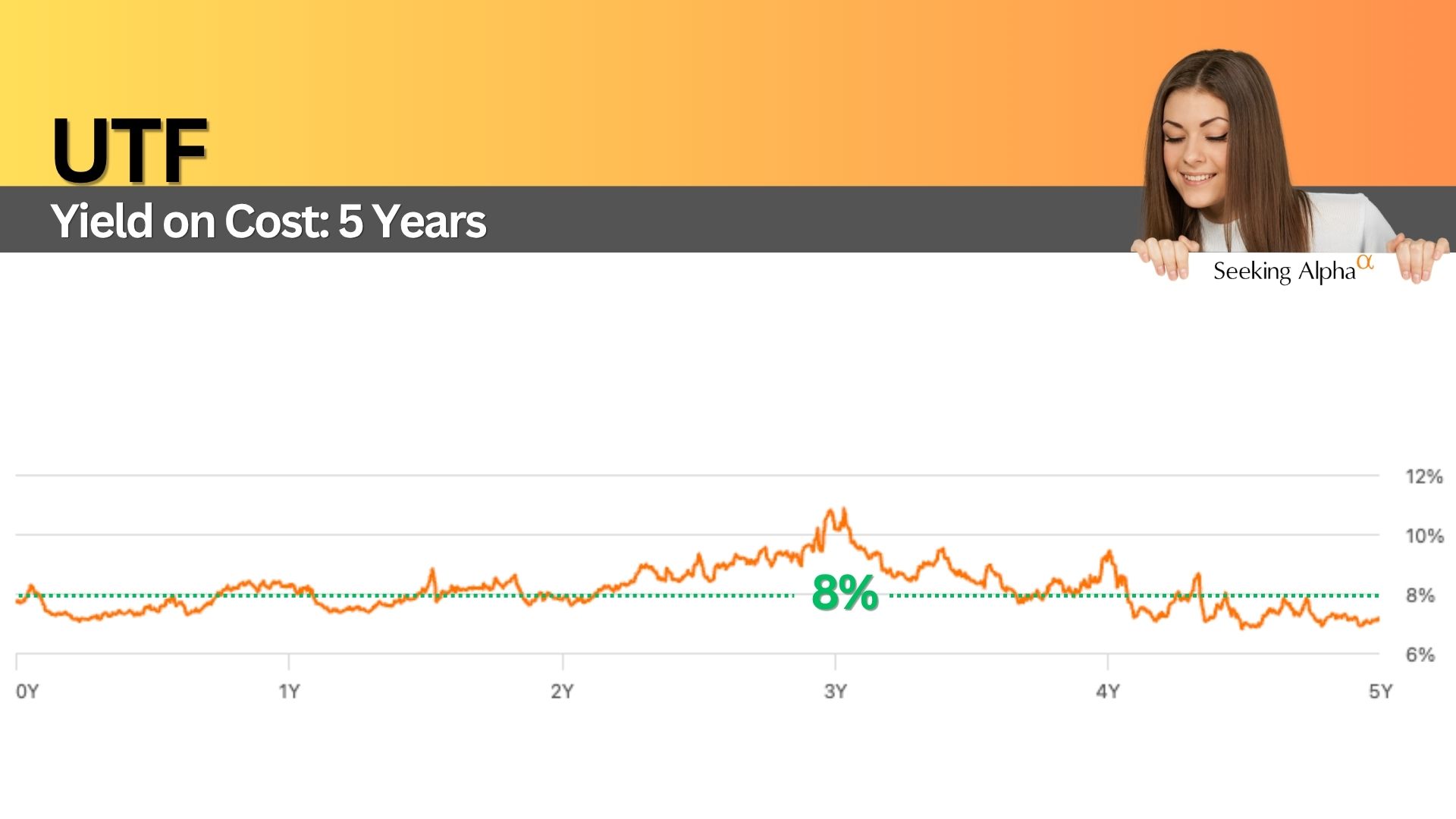
The Cohen & Steers Infrastructure Fund (UTF) currently yields slightly below 8%, but my personal yield on cost is approximately 8.1%.
Its history shows that buying at a discount can substantially improve long-term income. Investors purchasing during cheaper periods received more income per dollar invested.
Preferred Shares: Predictable Income
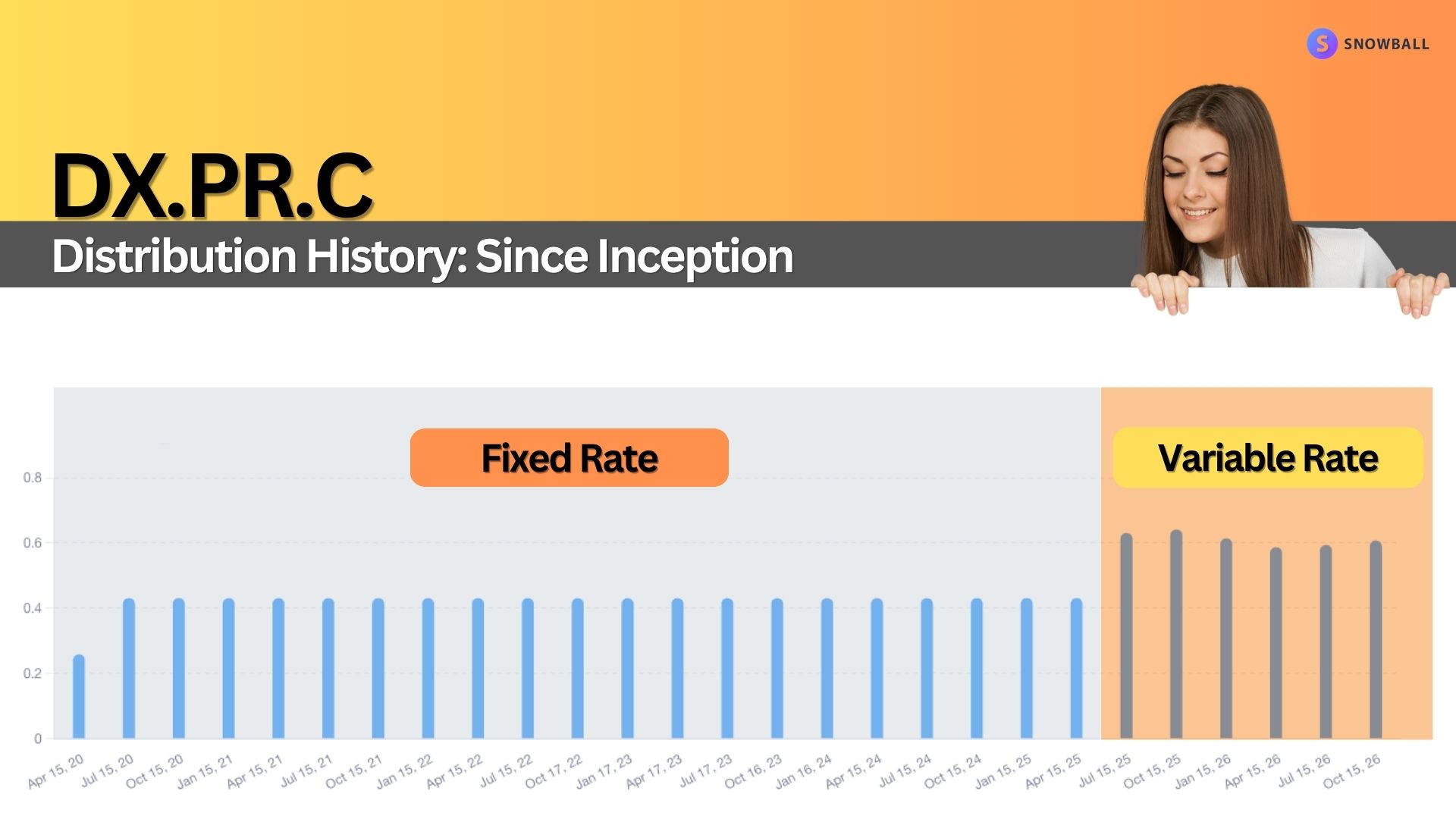
I recently added Dynex Capital's Series C preferred shares (DX.PR.C), yielding approximately 9.5%.
Unlike common stocks, this preferred uses a floating-rate distribution formula tied to SOFR plus 5.7%. Interest-rate cuts could reduce income, but the formula makes those changes relatively predictable.
Covered Calls and Diversification
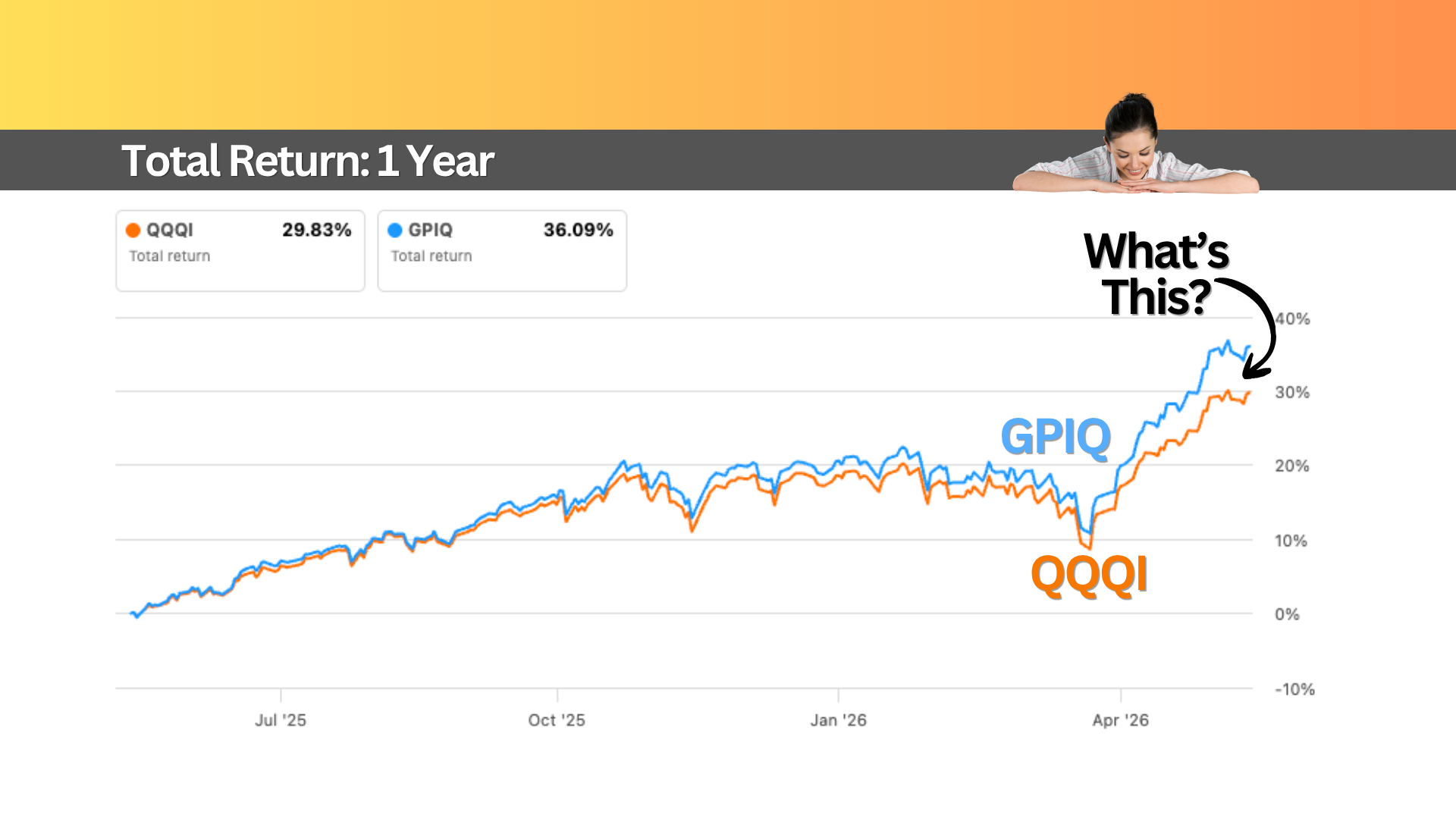
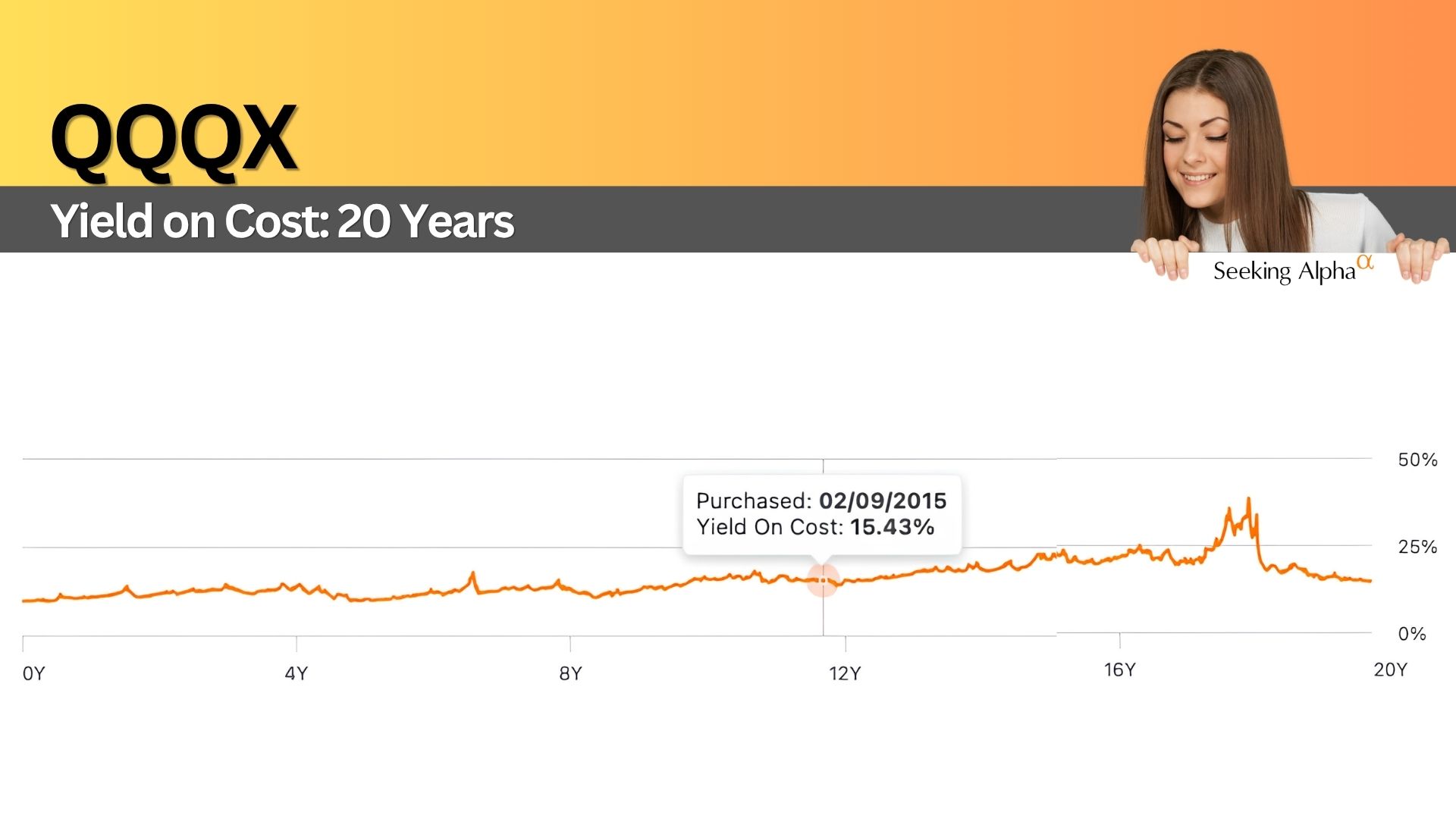
Covered call funds offer another income source. Although I prefer newer funds such as GPIQ, QQQX provides a longer record dating back to 2007.
Its history shows that investors who bought at different points have generally maintained attractive yields on their original cost.
My Take
The secret isn't finding one magical investment paying 11%. It's combining different income sources, buying at reasonable valuations, and spending less than the portfolio generates.
Some holdings will yield below 8%, while others will exceed 12%. That flexibility allows me to diversify without chasing the highest payouts.
Eight percent remains my retirement spending target, not a guaranteed minimum. Reinvesting the remaining income helps provide a cushion against distribution cuts and inflation.
That's how I intend to keep the income flowing.
To learn more, click here for the full Review.
Want to see how these funds fit into a real-world retirement strategy? I share my full portfolio and monthly updates for free, here: Armchair Insider. If you want to learn from other Income Investors (I do!), check out the Armchair Insider Lounge.