

 Stock Analysis
 General
 Library
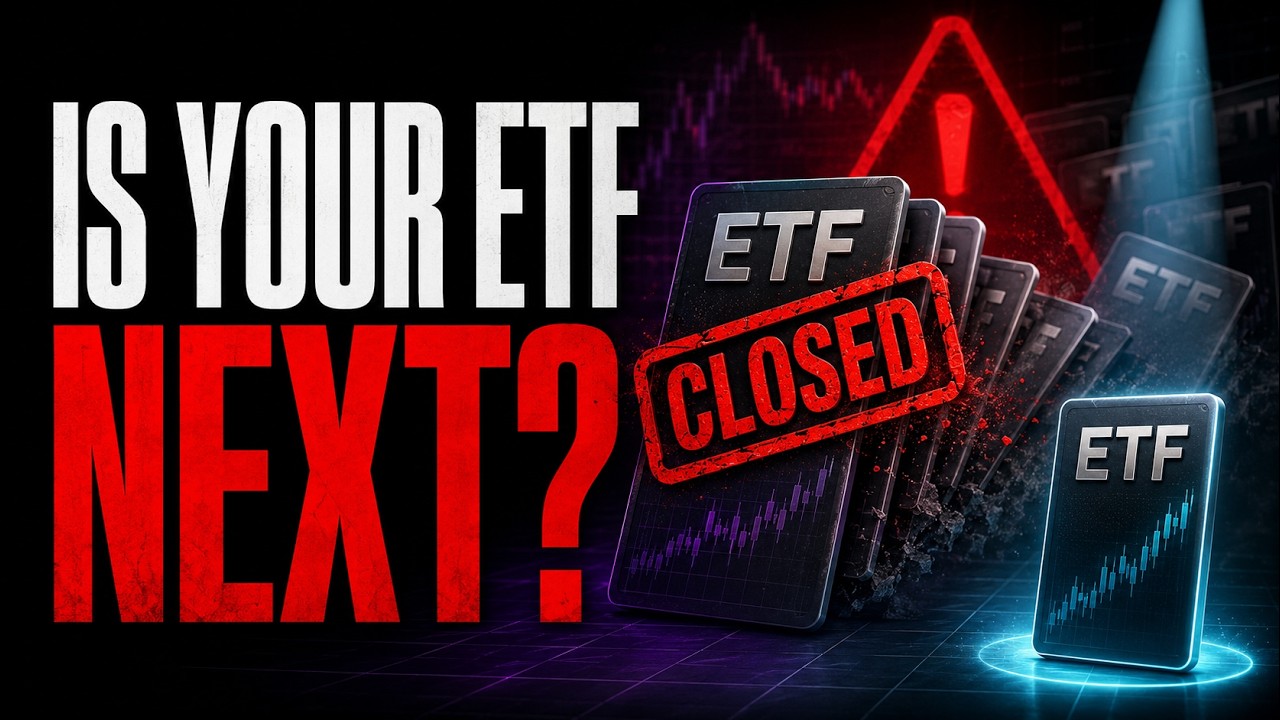
19 high-income ETFs are already gone.
Six more are scheduled to stop trading before the end of July.
One of these funds survived for just 110 days.
But here is what I found most interesting:
Most of these ETFs did not close because their underlying investments went to zero.
They closed because the funds themselves never attracted enough assets to remain viable businesses.
That creates a strange reality.
An ETF can advertise a huge distribution, continue making payments, and still be an unsuccessful product for its issuer.
After researching the recent closures, I now watch four additional warning signs before buying a small or newly launched income ETF:
Low assets under management.
No meaningful asset growth.
No clear advantage over an established competitor.
An issuer launching so many products that the fund may be just another experiment.
There is no magic AUM threshold, and being small does not guarantee that a fund will close.
But if a fund fails all four tests, the headline yield is no longer the first number I care about.
I broke down the full 2026 closure wave, what happens to investors’ money, the most interesting examples, and why six Bitwise funds are next.
For the full analysis: [Full Video].